

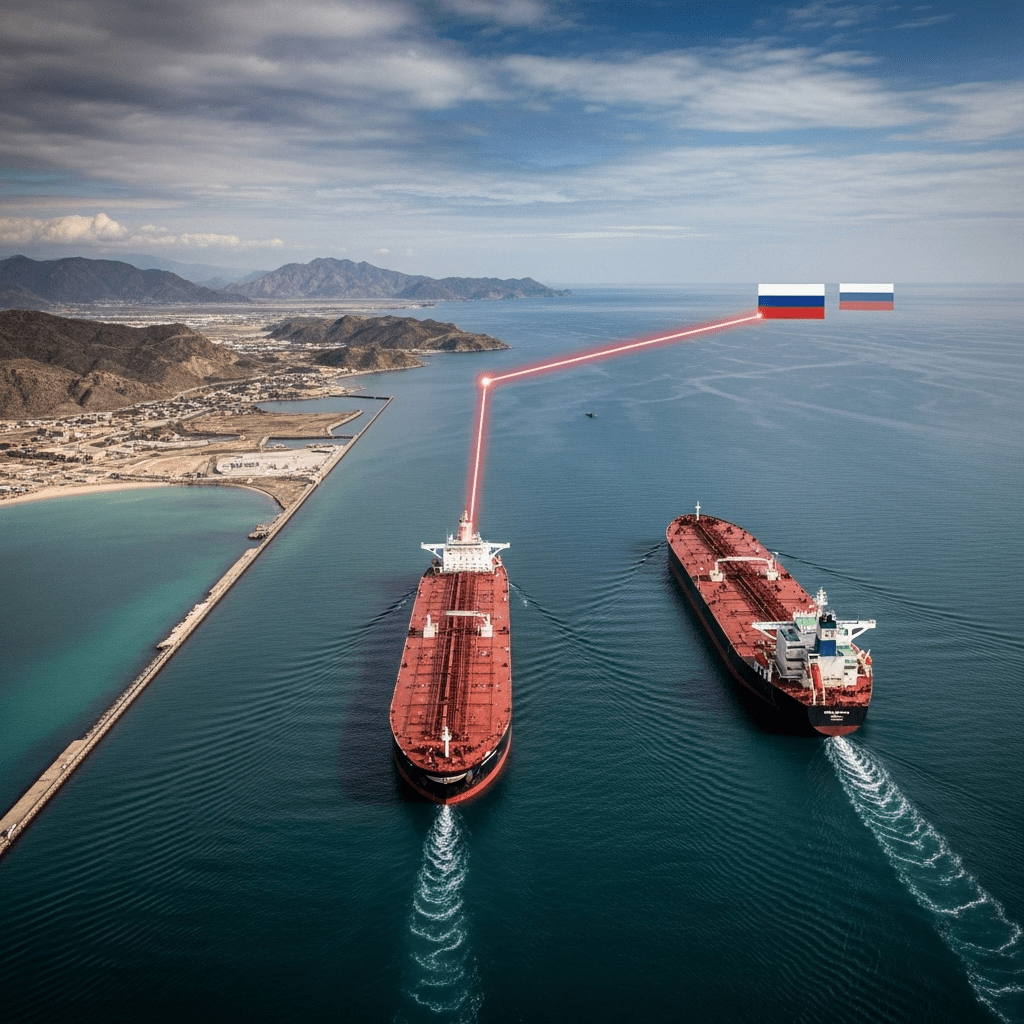
In a development closely watched by global investors, Iran confirms receiving Israel’s message via Russia, an event that has serious implications for the energy sector and geopolitical stability heading into 2025. As Tehran rebuffs fresh negotiations with the US and Europe, energy markets are on high alert for ripple effects that could influence oil prices and regional investment dynamics.
Iran Confirms Receiving Israel’s Message via Russia: Geopolitical Tensions and Energy Impacts
The announcement that Iran confirms receiving Israel’s message via Russia follows increased diplomatic maneuverings amid heightened Middle Eastern tensions. This indirect channel of communication signals an evolving landscape in the ongoing standoff between Tehran and Jerusalem, particularly after recent military escalations in 2024. For energy investors, this news not only spotlights the region’s fragility but also serves as a reminder of how quickly geopolitical developments can impact crude oil futures and energy supply chains.
While the content of Israel’s message remains undisclosed, Iranian officials emphasized their position against holding new talks with the United States or European powers. This refusal signals sustained diplomatic deadlock, increasing the risk premium in the region’s oil trade. As Iran’s role in OPEC and its proximity to major shipping lanes—including the Strait of Hormuz—continue to underpin its energy significance, the messaging via Russia may presage further uncertainty in the global energy landscape.
The Broader Context: Energy Markets’ Sensitivity to Middle East Diplomacy
The importance of Iran confirming receiving Israel’s message via Russia is not lost on energy analysts and investors. Historically, disruptions in the Persian Gulf or uncertainty over Iranian oil exports have led to price volatility. With Iran dismissing new engagement with Western actors, sanctions and market isolation could persist, potentially keeping over 1 million barrels per day off the international market. This tight supply situation is especially relevant for 2025, as global oil demand is forecast to remain robust despite mounting recession fears in key economies.
Furthermore, Russia’s role as a diplomatic intermediary highlights its continued influence within OPEC+ and Eurasian energy corridors. Energy stakeholders are now assessing how Moscow’s involvement might impact future negotiations, either dampening escalation or complicating diplomatic resolutions. Those interested in deep-dive investment insights on the topic should monitor shifts in diplomatic alignments closely.
Energy Supply, Risk Premiums, and Regional Investment Sentiment
Iran confirms receiving Israel’s message via Russia at a time when the energy sector is grappling with market imbalances, supply chain uncertainties, and political risk premiums. In the wake of fresh tensions, financial institutions are reassessing their exposure to Middle Eastern energy assets. Traditionally, flare-ups between Iran and Israel have spurred short-term price rallies, as traders price in potential disruptions to crude flows through the Strait of Hormuz—a passage accounting for approximately 20% of the world’s oil supply.
Tehran’s hardline stance increases the likelihood of protracted standoffs, complicating the outlook for energy investors. Oil majors, refiners, and institutional investors are therefore recalibrating their strategies, seeking hedges against potential geopolitical shocks. Those managing diverse portfolios can consult specialized market analysis tools to track evolving risk profiles across the energy value chain.
Long-Term Energy Investment Considerations
The energy sector’s response to the latest developments centers on the intersection of political risk and market fundamentals. As Iran dismisses new dialogue with the US and Europe, barriers to foreign investment and technology transfer are likely to remain. This dynamic could impede the recovery of Iranian energy infrastructure and delay any potential ramp-up in production should sanctions ever loosen—a scenario with broad consequences for global supply-demand balances heading into 2025 and beyond.
Meanwhile, investors keeping an eye on alternative energy transitions will note that persistent Middle East volatility reinforces the urgency for portfolio diversification. For those strategizing in uncertain times, access to timely global financial research is indispensable.
Conclusion: Navigating Energy Markets in a Volatile Geopolitical Era
The confirmation that Iran received Israel’s message via Russia, coupled with Iran’s rejection of new talks with Western powers, reaffirms the region’s centrality to global energy stability. Market participants are now bracing for another chapter of heightened uncertainty, with direct implications for crude prices, energy equities, and regional investment strategies. As diplomatic channels adapt and alignments shift, maintaining vigilant oversight over Middle Eastern geopolitics will remain a priority for energy investors well into 2025.




