

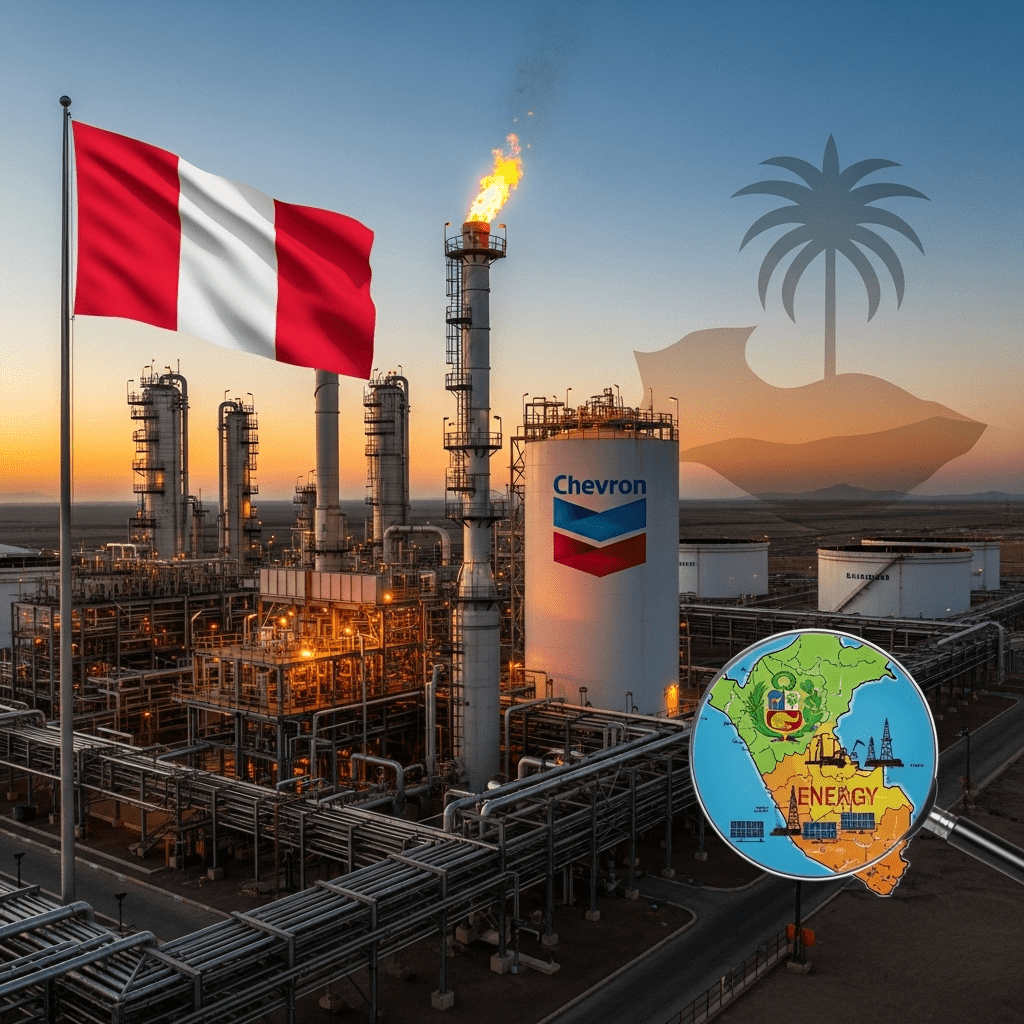
As energy markets shift and South America seeks new growth avenues, Peru bets on Chevron and Riyadh to jumpstart its energy future—a bold strategy to attract investment, increase production, and diversify energy partnerships in 2025. With global energy demands rising and a regional appetite for modernization, the Peruvian government sees Chevron and Riyadh, represented by Saudi energy interests, as key players to transform its energy sector.
Why Peru Bets on Chevron and Riyadh to Jumpstart Its Energy Future
Historically, Peru’s energy landscape has been dominated by domestic and regional players, yet the country faces challenges such as aging infrastructure, fluctuating commodity prices, and the need to secure reliable, sustainable energy sources. By forging alliances with U.S.-based Chevron and strategic partners from Riyadh, Peru aims to inject world-class expertise, technology, and robust funding into its sector. These partnerships are not simply about capital—they also bring in advanced operational practices, environmental standards, and global market access.
The Chevron Advantage: Technology and Expertise
Chevron’s entry into Peru signals a turning point. With a presence across the Americas, Chevron is renowned for cutting-edge technology in exploration, drilling, and environmental management. For the Peruvian government, such expertise means more efficient extraction, minimized ecological impact, and improved domestic energy reliability. Chevron’s track record on project finance and sustainability standards provides a blueprint for Peru to modernize outdated oil and gas fields, raise overall production, and potentially transition to cleaner energy in the future.
Riyadh’s Strategic Role in Peru’s Energy Plans
Riyadh, representing Saudi Arabian energy interests, brings strategic capital and a vision for long-term collaboration. Saudi investors are increasingly looking abroad to diversify their holdings and extend value chains beyond hydrocarbons. By investing in Peru, Riyadh not only supports the Latin American nation’s growth but also gains a foothold in a high-potential region. These cross-continental ties may help Peru become a key supplier to rapidly developing Asian markets, leveraging both capital and logistical expertise from Riyadh.
Investment, Infrastructure, and Regulatory Developments
As Peru bets on Chevron and Riyadh to jumpstart its energy future, local authorities have started revising regulatory frameworks to streamline foreign investment. These reforms focus on tax incentives, expedited permitting, and public-private cooperation to reduce bureaucratic delays. Additionally, Peru is prioritizing infrastructure upgrades—improving pipelines, ports, and refineries—to support higher output and export capacity. Analysts suggest that these developments will attract further institutional capital interested in emerging market opportunities.
Balancing Growth and Environmental Concerns
With foreign energy investment comes the challenge of balancing rapid growth and sustainability. Chevron is set to introduce advanced monitoring in Peruvian sites to limit emissions and safeguard biodiversity. Riyadh-backed initiatives are also rumored to include pilot renewable projects that complement oil and gas, boosting Peru’s green credentials and aligning with global ESG trends. By integrating best practices from both partners, Peru can position itself as a regional leader in sustainable energy growth.
Risks, Rewards, and Global Implications
While Peru bets on Chevron and Riyadh to jumpstart its energy future, there are risks. Political shifts, social opposition, or global price volatility could impede project rollout or profitability. Yet, the potential rewards—greater energy independence, employment, and economic resilience—are significant. Moreover, successful collaboration could serve as a case study for other Latin American nations seeking diversified partnerships and modernized energy sectors.
The Outlook for Investors
For global investors, Peru’s energy sector is becoming increasingly attractive. Strategic alliances with Chevron and Riyadh promise not just growth but also improved governance, transparency, and integration into global supply chains. As new projects launch and regulatory reforms deepen, financial professionals should monitor Peru’s evolving landscape for signals that could affect regional risk assessment and global energy valuations.
In conclusion, as Peru bets on Chevron and Riyadh to jumpstart its energy future, it sends a clear message to the global market: the country is open for business, innovation, and sustainable energy solutions in 2025 and beyond.




