

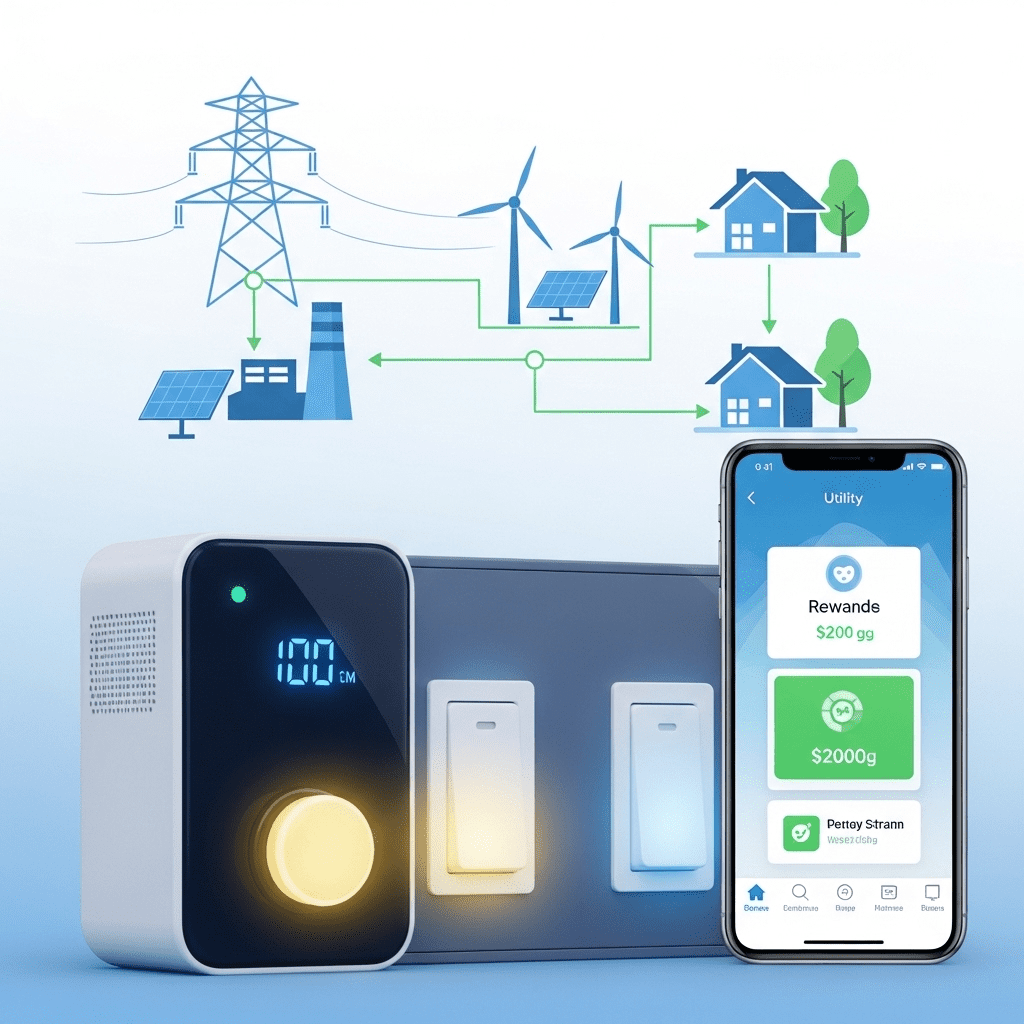
The introduction of a reward scheme for using less power at peak times is gaining momentum across the United States, with experts and policymakers touting it as a game-changing initiative to help lower US bills while promoting grid reliability and energy sustainability. As utility companies face growing demand and the nation accelerates its clean energy transition, such demand response programs stand to benefit both consumers and the broader market.
How a Reward Scheme for Using Less Power at Peak Times Works
The premise behind a reward scheme for using less power at peak times is simple: when the electricity grid is under the most strain—typically during late afternoons or summer heatwaves—customers are financially incentivized to shift or reduce their power usage. Utilities may offer rebates, bill credits, or direct payments to participating households or businesses that lower their consumption during these peak periods.
Programs such as these fall under the larger umbrella of “demand response,” a strategy that utilities and grid operators have employed for years but are now optimizing through smart meters, AI-powered apps, and real-time data tracking. The model has proven effective in multiple pilot studies across states like California, Texas, and New York, helping reduce blackout risks, curb emissions, and put money back in consumers’ pockets.
Peak-Time Power Reduction: Financial and Environmental Benefits
From a financial perspective, these reward schemes can provide meaningful bill savings—up to 10-20% annually for engaged participants, according to the U.S. Department of Energy. By reducing demand during critical windows, utilities avoid relying on expensive, carbon-intensive “peaker” plants and can pass along a portion of these savings to customers. For example, utilities like PG&E and Con Edison allow households to enroll in programs where they receive alerts and rewards for curbing usage during designated hours.
Environmental benefits are equally compelling. By incentivizing demand reduction, utilities can integrate more renewable energy and minimize reliance on fossil fuels. This directly supports national clean energy targets and cuts greenhouse gas emissions, a crucial step as the grid adapts to increased electrification and extreme weather events.
Why Reward Scheme for Using Less Power at Peak Times is Attracting Investment
Investor interest in companies facilitating these demand response efforts has surged—energy tech firms providing the software and infrastructure for these schemes are seeing robust growth, making the sector attractive for those seeking energy sector opportunities. With more utilities rolling out time-of-use rates and smart grid upgrades, analysts at Wood Mackenzie estimate the US demand response market could exceed $2B in annual value by 2026.
Federal and state policymakers are also incentivizing innovation, offering grants and regulatory support for scalable programs. The Infrastructure Investment and Jobs Act (IIJA) earmarked significant funding to modernize the grid and expand consumer participation in demand response schemes, solidifying a policy tailwind for continued growth.
Challenges and Consumer Adoption
Despite its advantages, participation in a reward scheme for using less power at peak times is not universal. Barriers include lack of awareness, perceived complexity, and privacy concerns. However, as utilities deploy more user-friendly technologies—such as automated smart thermostats and personalized app alerts—consumer confidence and uptake are improving.
Consumer education is key; industry leaders advocate for transparent communication around program benefits, data privacy, and potential earnings. Financial services professionals interested in sustainability trends can monitor how these programs influence the energy market and consumer spending—a topic frequently covered in our sustainable finance analysis.
The Future of Reward Scheme for Using Less Power at Peak Times in the US
Looking ahead, experts predict the expansion of reward schemes for using less power at peak times will play a pivotal role in transforming America’s electricity landscape. With increased recognition among policymakers, utilities, and consumers, these programs are poised to become cornerstones of a modern, resilient grid—reducing costs, supporting renewables, and enhancing energy equity nationwide.
Energy investors and forward-thinking policymakers are watching closely as ongoing research and real-world performance data inform best practices. For industry developments and deeper investment insights, staying engaged with trusted news sources will be essential as the demand response movement accelerates in 2025 and beyond.




