

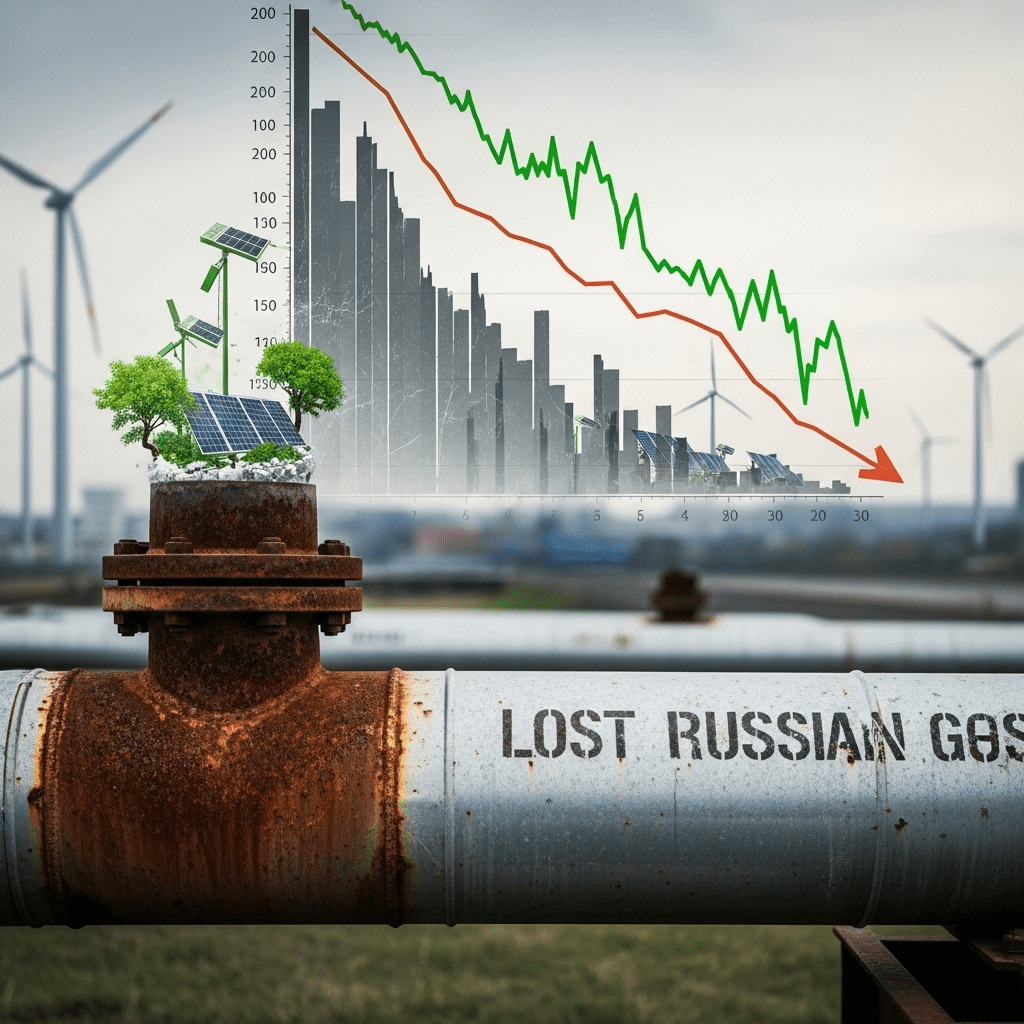
The profit at Germany’s Uniper sinks on lost Russian gas revenue, highlighting ongoing volatility in the European energy sector and raising critical questions for investors and policymakers navigating the post-2022 energy landscape.
Profit at Germany’s Uniper Sinks on Lost Russian Gas Revenue: The Core of the Crisis
Germany’s biggest gas importer, Uniper, reported a sharp decline in profit for the latest fiscal period, largely due to the cessation of Russian gas deliveries. The loss of Russian gas revenue, a direct fallout from Geopolitical tensions and the war in Ukraine, has fundamentally altered Uniper’s business model and the broader European energy market.
Before the crisis, Uniper depended on Russia’s Gazprom for a significant portion of its natural gas imports. That relationship, abruptly disrupted in 2022, forced the company to scramble for alternatives, often at much higher spot prices on the global market. These elevated procurement costs, coupled with the inability to pass the full burden onto customers due to regulatory pressure, have contributed to the profit erosion detailed in the company’s latest financial report.
Financial Results: Navigating Profit Erosion and Volatility
Uniper’s published results show operating profits down significantly, reflecting both the direct financial impact and the knock-on effects of the energy supply shock. The lost revenue from Russian gas contracts—which had previously offered stable and relatively low-cost supply—was only partially offset by state intervention and new sourcing agreements.
To avoid full insolvency, the German government nationalized Uniper in late 2022, injecting billions in support. This rescue effort stabilized short-term operations but left Uniper heavily reliant on state funding and exposed to Europe’s ongoing search for energy diversification. For institutional investors and analysts tracking global energy trends, Uniper’s trajectory offers a stark illustration of how external shocks can upend even the largest market players.
Broader Energy Market Implications After the Drop in Russian Gas Revenue
Uniper’s struggles are emblematic of the broader shifts echoing through Europe’s natural gas market. The shift away from Russian supply has turbocharged the hunt for alternative sources, including LNG imports from the US and Qatar, as well as accelerated investment in renewables and infrastructure. Uniper itself has engaged in several new long-term LNG contracts and expanded its portfolio in wind and solar energy projects.
Yet, the company’s weakened profit underscores the costs and complexities of this transition. Short-term energy prices, while less frenetic than in 2022, remain above historical averages. This continues to put pressure on industrial competitiveness across Europe and underscores the continent’s vulnerability to external shocks.
Strategic Shifts: How Uniper Is Adapting
In response, Uniper has rolled out a series of strategic adjustments. These include renegotiating supply deals, divesting non-core assets, and investing in green hydrogen and grid infrastructure. The focus is now on building a more diversified and resilient supply chain, better suited to the realities of reduced Russian gas flows and volatile global energy markets.
For stakeholders monitoring risk management in turbulent sectors, Uniper’s evolution provides a case study in crisis response. While quick pivots have been necessary, the long-term challenge remains: building sustainable profitability in a fundamentally altered European energy environment.
Outlook for Investors: What’s Next for Uniper and the Sector?
Looking forward into 2025 and beyond, analysts anticipate that Uniper’s profitability may remain under pressure as the energy landscape continues to evolve. The company’s future performance will hinge on its ability to lock in stable alternative supply contracts and accelerate investment in renewable and low-carbon technologies.
The institutional appetite for exposure to European utilities is shifting, with investors increasingly focused on companies demonstrating not only resilience but also genuine commitments to decarbonization and diversification. As governments and the private sector leverage lessons learned from the Russian gas crisis, opportunities may emerge in areas such as energy storage, LNG terminal development, and sustainable finance.
Conclusion: Lessons for Energy Transition and Profitability
The headline that profit at Germany’s Uniper sinks on lost Russian gas revenue serves as a cautionary tale for the risks and opportunities inherent in global energy market realignment. Navigating this period successfully will require agility, diversified strategy, and keen attention to geopolitical developments—critical lessons for all participants in the rapidly evolving energy sector.




