

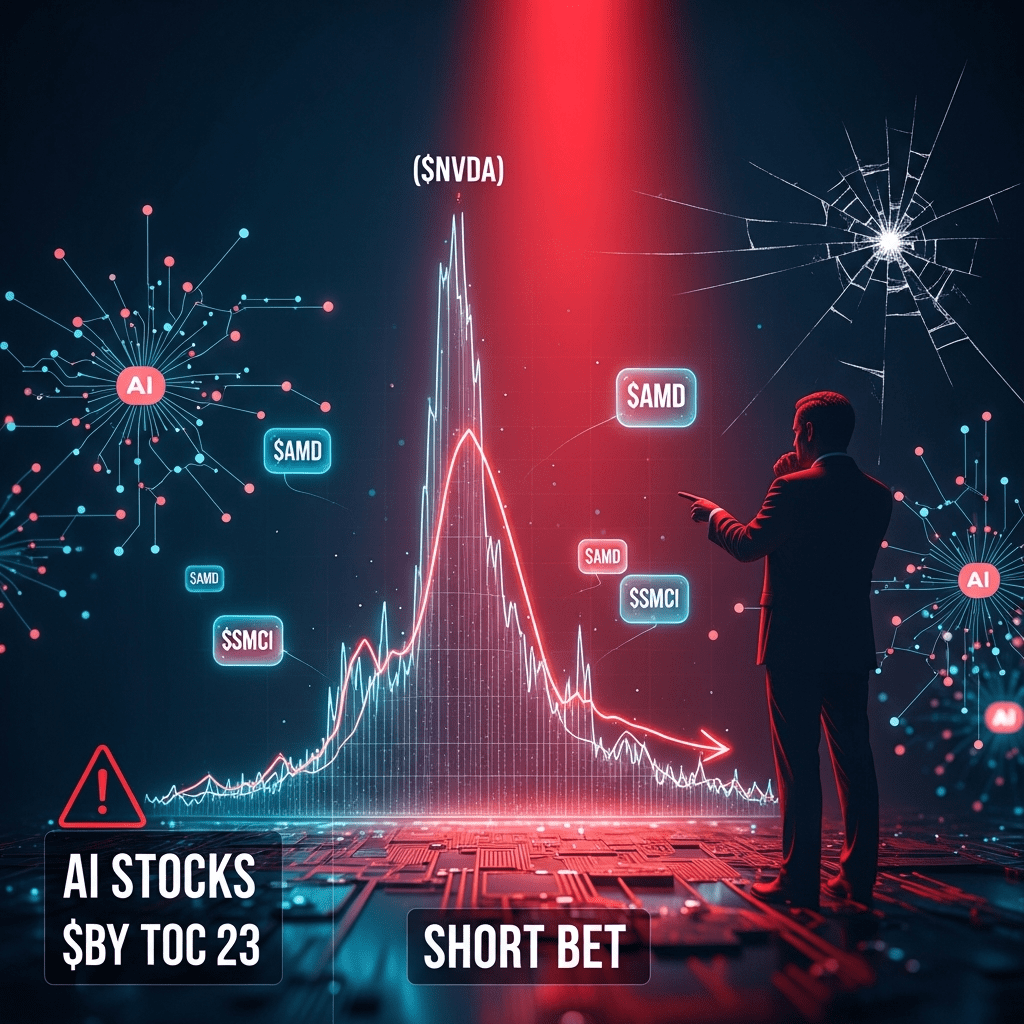
Steve Eisman, famed for his prescient bet against the 2008 housing bubble, has revealed new positions against top artificial intelligence names, including Nvidia ($NVDA). The short seller betting against AI has sparked market debate, given record valuations and sector volatility in 2025. Why is Eisman wagering on a fall where many see lasting upside?
Steve Eisman Discloses Short Position Against Major AI Stocks
On November 5, Steve Eisman, portfolio manager at Neuberger Berman, confirmed on Bloomberg TV that he has initiated a significant short exposure to several key AI semiconductor and infrastructure stocks. Nvidia ($NVDA) is among his primary targets. The company’s shares, up 46.2% year-to-date to $664.57 as of November 4, have seen daily traded volumes regularly exceeding 40 million shares (Yahoo Finance, Reuters). Eisman cited “extraordinary concentrations of risk” after the AI rally added over $2.1 trillion in market capitalization to leading semiconductor firms since January 2023, per FactSet data. While Eisman did not quantify the full size of his short, sources familiar with Neuberger Berman’s strategies indicated exposure across $NVDA, Advanced Micro Devices ($AMD), and Super Micro Computer ($SMCI).
Why the AI Sector Faces New Skepticism After Massive Rally
The artificial intelligence sector has outperformed broader tech and the S&P 500 in 2024, with the S&P 500 Info Tech Index rising 29.6% versus 19.3% for the main index (S&P Global, October 2024). However, several analysts now warn of overheating. Goldman Sachs noted AI semiconductor valuations have reached an average forward price/earnings ratio of 53x, up from 31x two years ago. In addition, reported policy concerns over AI regulation—including the EU AI Act and recent U.S. chip export curbs—have dampened sentiment, contributing to $34.7 billion in sector ETF outflows since August (Bloomberg, October 2024). Eisman’s move highlights the growing divide over whether current growth is sustainable or driven by speculative excess.
How Investors Should Position Their Portfolios After the AI Short Call
For investors with significant allocations to the AI sector, Eisman’s short bet signals the need for renewed risk assessment. Portfolio managers may consider reducing exposure to high-beta AI equities like Nvidia ($NVDA) and Super Micro Computer ($SMCI), or hedging positions via put options or sector inverse ETFs. Those holding sector ETFs such as the Global X Artificial Intelligence & Technology ETF ($AIQ) may wish to review rebalancing strategies, especially amid elevated volatility. Meanwhile, capital rotation into broader stock market analysis or non-tech cyclical sectors may support diversification. Recent financial news suggests that institutional managers are already trimming allocations to AI-linked names, preferring defensive stocks as valuations become stretched.
Market Analysts Debate AI Valuations as Short Interest Climbs
Industry analysts observe a spike in short interest for major AI names. According to S3 Partners data, short interest in Nvidia ($NVDA) has risen to 1.5% of float by late October—its highest level since before the 2023 rally. Investment strategists note that while AI adoption remains a long-term theme, near-term risks around regulatory changes and slowing enterprise demand cannot be ignored. Market consensus suggests caution, with several firms lowering price targets for AI chip stocks amid rising cost and inventory concerns.
Short Seller Betting Against AI Sends Warning for 2025 Investors
Steve Eisman’s short seller betting against AI move is a reminder that even dominant sectors are not immune to correction risk. In the months ahead, investors should monitor earnings, regulatory developments, and short interest trends closely. With Eisman’s history of calling systemic bubbles, his AI wager signals a vital inflection point for the sector and underscores the need for vigilance in portfolio construction.
Tags: short seller, Nvidia, AI sector, Steve Eisman, NVDA




