

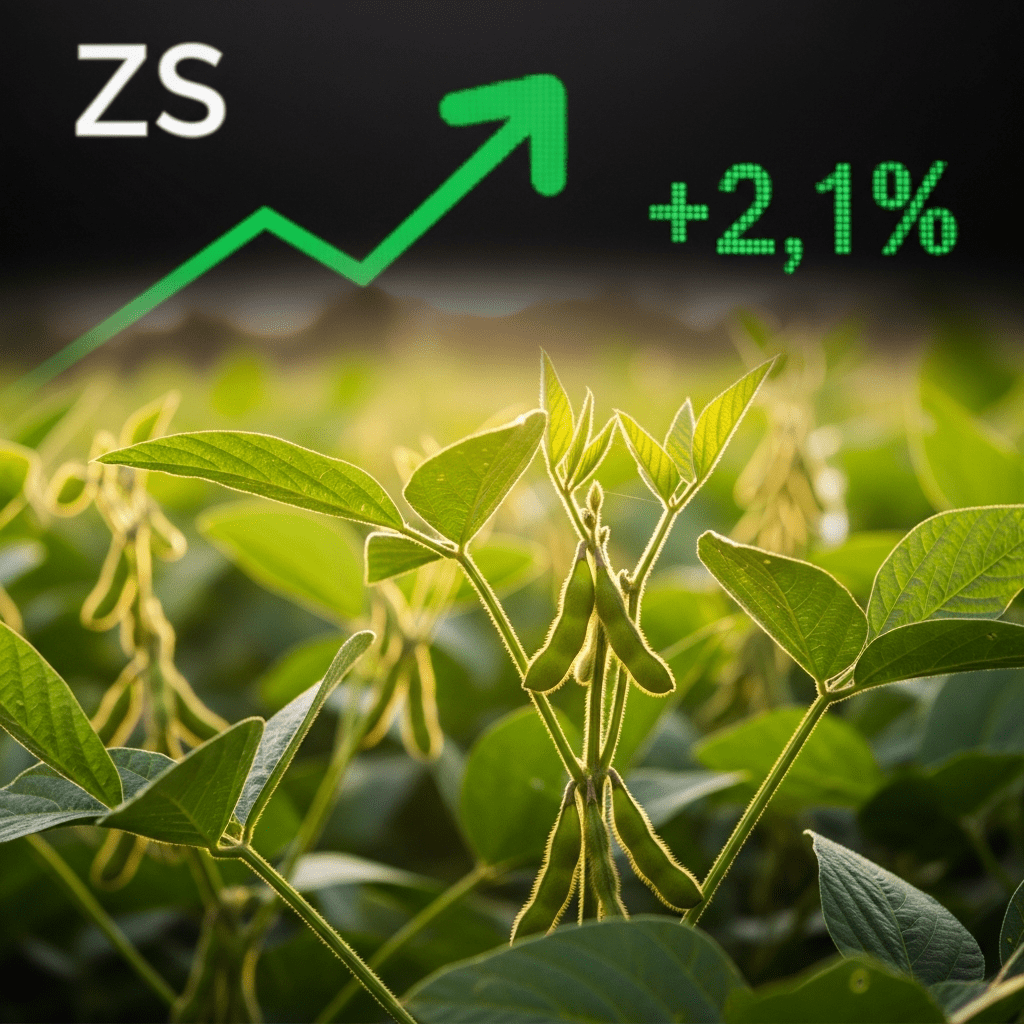
Soybeans ($ZS) secured a sharp turnaround on Wednesday as futures prices surged 2.1% to $12.89 per bushel by midday, making soybeans back to gains the story of the session. Unexpected demand from overseas buyers and renewed supply concerns boosted the commodity, surprising traders after a week of downward momentum.
Soybeans Surge 2.1% to $12.89 as Export Demand Surprises
Soybean futures on the Chicago Board of Trade ($ZS) leapt 2.1% to settle at $12.89 per bushel during Wednesday’s mid-session, reversing earlier losses that saw contracts near a two-month low of $12.54 on November 5. Volume spiked above 185,000 contracts, up 18% from the previous day, according to CME Group trading data. U.S. Department of Agriculture (USDA) flash export sales reported 210,000 metric tons sold to an undisclosed buyer for delivery in the 2025 marketing year, surprising analysts who expected subdued demand. “Export bookings and South American weather are reenergizing the bulls today,” said a Reuters market summary published November 6.
How Global Crop Conditions and Trade Flows Affect Soybean Prices
The soybean rally traces to mounting weather risks in Brazil, where persistent dryness in Mato Grosso is delaying planting, per AgRural’s November 5 crop progress report. As Brazil accounts for roughly 53% of global soybean exports, the prospect of reduced yields stoked concerns of supply tightness heading into 2025. Additionally, sluggish U.S. harvest progress—just 87% complete versus a 5-year average of 92%—brings further uncertainty, per USDA data for the week ending November 3. The return of Chinese buying interest, reflected in Customs data showing 9.3 million metric tons of October imports, up 6% year over year, signals trade flows are buoying prices despite ample North American stocks. For broader context, the stock market analysis section tracks how agricultural trends affect equities in related sectors.
Strategic Moves for Investors as Soybeans Reverse Course
For commodity traders, soybeans’ swift rebound underscores the value of flexible positioning amidst volatile weather and export news. Managed money funds that reduced bullish bets last week are now reassessing exposure, especially as grain ETFs (like Teucrium Soybean Fund, $SOYB) posted 2.5% gains intraday. Risk remains from further dollar strengthening, which could cap rallies, and potential yield improvements if rains return in Brazil. Long-term investors in agribusiness equities—such as Archer Daniels Midland ($ADM) and Bunge ($BG)—may see share price volatility linked to input costs and export margins. For those seeking wider context, our latest financial news and stock market analysis offer tools to assess portfolio impacts from commodity swings.
Analysts Signal Near-Term Upside Amid Export and Weather Risks
Industry analysts observe that, while short-term uncertainties remain, bullish catalysts persist if South American weather fails to improve and export demand persists. According to a Bloomberg market survey on November 6, consensus forecasts point toward continued price volatility through year-end, with resistance expected between $13.10 and $13.35 per bushel. Market strategists note that technical traders are watching closely for sustained closes above $13, which could invite additional momentum buying.
Soybeans Back to Gains as Market Eyes South America in 2025
Soybeans back to gains signals renewed volatility and opportunity for investors tracking global crop cycles and trade patterns. With South American weather and U.S. export pace still in flux, the next several weeks could set the tone for soybean markets into 2025. Investors should monitor USDA reports and Brazil’s rainfall trends to capitalize on further price shifts.
Tags: soybeans, $ZS, commodity futures, crop weather, export demand




