




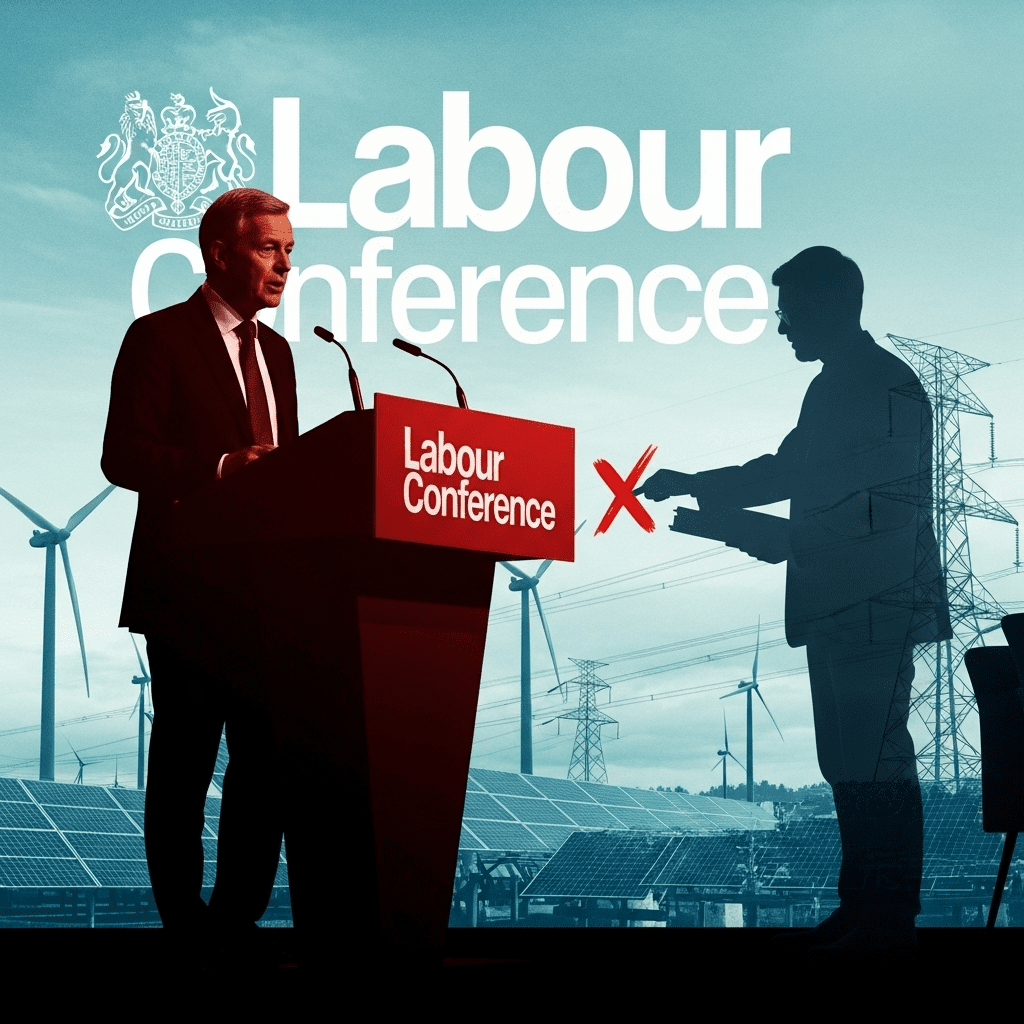
The news that an academic axed from Labour conference panel for criticising energy policy has sent ripples through the UK’s energy sector and academic communities alike. As the Labour Party positions itself as a leading force in shaping the country’s future energy strategy, this move raises questions about openness to dissent, the role of academic expertise, and the impact on investors navigating the fast-changing energy landscape.
Academic Axed from Labour Conference Panel: The Controversy Explained
The recent incident involving an academic axed from Labour conference panel has ignited a debate about the balance between party messaging and independent scrutiny. According to sources within the conference, the University of Oxford professor, renowned for her independent research into renewable energy and market reforms, was removed from a high-profile panel after voicing sharp criticism of Labour’s proposed overhaul of the UK energy system.
Labour’s energy policy—centred on ambitious net-zero targets, state involvement in clean energy investment, and accelerating the transition away from fossil fuels—has drawn both praise and scepticism from industry experts. The academic’s disinvitation reportedly stemmed from her previously published articles and public statements questioning the financial viability and strategic risks of large-scale renationalisation, as well as the speed of mandated decarbonisation for utilities and investors.
Political Messaging versus Academic Freedom
This episode spotlights the tension between political party messaging and academic freedom. Events such as these, meant to foster debate, risk turning into echo chambers if critical voices are excluded. For the financial community seeking independent analysis of UK energy policy, a lack of dissent can cloud the ability to gauge both risks and opportunities in the sector.
Industry analysts have emphasised that robust policy discussion—especially from independent experts outside the political mainstream—is critical for investor confidence and accurate sectoral forecasting. Diminishing that diversity of viewpoints can lead to miscalculations about potential legislative changes, regulatory interventions, and the pace of the clean energy transition.
Impacts on the UK Energy Policy Landscape
The decision to remove the academic has sparked a wider debate among industry stakeholders, academics, and the investment community over transparency and best practices in shaping energy policy. The Labour Party has defended its approach, stating that its panels must align with its values and policy direction to provide clarity and focus for the public and stakeholders. However, some critics argue this move may undermine trust in both the policymaking process and the quality of market information relied on by energy investors.
For institutional and retail investors seeking market intelligence on renewable energy, such headlines may serve as a warning sign of potential volatility and policy-driven risk. In a sector where multi-billion-pound infrastructure decisions hinge on clear and credible policy frameworks, the stifling of academic perspectives could fuel uncertainty—especially as the 2025 general election approaches.
A Closer Look at Labour’s Energy Proposals
Labour’s energy policy proposals include the creation of ‘Great British Energy’, a public institution tasked with driving investment in renewables, and more assertive climate targets. While these moves are lauded by environmentalists, critics have pointed out possible challenges, such as capital costs, implementation timelines, and investor returns in a heavily regulated environment.
According to recent studies, including data cited in the professor’s research, successful energy transitions in European countries have typically involved a blend of public and private investment, robust stakeholder consultation, and gradual policy changes that reward innovation. By contrast, sudden market shifts or reductions in expert input have historically led to project delays, legal disputes, or inadvertent increases in energy prices for end-users.
Implications for Investors and Industry Stakeholders
For investors tracking the UK’s evolving energy sector, the message from the academic axed from Labour conference panel episode is clear: political risk and policy unpredictability remain key metrics for 2025 and beyond. Transparent, open dialogue—welcoming both supporters and critics—will be essential to shaping an investable and stable UK clean energy market.
Stakeholders should watch not only the legislative direction but also the level of expert engagement and policy scrutiny afforded throughout the next political cycle. As highlighted on financial news platforms, robust public debate is a cornerstone of efficient markets, especially in sectors driven by regulatory change and long-term capital allocation.
Conclusion: Maintaining Trust Amid Energy Transition
The removal of an academic voice critical of Labour’s energy policy serves as a cautionary tale for both policymakers and market participants. Ensuring a transparent and inclusive policy formulation process is fundamental to fostering confidence for investors, industry leaders, and society at large. As the 2025 general election nears, all eyes will remain on how the UK balances the urgent need for clean energy investment with the indispensable value of open, informed debate.