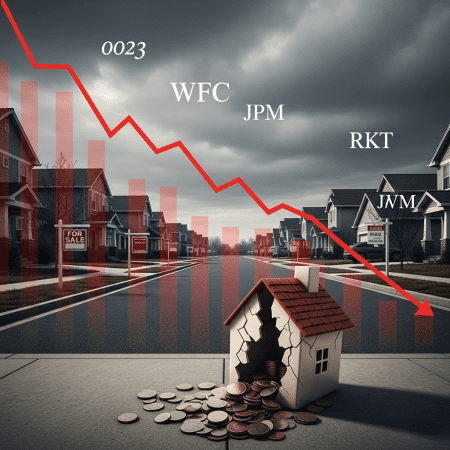





U.S. Census Bureau ($USCB) data revealed the median American housing cost jumped 34% since 2020, with rent and mortgage payments hitting unexpected new highs. Are you overpaying for your housing as rates and affordability move sharply in 2025? The latest data highlights surprising disparities across states and income levels.
Median U.S. Housing Payments Surge 34% to $2,048, Census Bureau Reports
The U.S. Census Bureau ($USCB) reports that the national median monthly housing payment—including mortgage or rent and utilities—reached $2,048 in the third quarter of 2025. This marks a 34% increase from the $1,528 median recorded in 2020 (source: U.S. Census, 2025 Housing Survey). In metropolitan areas like San Francisco, median payments neared $3,200, while rural counties averaged just $1,290. Data also shows 47% of renters now spend over 30% of their income on housing, exceeding the traditional ‘cost-burdened’ threshold. Rising interest rates—averaging 6.8% for 30-year fixed mortgages in 2025 per Freddie Mac—have contributed to these record payments, while rent inflation reached 8.3% year-over-year nationwide in September 2025 (according to Zillow Research).
How Rising Housing Costs Impact Consumer Spending and Markets
Elevated housing expenses are rippling across sectors, with consumer spending squeezed by larger mortgage and rent outlays. According to the Bureau of Economic Analysis, personal consumption expenditures grew just 1.1% in Q3 2025, significantly slower than the 2.2% pace a year ago. As housing costs command a growing share of disposable income, sectors such as retail and leisure are seeing incremental slowdowns. The National Association of Home Builders reports that new home sales volume declined 14.5% year-on-year as of September 2025, the most significant drop since 2011. Meanwhile, residential REITs, including AvalonBay Communities ($AVB) and Equity Residential ($EQR), experienced high tenant turnover and rising delinquencies, according to Q3 company disclosures. Economists warn that persistent housing unaffordability could moderate broader economic growth well into 2026.
Where Investors Can Find Value as Housing Affordability Shifts
Investors seeking opportunity amid these developments may look to regional banks and construction material firms positioned to benefit from demand for new, lower-cost housing. Some real estate investment trusts (REITs) focused on Sun Belt markets—such as Mid-America Apartment Communities ($MAA)—outperformed national averages in rental growth. However, investors in coastal REITs face mounting risks from rising vacancies and rent concessions. For those with exposure to mortgage-backed securities, rising delinquencies and tighter lending standards in high-cost urban markets could weigh on returns. As inflation persists and costs remain elevated, asset allocation strategies may favor sectors tied to affordable housing, prefabricated construction, or home improvement retail. Explore more housing market trends, or dive into REIT performance analysis for data-driven insights. Additionally, broader investment strategy adjustments are warranted as household budgets tighten.
Analysts See Housing Stress Limiting Near-Term U.S. Growth
Industry analysts at Moody’s Analytics and UBS observe that sustained housing cost pressures could further dampen U.S. consumer resilience into early 2026. While new construction starts are projected to modestly rebound if rates fall, any relief may take multiple quarters to materialize. Market consensus suggests housing affordability will remain a central concern for policymakers and investors with the potential to shape Fed policy and real estate prices.
What Rising Housing Payments Mean for Households in 2025
Americans must closely monitor if they are overpaying for their housing as payments continue their multi-year surge. The latest census data suggests households face increased risk of financial strain and diminished capacity to invest elsewhere. Watch for further policy developments, local affordability initiatives, and mortgage rate movements as critical catalysts influencing the housing market in 2025 and beyond.
Tags: housing costs, USCB, REITs, real estate, overpaying for housing