

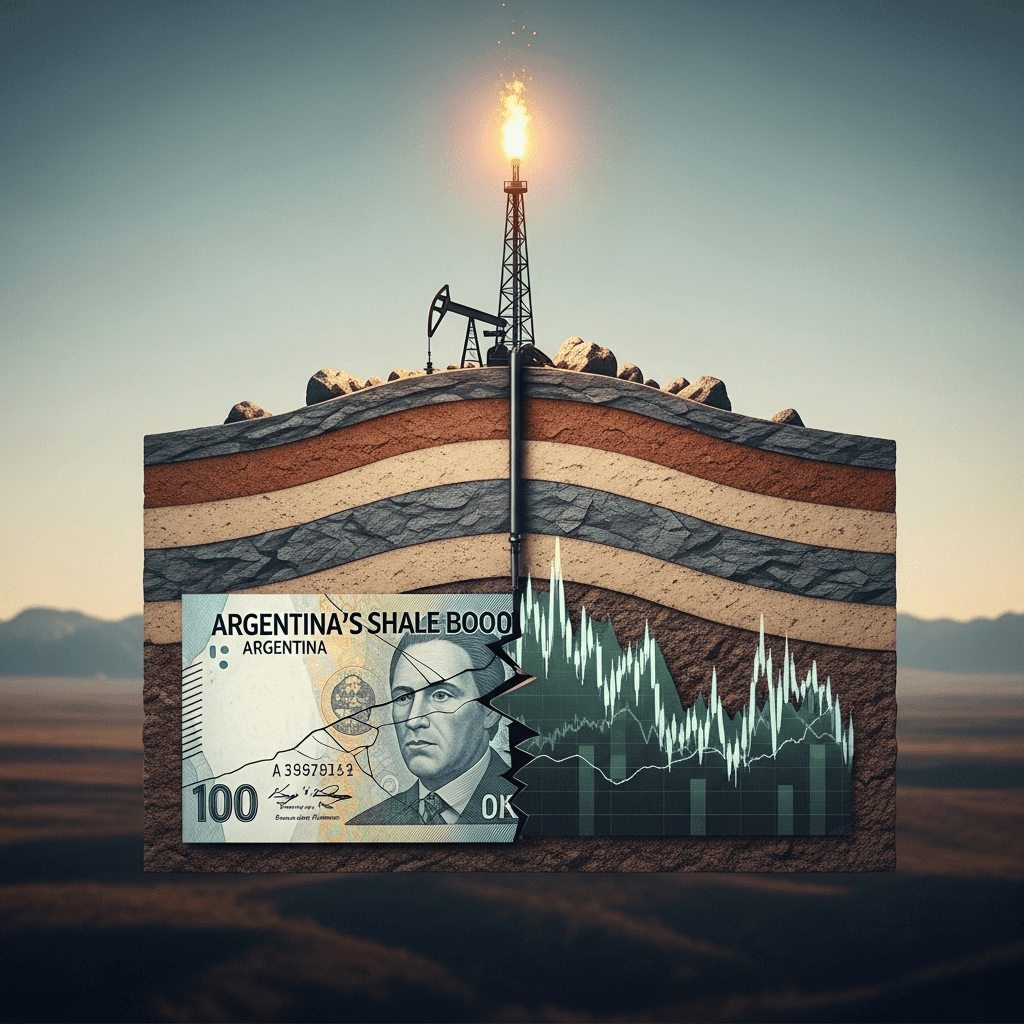
As Argentina’s shale boom runs into its old enemy of economic volatility, the nation’s path to energy dominance faces fresh scrutiny. Once heralded as the next big player in the global energy market, Argentina’s Vaca Muerta shale formation has seen explosive growth—but the long-standing challenges of inflation, currency turmoil, and regulatory uncertainty threaten to stall this momentum just as international investment interest peaks.
How Argentina’s Shale Boom Runs into Its Old Enemy: Economic Volatility
The story of Argentina’s shale revolution, epitomized by the vast Vaca Muerta basin, offers both sensational promise and cautionary tales for energy investors. With estimated recoverable resources of over 16 billion barrels of oil and 308 trillion cubic feet of gas, Vaca Muerta ranks among the world’s richest unconventional reserves. Production soared in the last decade, making Argentina the leading shale oil and gas producer outside of North America.
However, just as energy companies accelerate drilling campaigns and international firms like Chevron, Shell, and TotalEnergies pour billions into infrastructure, Argentina’s classic macroeconomic troubles resurface. Soaring inflation, chronic peso depreciation, and capital controls jeopardize the investment climate—reminding stakeholders of the nation’s infamous ‘stop-start’ pattern that has marred previous booms in mining and agriculture.
The Infrastructure Challenge: Bottlenecks and Policy Instability
For true transformation, Argentina must overcome infrastructure bottlenecks that restrict the shale sector’s potential. While the Nestor Kirchner gas pipeline—a critical link between Vaca Muerta’s output and the domestic market—was completed in 2023, additional export infrastructure remains desperately needed. Plans to expand pipeline capacity and build LNG export terminals are frequently delayed, often due to regulatory uncertainty and difficulties securing USD financing in a capital-constrained economy.
Currency restrictions and an unpredictable tax regime complicate the repatriation of profits and escalate project costs. For global energy giants and local operators alike, these domestic hurdles risk derailing long-term profitability—even as geological fundamentals remain world-class.
Investor Sentiment as Argentina’s Shale Boom Runs into Its Old Enemy
Despite these persistent obstacles, investor sentiment toward Argentina’s energy sector is increasingly nuanced. Foreign direct investment into oil and gas surged in 2022 and 2023, attracted by competitive production costs and the sheer scale of Vaca Muerta. Yet, as Argentina’s shale boom runs into its old enemy—economic unpredictability—many investors are hedging their exposure, demanding higher risk premiums, or opting for joint ventures that split operational burdens.
According to Fitch Ratings, Argentina’s ability to convert its resource bounty into sustained export growth will depend on macroeconomic and policy reforms. The country’s recently elected pro-business administration has pledged to restore investor confidence through deregulation and new incentives for hydrocarbon development. But meaningful change will rely on legislative support and political consensus—never a given in Argentina’s turbulent landscape.
Global Energy Markets: Why Argentina’s Vaca Muerta Still Matters
Argentina’s shale industry remains squarely on the radar of global energy analysts due to its potential to shift natural gas flows and strengthen energy security in the Southern Cone. As Europe diversifies gas imports away from Russia, and Brazil and Chile seek reliable regional suppliers, Argentina’s gas exports could reshape trade flows—if underlying economic issues can be resolved.
For global investors, the window to capitalize on Vaca Muerta’s resource wealth is open, but fraught with uncertainties. The evolving regulatory framework, volatility in exchange rates, and questions over infrastructure delivery will dictate the degree and durability of foreign participation going forward.
Conclusion: Opportunity and Risk Amid Argentina’s Energy Expansion
In 2025, Argentina is at a pivotal crossroads. The promise of its shale reserves remains as attractive as ever, yet the national habit of economic upheaval reasserts itself just as new energy frontiers beckon. If the government can tame inflation, stabilize the peso, and reassure the international community through credible policy reform, the nation could unlock a shale-powered economic renaissance.
Until then, stakeholders must weigh the sector’s enormous upside against the risks that have repeatedly stymied emerging market opportunities in Argentina’s past. For energy investors and analysts tracking the region, the message is clear: Argentina’s shale boom runs into its old enemy, making careful financial diligence and local expertise vital for those seeking sustainable returns.




