

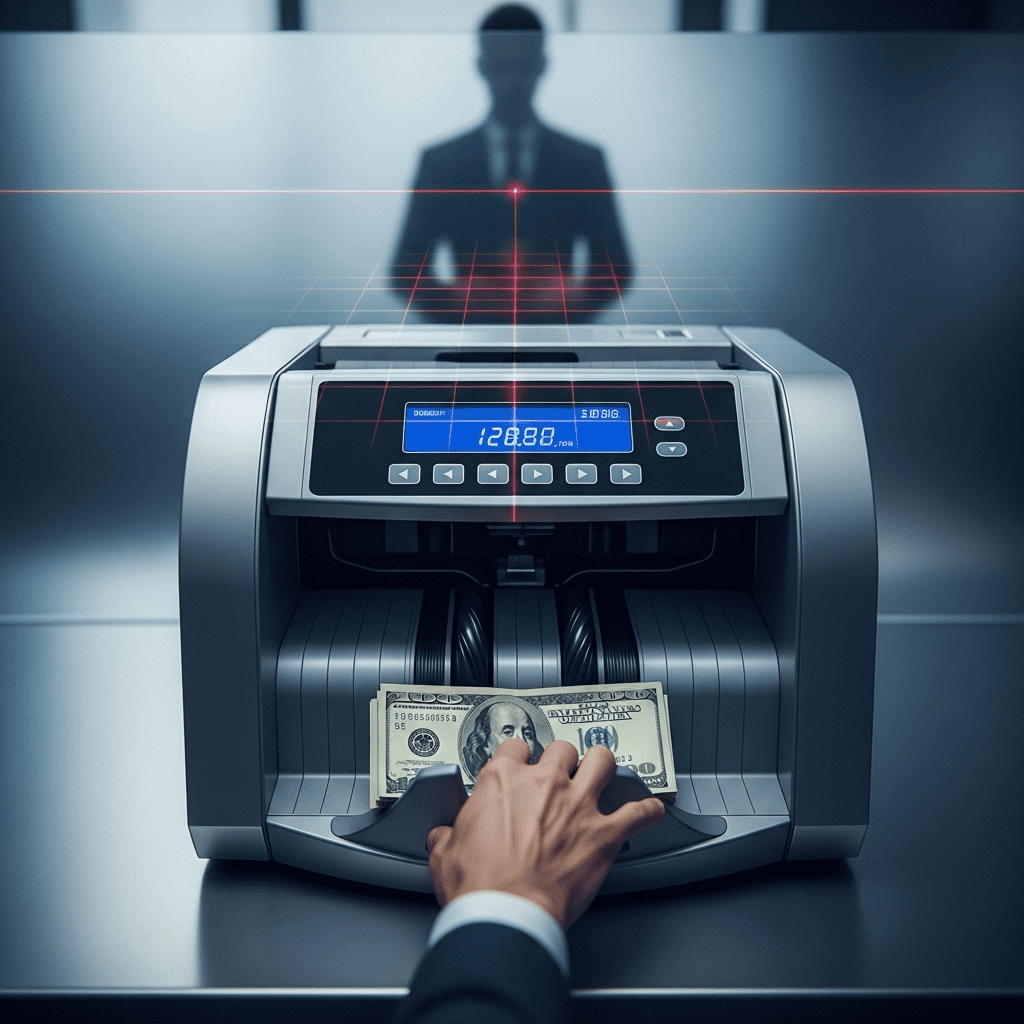
“Big Brother is watching how we spend our dollars”—this unsettling thought crossed my mind when a routine bank withdrawal turned into an unexpected interrogation. As financial institutions increase their scrutiny of cash transactions in 2025, many Americans are wondering: Is this level of oversight normal, and what are its implications on our financial freedom and privacy?
Why ‘Big Brother is Watching How We Spend Our Dollars’ at Banks Today
The experience of being questioned by a teller when requesting cash is far from uncommon in 2025. With heightened regulations and evolving compliance mandates, banks are tasked with monitoring customer transactions more closely than ever. The phrase “Big Brother is watching how we spend our dollars” encapsulates growing concerns about surveillance, data collection, and government oversight within the financial industry.
The primary driver behind these questions is anti-money laundering (AML) and Know Your Customer (KYC) regulation. These laws, enforced by the Financial Crimes Enforcement Network (FinCEN), require financial institutions to detect, monitor, and report suspicious activities, such as unusually large withdrawals or repeated cash transactions. According to the latest financial compliance insights, banks must file a Currency Transaction Report (CTR) for transactions exceeding $10,000 and report activities deemed suspicious even below that threshold.
How Compliance Measures Shape Customer Experience
Banks are obliged to verify the intention behind significant withdrawals to prevent illegal activities like money laundering, fraud, and terrorism financing. However, these protocols can feel invasive to the average consumer. When you’re asked why you need your own money, or what you plan to do with it, customers may feel that “Big Brother is watching how we spend our dollars” is more than just a phrase—it’s a reality.
Institutions also face steep penalties for non-compliance, which has made many tellers extra-cautious. Expect questions like: “Why are you withdrawing this amount?” or “How will you use the funds?” While these questions may seem personal, failing to answer them could result in delayed transactions or even rejected withdrawals.
The Impact of Increased Banking Oversight on Investors and Consumers
This atmosphere of scrutiny doesn’t just make for awkward bank visits—it has broader consequences for the stock market and personal risk management. For investors, the increased monitoring means higher barriers to moving funds quickly between asset classes or into alternative investments. Decisions that used to take moments now face potential delays, affecting agility and market timing.
Moreover, the documentation of cash movements is contributing to an economy where fewer transactions go unrecorded. While this is beneficial for transparency, it also raises new privacy concerns. As more Americans reconsider cash as a means of security amid turbulent markets, the reality that “Big Brother is watching how we spend our dollars” may change how we view financial autonomy in 2025.
How to Protect Your Financial Privacy in 2025
While complete financial privacy is increasingly elusive, there are steps consumers and investors can take. Reviewing your bank’s privacy policies, diversifying assets across institutions, and exploring digital investment strategies can help. Understanding your rights also matters; while banks are legally required to follow AML laws, you are entitled to polite, transparent communication regarding mandatory questions.
It’s also wise to keep records of your large transactions, as doing so can streamline discussions with your financial institution. For more detailed strategies, explore personal finance tools designed for modern investors.
What This Means for the Future of Banking and the Stock Market
As attitudes shift regarding privacy and regulation, investors should anticipate continued vigilance from banks in 2025 and beyond. While this may reduce criminal activity, it alters the traditional banking experience and can impact investment decisions, especially for those who rely on fast access to cash for market opportunities.
The stock market itself is indirectly affected as increased oversight can temper high-volume, speculative trading reliant on fluid cash movement. As regulators and financial institutions upgrade their technologies—enhanced AI-powered transaction monitoring is a major trend—”Big Brother is watching how we spend our dollars” becomes a reality reinforced by modern tools. For an in-depth look at these emerging trends, check out the latest market analysis.
The Bottom Line: Your Money, Their Rules
In 2025, oversight on cash withdrawals is the new normal, driven by stringent legal and regulatory expectations. While this framework aims to curb criminal activities and ensure market stability, it can leave everyday customers feeling scrutinized. Understanding both your rights and responsibilities is key to navigating the modern banking landscape—because whether we like it or not, Big Brother is watching how we spend our dollars.




