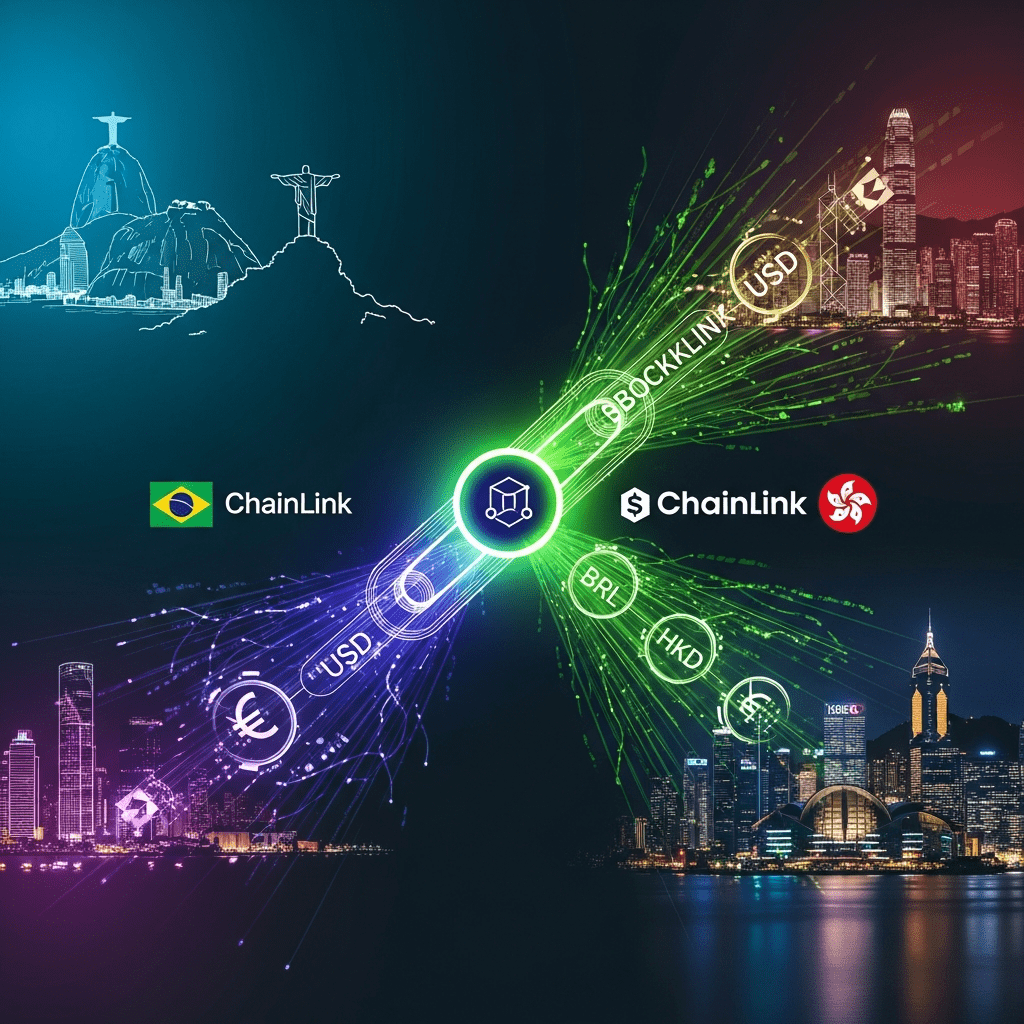
Brazil and Hong Kong secured a $4 billion cross-border blockchain trade pilot via Chainlink ($LINK), surprising market watchers with its scale and speed. This Brazil Hong Kong blockchain trade move could redefine digital infrastructure for international trade settlements. What disruptions or opportunities might this test unlock for global investors?
Brazil, Hong Kong Complete $4B Blockchain Trade Settlement via Chainlink
On November 3, 2025, Brazil’s Central Bank ($BCB) and the Hong Kong Monetary Authority ($HKMA) announced the successful completion of a $4 billion trade settlement using Chainlink ($LINK) technology, a first for both jurisdictions. The pilot, conducted over the previous 60 days, processed more than 2,150 transactions between corporate counterparties. According to official statements from both authorities, transaction finality was achieved in under 12 minutes per cross-border deal, compared to a traditional SWIFT average of 36 hours (source: Reuters, HKMA statements). Chainlink’s ($LINK) price surged 8.9% to $15.22 following the news, trading at its highest since July 2025 (CoinMarketCap data, 2025-11-03).
How Blockchain Trade Pilots Are Disrupting Global Finance
The Brazil Hong Kong blockchain trade pilot is part of a global trend, with at least six central banks testing distributed ledger technology (DLT) for cross-border settlements by Q3 2025. According to a BIS report published in September 2025, DLT-based pilots have reduced settlement costs by 40-60% and shortened standard processing times across participating jurisdictions. The success of this project places Brazil and Hong Kong at the forefront alongside Switzerland and Singapore. Analysts note that DLT trade settlement volumes globally are projected to exceed $300 billion by the end of 2026, marking a significant shift from legacy correspondent banking systems. Regulatory observers also cite heightened scrutiny around digital identity compliance and anti-money laundering as adoption accelerates (BIS, September 2025; Reuters).
Investor Strategies: Chainlink, Banking, and Emerging Market ETFs
Investors holding digital asset infrastructure stocks and tokens, including Chainlink ($LINK) and Polygon ($MATIC), may see increased volatility and liquidity in the coming quarters. For traditional market participants, Brazil-focused ETFs such as iShares MSCI Brazil ($EWZ) and Hong Kong banking equities could be re-rated as DLT adoption potentially enhances operational margins for listed firms. Traders should closely follow evolving regulations and announcements from central banks, as sector catalysts often generate outsized moves. For comprehensive cryptocurrency market trends and sector-specific stock market analysis, investors are advised to monitor shifts in cross-border payments and integration of blockchain in trade finance. Emerging market bonds and payments fintechs also warrant attention given rapidly changing competitive dynamics.
What Analysts Expect Next for Blockchain-Based Trade Finance
Industry analysts observe that successful pilots like the Brazil Hong Kong blockchain trade project validate the scalability of DLT in high-volume cross-border applications. Market consensus suggests further pilots—including possible expansion to the Eurozone and Middle East—are likely into 2026. Investment strategists note, however, that interoperability challenges and regulatory fragmentation remain substantial hurdles to mass adoption in traditional banking, even as first-mover jurisdictions reap short-term competitive advantages.
Brazil Hong Kong Blockchain Trade Pilot Signals New Era for Investors
The Brazil Hong Kong blockchain trade pilot demonstrates real savings in both time and cost, confirming growing institutional confidence in DLT-based settlement systems. Investors should watch for new regulatory developments, as successful pilots may trigger further integration—and potential volatility—in Chainlink ($LINK) and related assets. The Brazil Hong Kong blockchain trade outcome could set precedent for a broader transition to digital-native trade finance in 2025 and beyond.
Tags: Brazil, Hong Kong, blockchain, LINK, trade finance