

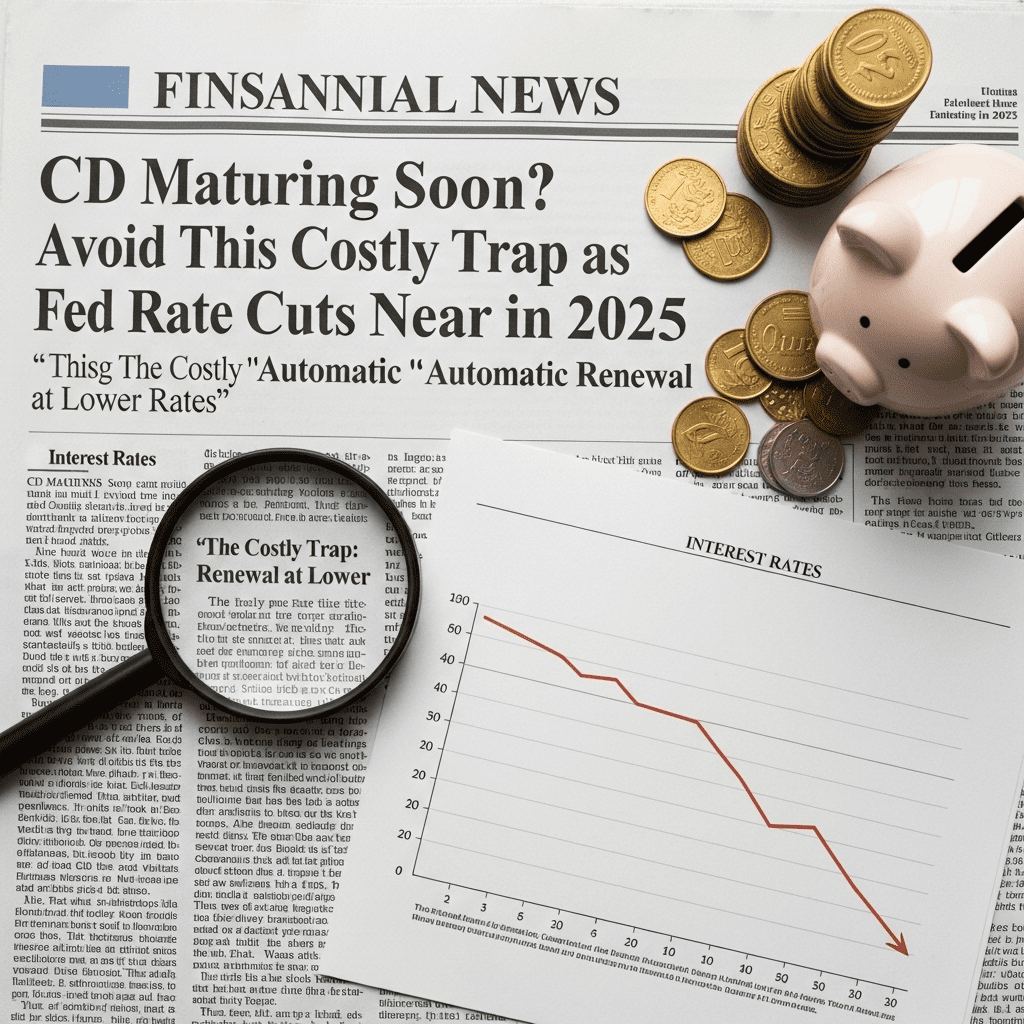
Is your CD maturing soon? With the Federal Reserve signaling potential rate cuts in 2025, savers need to tread carefully and avoid common missteps that could impact their long-term returns. As a changing rate environment approaches, knowing your next move becomes crucial for protecting capital and taking advantage of opportunities.
CD Maturing Soon? How Fed Rate Cuts Could Impact Your Next Move
When a certificate of deposit (CD) is maturing soon, it’s tempting to simply roll the funds into a new CD at your current bank. However, with the Fed widely expected to cut rates this year, the terms and yields offered on new CDs may soon be less attractive. This is a pivotal moment for depositors to reassess their cash management strategies and explore broader options available in the market.
The Costly Trap: Automatic Renewal at Lower Rates
One of the most common—and costly—traps investors fall into is allowing their maturing CDs to automatically renew, often at lower interest rates. Many banks default to rolling over your funds into a new CD of similar duration, but if you aren’t vigilant, you could lock in a subpar yield just as the rate environment shifts. In fact, with banks already anticipating rate cuts, newly issued CD rates may decrease rapidly in line with central bank policy.
Strategies to Maximize Returns When Your CD Is Maturing Soon
Don’t let inertia erode your returns. Instead, take these proactive steps:
- Shop Around for Competitive Rates: Use online tools and aggregator sites to compare APYs across banks and credit unions. Online institutions and regional banks often offer significantly higher yields than traditional brick-and-mortar banks, even as rates trend downward.
- Consider Laddering: If you’re concerned about locking in a long-term rate ahead of possible further declines, CD laddering can spread out maturity dates to balance liquidity, risk, and yield. This can be especially effective in a volatile interest rate landscape.
- Explore Treasury Bills and High-Yield Savings: Short-duration Treasury bills and high-yield savings accounts may offer comparable or even superior interest with more flexibility. As rates fall, these alternatives provide a worthwhile option for emergency funds or short-term goals.
Understand Grace Periods and Penalty Policies
When your CD matures, banks typically grant a short grace period—usually 7 to 10 days—during which you can make a decision without incurring penalties. Missing this window can mean your funds are locked away at a new, potentially lower rate and with another early withdrawal penalty looming should you need liquidity. Review your institution’s policy closely and set reminders so you can act decisively.
Navigating Market Changes as CD Matures Soon
With rate cuts likely, banks are expected to pass lower yields on to savers over the coming months. According to recent investment insights, experts recommend keeping a close eye on macro trends and Fed policy announcements. Staying informed on market direction helps you time your reinvestments strategically and seek out the most advantageous CD rates or alternative products.
Using FDIC Insurance to Your Advantage
Don’t forget, CDs are protected by FDIC insurance up to $250,000 per depositor, per institution. Spreading your savings across multiple institutions allows you to benefit from higher rates without sacrificing security. Utilize reputable resources, like the FDIC’s Electronic Deposit Insurance Estimator, for peace of mind as you pursue higher yields.
Final Thoughts: Decision-Making When Your CD Is Maturing Soon
With your CD maturing soon and Fed rate cuts likely, making a passive choice could cost you in the form of lower yields or lost flexibility. Take time during the grace period to research your options, avoid automatic renewals, and align your savings with your financial goals. Stay up to date with the latest financial analysis at market outlooks and check our expert tips for savvy wealth management.




