

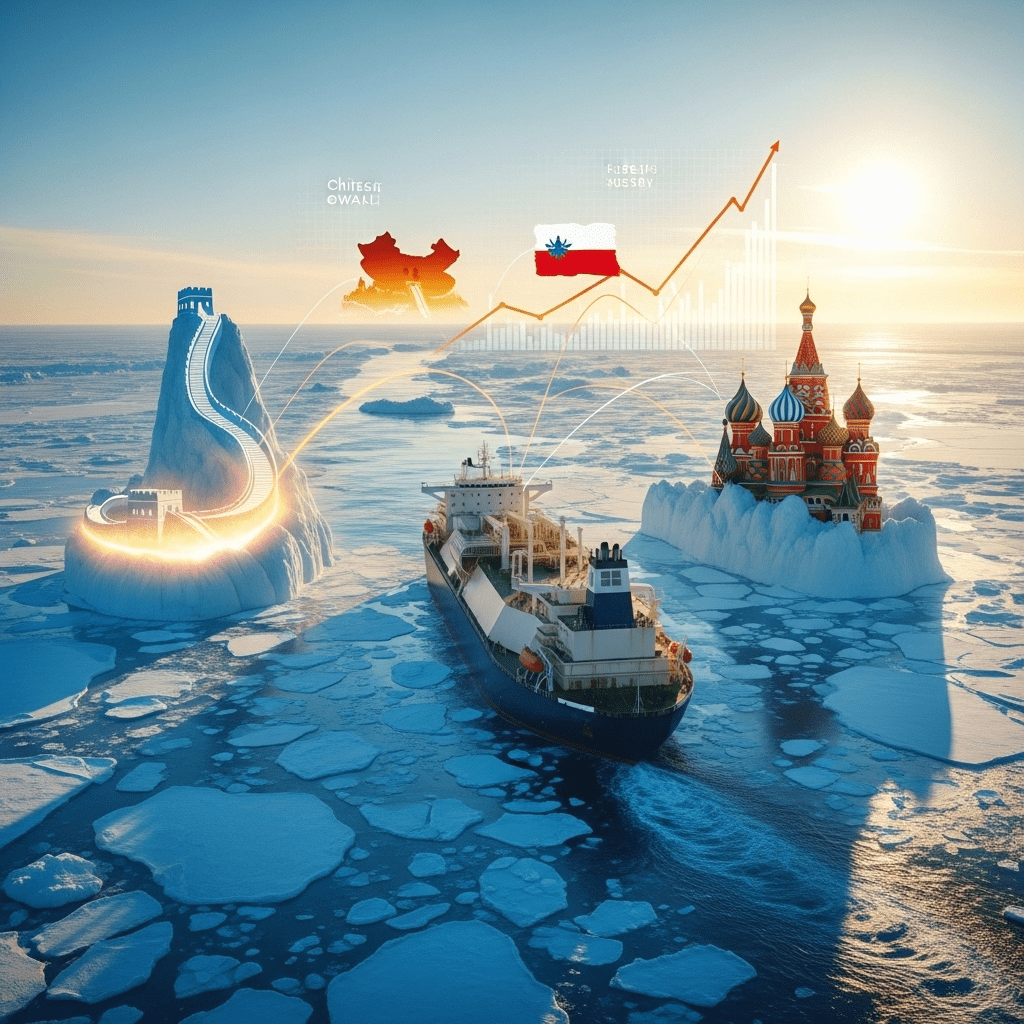
China continues Russian Arctic LNG imports despite sanctions, signaling a significant shift in global energy trade dynamics and raising crucial questions for investors and policymakers in 2025. As Western nations tighten sanctions on Russian energy, Beijing’s continued engagement underscores its strategic approach to energy security, diversification, and its growing influence in the Arctic region.
Strategic Rationale: Why China Continues Russian Arctic LNG Imports Despite Sanctions
China’s decision to maintain robust imports of Russian Arctic liquefied natural gas (LNG) despite sweeping Western sanctions is rooted in long-term strategic objectives. With mounting volatility in global energy markets and an enduring pursuit of stable supply chains, China is leveraging Russian Arctic LNG as both a hedge against market disruptions and a means to strengthen its global energy portfolio.
According to data from China’s General Administration of Customs, LNG shipments from Russia to China rose by over 12% year-on-year in the first quarter of 2025. These imports are a vital component of China’s energy mix, catering to surging domestic demand and supporting its transition away from coal. By continuing trade with sanctioned Russian projects such as Yamal LNG and Arctic LNG 2, China secures favorable pricing arrangements and affirms its non-alignment with Western-led secondary sanctions policies.
Arctic LNG: The Geopolitical and Economic Context
The Russian Arctic holds massive untapped gas reserves, with Yamal LNG and Novatek’s Arctic LNG developments at the forefront. These projects have become increasingly reliant on Asian buyers, backed by state-backed Chinese firms such as CNPC and CNOOC, who are significant equity investors. This cooperation predates recent sanctions but has intensified since many Western partners withdrew.
In bypassing traditional Western-controlled insurance and shipping networks, Chinese shipping firms and insurers now provide the critical infrastructure for LNG deliveries along the Northern Sea Route. Such logistical innovations not only keep the gas flowing but also bolster China’s Arctic presence and deepen its energy partnership with Russia.
Impacts of China’s Arctic LNG Policy: Global Energy Markets and Investment Strategies
The decision that China continues Russian Arctic LNG imports despite sanctions reverberates beyond bilateral ties, reshaping global natural gas flows. Spot market analysts and institutions like IEA note that China’s steady purchase volume limits Russia’s fiscal exposure but complicates Western efforts to tighten the global energy squeeze on Moscow.
For global investors and energy traders, China’s Arctic LNG procurement strategy introduces new variables into already volatile markets. Price differentials between Asia and Europe are widening, driving speculative trading opportunities within LNG futures and related equities. At the same time, the persistence of Russian Arctic LNG in Asian supply chains may discourage further European investment in upstream LNG infrastructure, redirecting capital flows toward Asian-centric projects.
Risks and Compliance: Navigating the Evolving Sanctions Landscape
Chinese energy companies remain subject to secondary sanctions risks, though Beijing has so far managed to steer clear of direct violations. To mitigate risks, Chinese entities often utilize local currency transactions, alternative shipping routes, and diversified contractual structures. This agility allows China to maintain energy security while reducing the likelihood of exposure to extraterritorial penalties.
Compliance offices and investment analysts will be watching closely for any adjustments in U.S.–EU sanctions, as well as policy statements from the Chinese government regarding its Arctic investments. For readers seeking to monitor emerging regulatory trends and compliance guidance, capital markets analysis may provide timely perspectives.
Opportunities for Stakeholders as China Continues Russian Arctic LNG Imports Despite Sanctions
Investors should note several high-conviction opportunities and risks arising from this evolving landscape. Chinese shipbuilders, LNG terminal operators, and local currency payment infrastructure providers are poised to benefit from increased regional activity and demand.
Additionally, multinational firms participating indirectly in the wider LNG supply chain may discover new collaborations and syndication opportunities, but will need robust sanction-due diligence frameworks to insulate against reputational and financial hazards.
Looking Ahead: Long-Term Implications for the Global Energy Transition
As China continues Russian Arctic LNG imports despite sanctions, the global energy transition narrative grows more fragmented, with alliances shifting and supply chains being reimagined. While Beijing’s approach ensures near-term energy security, it may slow its adoption of renewables and stall cross-border climate cooperation.
For those tracking global shifts in supply, pricing, or ESG dynamics, the interplay between sanctioned Russian gas and Chinese energy strategy will remain a pivotal theme. For comprehensive updates and ongoing analysis, energy market trends can provide essential context as 2025 unfolds.




