







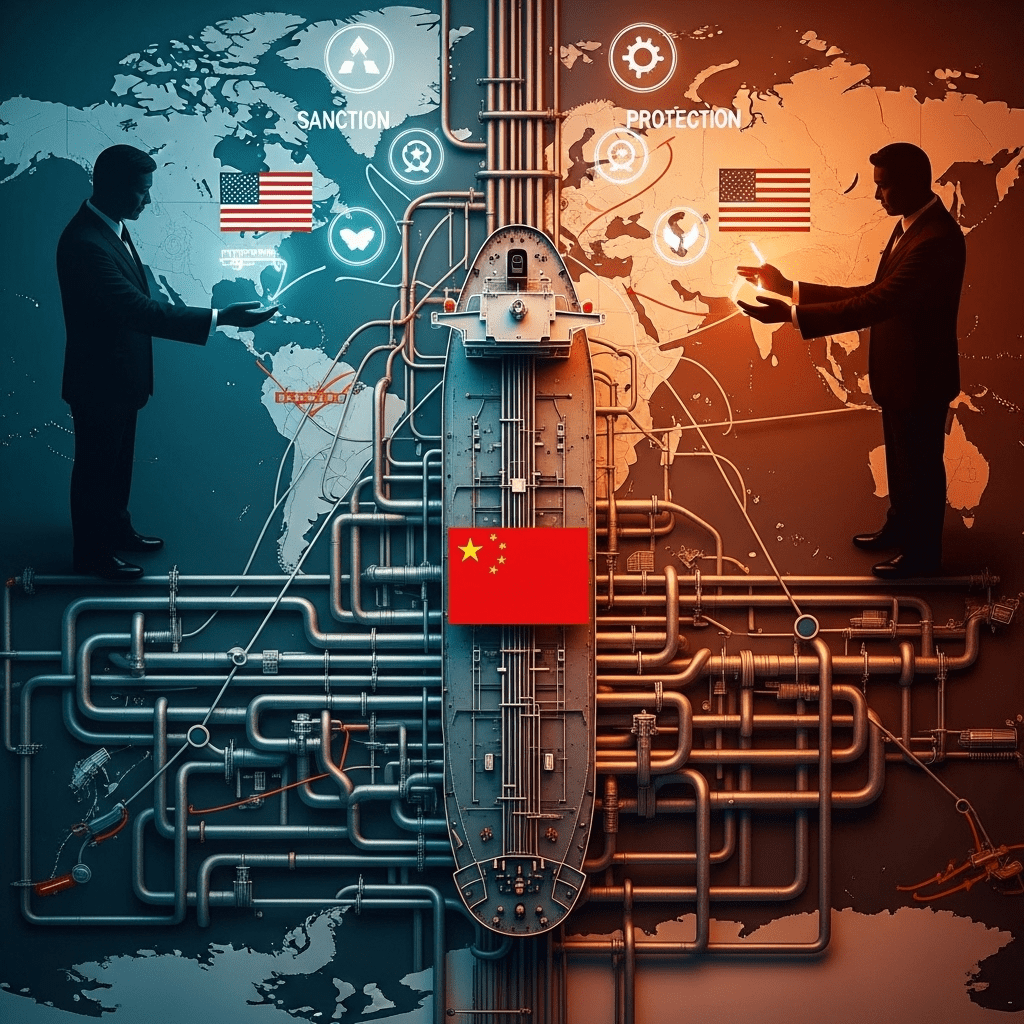
In a rapidly evolving global energy landscape, China vows to protect its firms amid fresh US oil sanctions barrage, a move that underscores escalating tensions and shifting dynamics in the international oil market. The latest wave of US sanctions, aimed at curbing energy trade with sanctioned states and actors, has reignited concerns over supply chain stability, compliance complexities, and the future of cross-border investments involving Chinese enterprises.
China Vows to Protect Its Firms amid Fresh US Oil Sanctions Barrage
Beijing’s commitment to shielding its energy and trading firms reflects a strategic response to what it views as US overreach in using sanctions as an economic instrument. Several Chinese companies—primarily those involved in oil trading, shipping, and related logistics—have recently come under greater scrutiny due to their transactions with sanctioned oil exporters, such as Iran, Russia, and Venezuela.
In a statement released by the Ministry of Foreign Affairs, China reiterated its opposition to what it calls “long-arm jurisdiction” by the United States. “China will resolutely safeguard the legitimate rights and interests of Chinese enterprises and citizens,” the ministry declared, emphasizing the importance of stable global energy markets and the need for dialogue over unilateral measures.
Sanctions Impact on Global Energy Markets
The imposition of new US oil sanctions reverberates well beyond the targeted entities. Analysts warn that such measures can disrupt established supply chains and spur volatility in global oil prices. With China being the world’s largest oil importer, its continued access to diverse sources of crude is vital for maintaining both domestic economic growth and international market stability.
For multinational investors and energy stakeholders, these developments add another layer of complexity to the risk profile associated with energy market participation. As China seeks to diversify its energy imports and shore up partnerships with countries in Central Asia, Africa, and Latin America, market watchers can expect increased competition and adaptive strategies in both procurement and shipping logistics.
Legal and Compliance Challenges for Chinese Firms
Chinese companies now face heightened legal due diligence demands, not just from US authorities but also from secondary market participants wary of violating extraterritorial sanctions. Many are investing in robust compliance infrastructure to mitigate the risk of future restrictions. This trend is creating new opportunities in compliance consulting and a surge in demand for expertise in sanctions law and international finance.
Some Beijing-based traders have reportedly adjusted transaction structures, opting for non-dollar settlements and utilizing state-backed insurance to limit exposure. These initiatives reflect the larger decoupling trend in global financial flows and underscore China’s agenda to internationalize its currency as a shield against potential US sanctions impacts.
Geopolitical Implications of US-China Sanctions Standoff
The broader geopolitics of the US-China dynamic are likely to intensify in 2025 as both nations double down on energy security and the defense of strategic interests. American authorities contend that robust sanctions enforcement is necessary to stifle funding to hostile states, while China frames its resistance as defending the principles of free trade and multilateralism.
Diplomatic channels between Washington and Beijing remain open, but progress has been slow and fraught with tension. Global institutions and third-party nations are increasingly caught between the superpowers, seeking ways to maintain energy supplies without running afoul of sanctions or prompting retaliatory restrictions.
Impact on Investment Flows and Energy Sector Opportunities
For those monitoring emerging market trends, the ongoing standoff signals both risk and opportunity in the energy sector. While US sanctions may deter Western capital from engaging with certain Chinese oil traders or logistics firms, alternative financiers and sovereign wealth funds are reportedly stepping in to fill the void.
Experts at global energy forums are closely watching how this shift shapes technology adoption, especially in areas like blockchain-tracked cargos and alternative payment settlements. These innovations, spurred by the sanctions environment, may foster new resilience strategies among affected companies and trading nations.
Long-Term Prospects for Chinese Energy Firms
Despite immediate headwinds, long-term prospects for Chinese oil and gas companies remain robust, provided they successfully navigate regulatory hurdles and invest in compliance. As part of China’s wider “dual-circulation” strategy, policymakers are leveraging the sanctions dispute to accelerate domestic capacity-building, diversify energy partners, and upgrade corporate governance.
For investors and analysts seeking actionable investment insights, it’s clear that the intersection of geopolitics and global energy markets will define risk assessments and capital allocation strategies throughout 2025 and beyond.
Conclusion: Navigating a New Energy Order
The announcement that China vows to protect its firms amid fresh US oil sanctions barrage sets the stage for a period of uncertainty and adaptation within the global energy system. Stakeholders in the energy, shipping, and investment sectors must remain vigilantly informed, balancing compliance obligations with emerging opportunities as the landscape evolves. In the coming months, the world will be watching how China’s countermeasures and the US sanctions regime reshape the broader architecture of international energy trade.










