




The Citgo auction turns ugly as embattled Venezuelan authorities double down on efforts to retain control of their last lucrative international asset. With mounting creditor claims and geopolitical tensions rising, the fate of Citgo Petroleum Corporation—the U.S.-based refining arm of Venezuela’s national oil company—hangs in the balance. The outcome could redefine not just Venezuela’s financial future, but ripple through global energy markets and U.S.-Venezuela relations.
Citgo Auction Turns Ugly: Venezuela’s High-Stakes Legal Battle
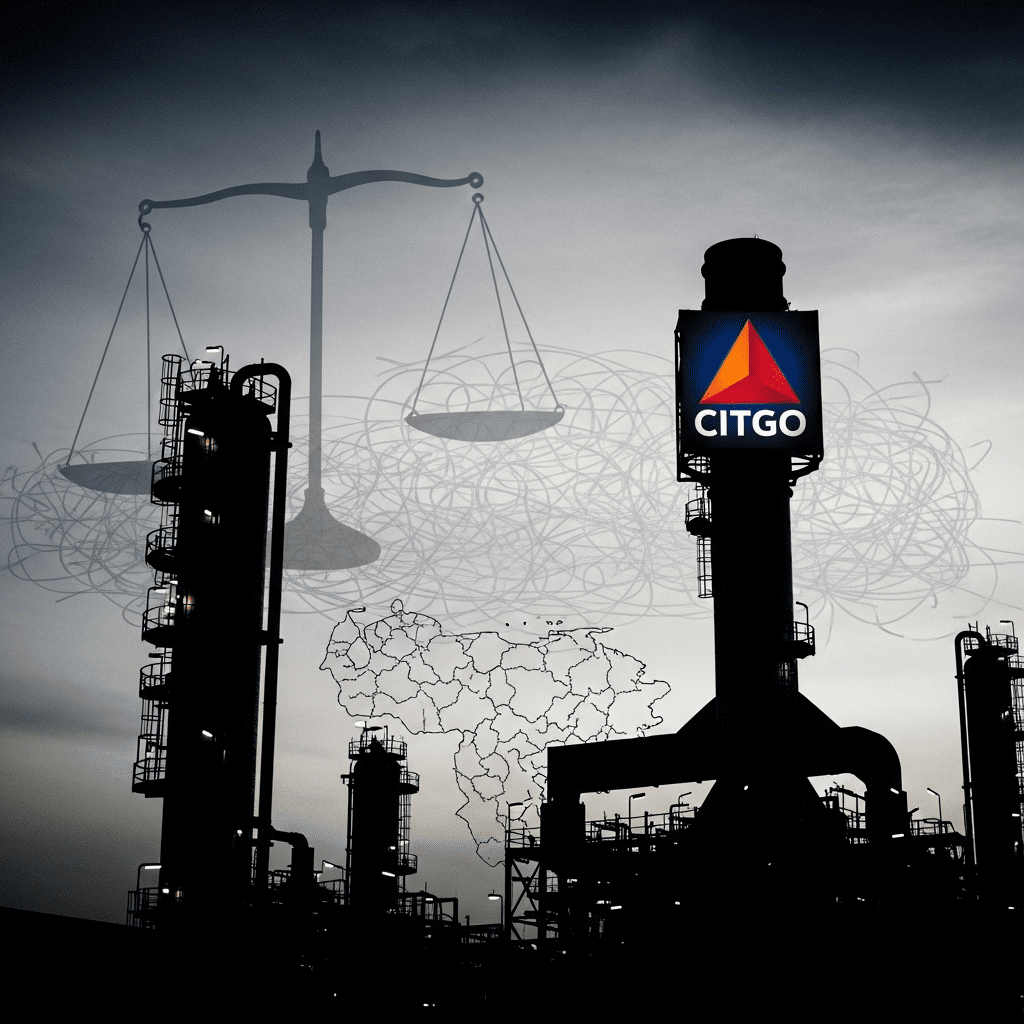
The Citgo auction turns ugly as a Delaware federal court oversees a forced sale of the company’s shares. The court-ordered auction arises from more than $20 billion in legal claims against Venezuela, stemming from unpaid debts and expropriation settlements linked to international corporations and bondholders. Citgo, once considered the South American nation’s “crown jewel,” is at risk of being carved up to satisfy these judgments.
For Venezuela, Citgo is more than a valuable refinery network; it’s a vital revenue source and a symbol of sovereignty. Since U.S. sanctions cut off state oil giant PDVSA from dollar-based commerce, Citgo has served as a financial lifeline. The current auction has attracted a who’s who of oil majors, investment funds, and litigation financiers—each seeking assets in a rare distressed sale of a strategic energy company on U.S. soil.
Courtroom Drama and Political Fallout
The auction—anticipated to conclude in late 2024 or early 2025—has grown increasingly contentious. The Venezuelan government, despite international isolation, has mounted a fierce legal campaign. Lawyers claim the auction is illegal, citing international treaties and arguing that U.S. recognition of opposition leader Juan Guaidó’s interim government undermines the auction’s legitimacy.
Meanwhile, creditors are pressuring the U.S. government to allow full liquidation, arguing that years of unpaid settlement awards justify the forced sale. The Biden administration has so far walked a diplomatic tightrope, wary of escalating Venezuela’s humanitarian crisis or jeopardizing ongoing energy sector recovery efforts. U.S. officials have provided only limited approvals for claims, carefully controlling the timeline and mechanics of the auction.
The Stakes for Venezuela’s Economy and Global Energy
Beyond the ugly legal brawl, the Citgo auction has far-reaching economic implications. Venezuela’s economy, long reeling from hyperinflation, sanctions, and dwindling oil production, faces the potential loss of its last major source of hard currency. Citgo’s U.S. refineries process over 750,000 barrels of oil daily and provide strategic access to the world’s largest gasoline market. Their loss would further destabilize PDVSA’s battered balance sheet and hinder any future economic recovery.
On the global stage, the auction is closely watched by energy executives, creditors, and policymakers. If Citgo lands in the hands of a rival oil giant or investment consortium, it could trigger supply chain shifts and spark geopolitical frictions. Moreover, the legal precedent—enabling foreign creditors to seize state assets held in the U.S.—could have ripple effects across the investment community. For professionals tracking emerging markets risk, the Citgo saga underscores the dangers associated with sovereign debt and expropriation disputes.
What Lies Ahead: Potential Outcomes and Market Reactions
Several scenarios are possible as the Citgo auction turns ugly and legal appeals pile up. If a major oil company emerges victorious, Citgo could see much-needed capital investment and operational reforms—potentially boosting U.S. refinery capacity. Alternatively, a drawn-out battle could deter bidders and lower asset valuations, resulting in protracted legal uncertainty and suppressed returns for creditors.
There’s also the real possibility of a last-minute diplomatic intervention. Should U.S. or international negotiators broker a settlement, Venezuela could retain partial ownership or negotiate a structured payout to creditors. For investors seeking actionable investment insights, monitoring court dockets, new regulatory filings, and political developments will be essential through 2025.
Citgo Auction Turns Ugly: Lessons for Investors
As the Citgo auction turns ugly, it serves as a stark reminder of the complex interplay between geopolitics, legal frameworks, and energy investment. For stakeholders with exposure to sovereign debt, distressed assets, or energy infrastructure, the ongoing drama highlights the importance of risk diversification, thorough due diligence, and a nuanced understanding of cross-border legal risks.
Whether Citgo remains Venezuela’s last crown jewel or passes into new hands, the auction will leave a lasting mark on international finance and the global oil industry. Investors, creditors, and governments alike will be watching closely as the story continues to unfold in 2025.