What Happened
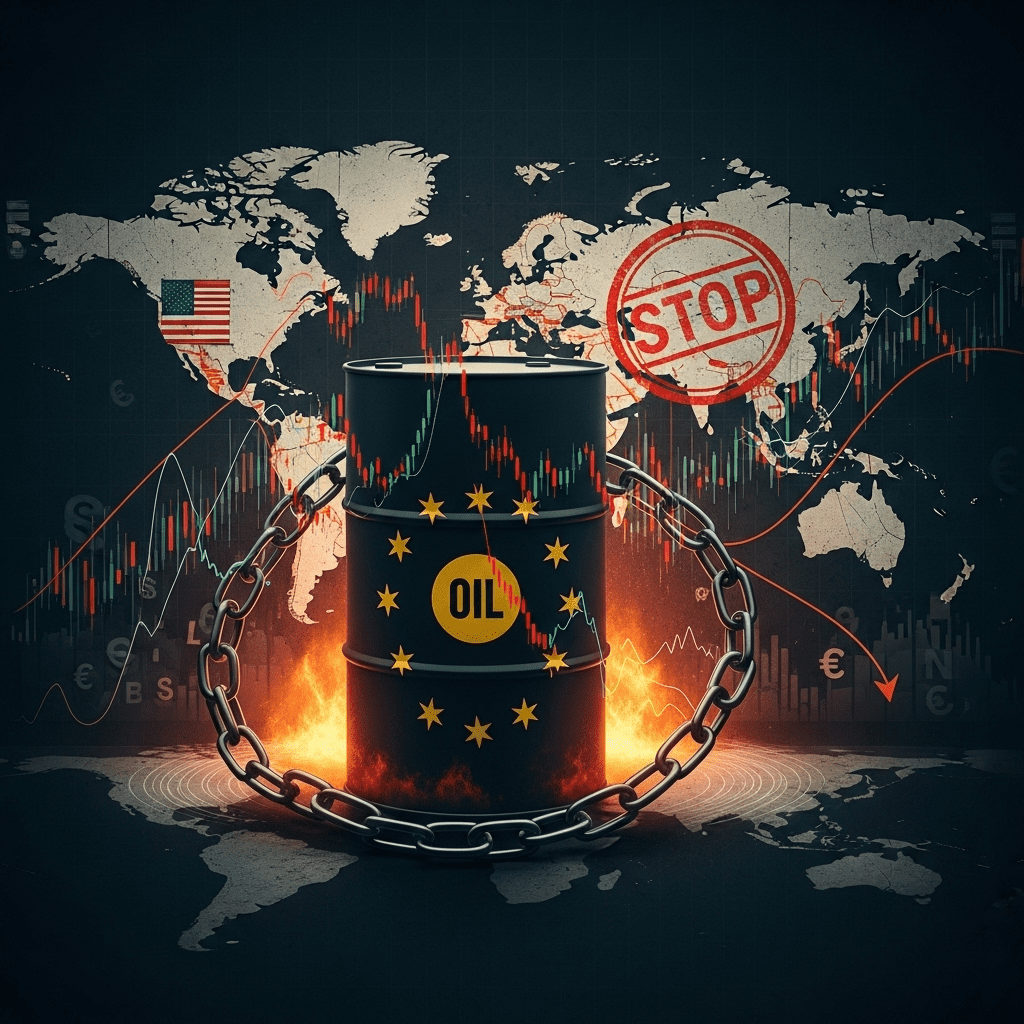
Crude oil falls after rally on US and EU sanctions as global oil futures reversed Thursday’s gains, closing nearly 2% lower on Friday. This comes after the United States and European Union jointly announced expanded sanctions targeting Russian energy exports in an effort to tighten pressure on Moscow amid continued geopolitical tensions. According to Bloomberg, Brent crude futures settled at $80.12 per barrel, down from Thursday’s intraday high of $82.47. The new measures include stricter enforcement on maritime oil shipments and financial transactions linked to Russian crude, aiming to reduce energy revenues funding Russia’s war effort. A senior U.S. Treasury official told Reuters, ”These coordinated actions demonstrate the commitment of Western allies to limit Russia’s ability to circumvent sanctions.” Both the WTI and Brent benchmarks initially spiked on the announcement but quickly fell back as traders assessed potential supply disruptions against fears of softer global demand.
Why It Matters
The pullback in crude oil following Thursday’s rally highlights the market’s sensitivity to sanctions and evolving geopolitical risks. Energy markets have witnessed sharp swings since 2022, when Russian exports first faced significant Western restrictions. Comparisons to previous episodes, such as the 2022 price cap agreement, show that initial price spikes are not always sustained as traders adjust positions on demand prospects and shifts in global supply chains. Analysts from Goldman Sachs noted that “while new sanctions could hamper some Russian supply routes, the immediate impact on aggregate market balances may be muted as other producers step in.” Broader market volatility also reflects investor unease about persistent inflationary pressures and the risk of recession in major economies. Energy sector equities and cyclical stocks remain particularly vulnerable to such swings.
Impact on Investors
For investors, the reversal in crude oil prices underscores both risk and potential opportunity in the energy sector. Stocks of integrated oil majors like ExxonMobil (XOM) and BP (BP) initially rose on Thursday before paring gains in line with spot prices. The volatility also rippled across commodities ETFs and index funds tracking energy. Market analysts caution that sanctions-driven moves can be short-lived; for example, USO, the United States Oil Fund, saw intraday net inflows but closed Friday off its highs. “The market remains highly headline-driven,” observed Samuel Grant, senior strategist at Morgan Markets. “While sanctions can spark rally attempts, structurally, global supply adaptability has tempered the upside for now.” Investors are advised to monitor policy developments and the OPEC+ response, while watching macro indicators like global PMI and oil inventory levels. Interested readers can find additional market analysis and investment insights for further context.
Expert Take
Analysts note that the resilience of global oil markets amid fresh sanctions reflects improved supply chain diversification since 2022. Market strategists suggest that only a material disruption in actual Russian exports or a meaningful demand shock will move crude meaningfully higher in the near term.
The Bottom Line
For now, crude oil falls after rally on US and EU sanctions as traders weigh the real market impact of new restrictions against broader economic headwinds. While volatility remains elevated, the longer-term direction will depend on both policy enforcement and global demand. Staying informed on sector trends is crucial for investors navigating this complex landscape—further resources are available in ThinkInvest’s latest coverage.
Tags: crude oil, sanctions, Russian energy, energy markets, stock market.