

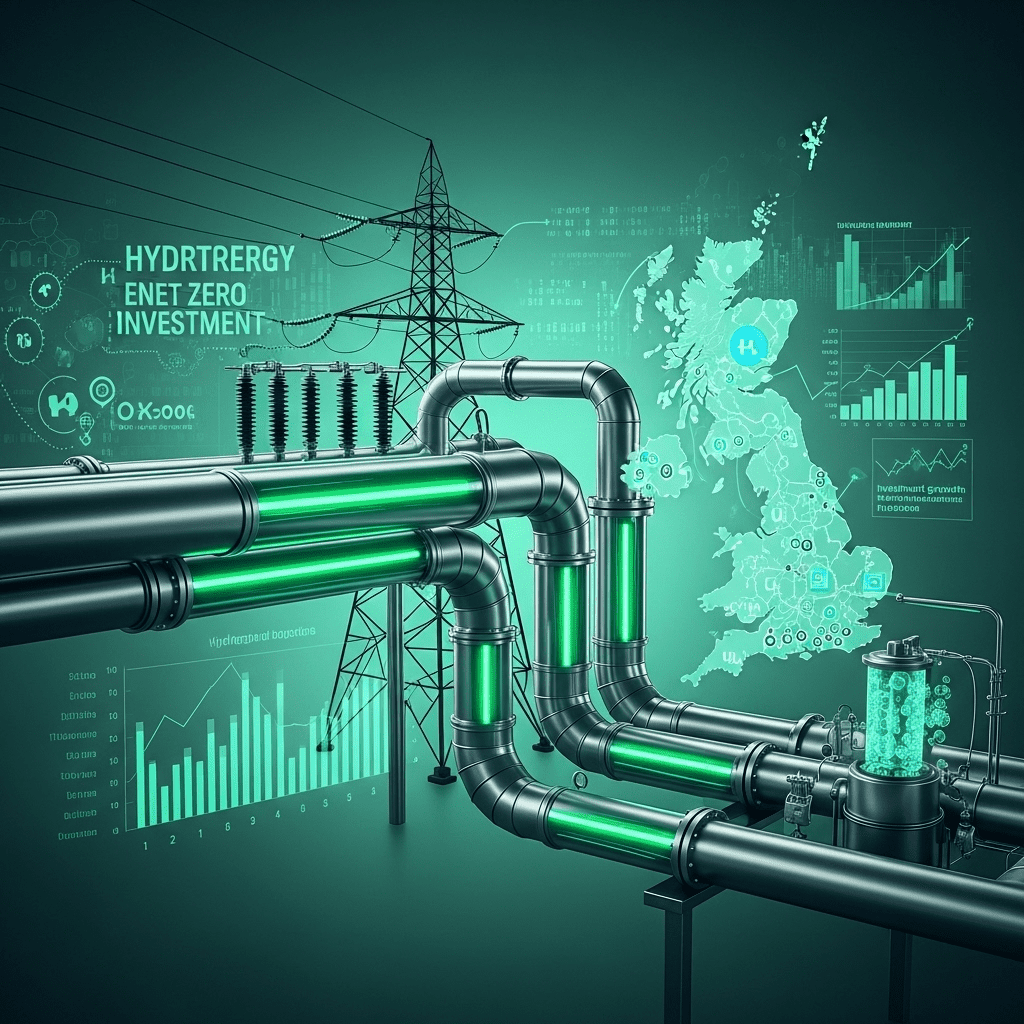
The successful hydrogen blending trial to power grid infrastructure marks a new era in the UK’s push towards net zero emissions and cleaner energy. Energy firms have reached a critical milestone, for the first time integrating hydrogen into the national gas network, signaling a transformative shift for investors and energy stakeholders.
Hydrogen Blending Trial to Power Grid: A Turning Point for UK Energy
The hydrogen blending trial to power grid networks involved adding up to 20% hydrogen to the existing natural gas supply, allowing both to flow through the same infrastructure. Led by a consortium of major energy companies, including National Grid and Cadent, the trial provided crucial data and operational insights into the technical and economic feasibility of hydrogen as part of the UK’s clean energy transition.
The trial—conducted at a specially selected segment of the local grid—demonstrated that blending hydrogen posed no significant risks to safety, gas quality, or end-user appliances. This paves the way for nationwide replication and future scaling. By proving hydrogen can safely supplement natural gas, energy majors can lower carbon emissions without the immediate need for complete infrastructure overhauls. For investors seeking ESG-aligned investments, this represents a significant opportunity as hydrogen’s role grows within diversified energy portfolios.
Industry Implications and Investment Potential
The UK government has set ambitious net zero targets by 2050, and hydrogen blending is emerging as a practical enabler. According to research from the Hydrogen Council, blending even 20% hydrogen in the gas grid could reduce CO2 emissions by up to 7% from heating applications. For utility providers and infrastructure operators, this trial offers reassurance that existing assets can be leveraged for the hydrogen economy, potentially deferring billions in replacement costs.
From an investment perspective, energy transition technologies are garnering increased attention. Companies involved in hydrogen production, electrolyzer technology, and grid management stand to benefit from further policy support and capital inflows. The trial’s success underpins the growing interest in sustainable finance and impact-driven capital allocation throughout the energy sector.
Policy Landscape and Market Drivers for Hydrogen Blending Trial to Power Grid
Regulatory approval was a cornerstone of this hydrogen blending trial to power grid. The UK’s Department for Energy Security and Net Zero (DESNZ) provided a special dispensation framework, with Ofgem overseeing technical compliance and safety. Industry experts believe these regulatory learnings will allow swifter rollouts for future projects across the British Isles as part of broader renewable energy targets.
Challenges and Next Steps
While the trial is widely heralded as a success, experts caution that scaling hydrogen supply remains a challenge. Green hydrogen production requires substantial renewable electricity and advanced infrastructure, such as electrolyzers, which are not yet widespread. However, this milestone has accelerated plans for additional pilots, aiming to blend hydrogen in industrial hubs and eventually reach residential and commercial properties at a national scale. Leading market analysts advise monitoring pilot expansions for signals of future growth opportunities and policy adjustments.
Long-Term Outlook: Hydrogen’s Role in Decarbonizing the Grid
The integration of hydrogen into natural gas supply stands as a critical bridge toward a net zero power grid. According to the UK Hydrogen Strategy, hydrogen blending could deliver near-immediate emissions reductions while supporting the build-out of a green hydrogen market and supply chain. Over the coming years, a combination of direct substitution, improved storage solutions, and sectoral integration will define the hydrogen opportunity for both the energy industry and investors looking for growth in sustainable energy markets.
In conclusion, the hydrogen blending trial to power grid networks fortifies the UK’s leadership in energy innovation and creates new prospects for responsible investment, infrastructure modernization, and the wider adoption of renewable gas technologies. The trial outcome will likely spur similar projects worldwide, shaping the future of clean energy delivery.




