




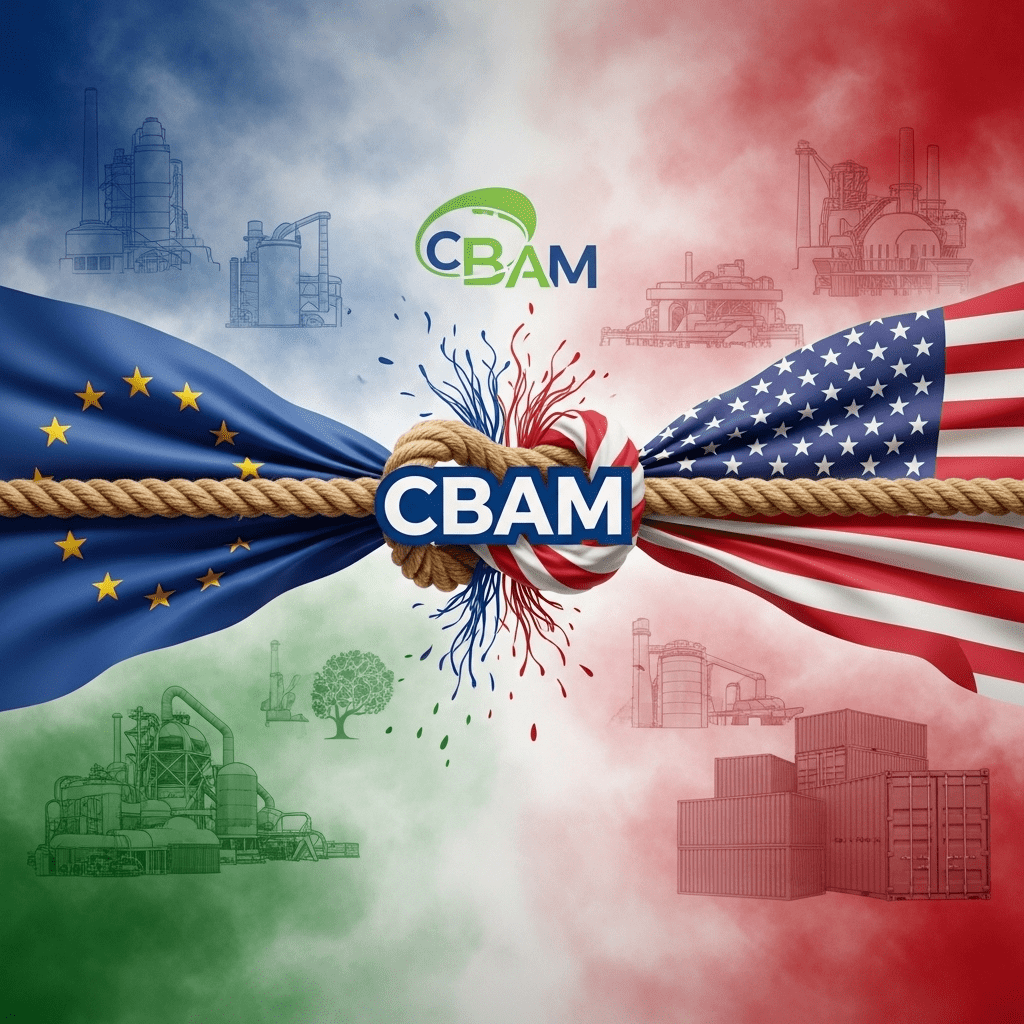
The ongoing friction as the EU climate rule threatens US trade deal prospects is reverberating through global economic and policy circles in 2025. As Europe enforces ambitious environmental regulations, concerns mount that transatlantic negotiations could stall, impacting markets and investment flows on both sides.
How the EU Climate Rule Threatens US Trade Deal Progress
At the heart of current disputes is the European Union’s Carbon Border Adjustment Mechanism (CBAM), a policy set to impose tariffs based on the carbon intensity of imported goods. While the rule supports the EU’s climate targets, US officials argue it introduces significant barriers to American exports—potentially violating existing trade pacts and undermining the spirit of free commerce. As the EU climate rule threatens US trade deal talks, businesses are bracing for added compliance costs and heightened market uncertainty.
CBAM: Policy Details and International Response
The EU’s CBAM targets industries like steel, aluminum, cement, fertilizers, and electricity. Exporters must now provide detailed emission data or face punitive tariffs—a move the US claims discriminates against its industrial base and raises protectionist concerns. High-level US officials have publicly criticized CBAM’s unilateral nature, warning it could provoke retaliatory measures and disrupt transatlantic supply chains.
Meanwhile, the EU defends the mechanism as essential for reaching its 2030 and 2050 emissions goals under the European Green Deal. EU negotiators insist that the rule levels the playing field for European firms investing in greener production, while fostering global climate action.
Economic Implications if the EU Climate Rule Threatens US Trade Deal
As talks stall, economists project that if the EU climate rule threatens US trade deal negotiations further, bilateral trade volumes could shrink by billions of dollars annually. Supply chain disruptions, tariff hikes, and regulatory divergence are likely to weigh heavily on exporters—especially in heavy industries and agriculture.
Global markets are already reacting, with sectors most exposed to EU exports experiencing volatility. US companies with significant European operations have warned of delayed projects and rising operational costs. According to the US Chamber of Commerce, up to $30 billion of annual trade is at risk if the dispute escalates, with downstream effects for investment, jobs, and innovation. For readers researching portfolio diversification strategies, understanding these cross-border risks is crucial for navigating the 2025 investment landscape.
Policy Negotiations and Diplomatic Efforts
Both Washington and Brussels have pledged to continue negotiations, despite the growing rift. US Trade Representative Katherine Tai seeks carve-outs for key American exports and mutual recognition of green standards, while EU officials maintain CBAM’s integrity is non-negotiable. The dispute has also drawn in the World Trade Organization, where the US lodged concerns over possible violations of trade rules. Diplomatic observers warn that unless compromise is found, broader economic cooperation—including tech and digital trade—could suffer. Policy watchers often look to macroeconomic updates to monitor ripple effects from such global regulatory disputes.
2025 Outlook: Key Sectors and Investor Strategies
With the EU climate rule threatening US trade deal resolutions in the near term, firms in energy-intensive sectors face increased competition and changing compliance obligations. Manufacturers of steel, chemicals, and machinery—major US exports to Europe—are especially exposed. Meanwhile, American agricultural producers warn that similar climate-linked tariffs could soon be extended to food and beverage products.
Sustainable Investment & Competitive Advantage
Despite the disruption, some investors see opportunity. Enforcement of the CBAM may accelerate the shift toward cleaner production and sustainable trade frameworks, benefiting companies already committed to low-carbon innovations. As governments on both sides move to align their climate priorities, early movers may enjoy favorable access or preferential financing. Interested in future-focused plays? Explore recent sustainable finance trends to see how ESG investing and climate policy are reshaping international portfolios.
Conclusion: Ongoing Stakes as EU Climate Rule Threatens US Trade Deal
As the EU climate rule threatens US trade deal negotiations in 2025, stakeholders across finance, industry, and government are closely analyzing new risks and realigning their global strategies. The months ahead will determine whether diplomacy prevails—or whether this regulatory rift marks a turning point for transatlantic economic relations. Stay tuned for policy updates and in-depth market analysis as developments unfold.