




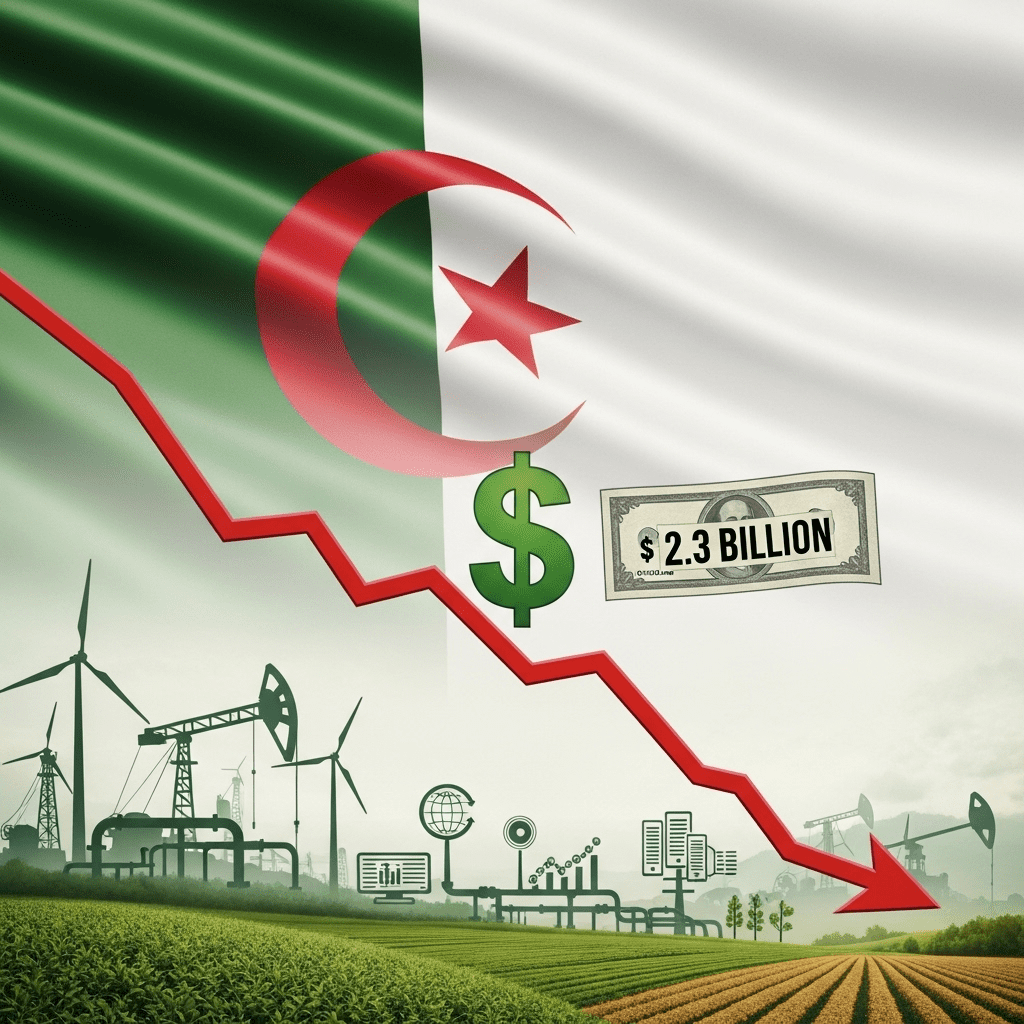
As energy prices fluctuate and hydrocarbon yields diminish, falling energy revenues force Algeria to plan $2.3-billion bond in a strategic bid to stabilize the economy and fund essential government programs. This unprecedented move highlights both the nation’s fiscal challenges and its evolving approach to balancing revenue streams in the face of persistent market volatility.
Why Falling Energy Revenues Force Algeria to Plan $2.3-Billion Bond
Algeria’s heavy dependence on hydrocarbons, particularly natural gas and crude oil, has historically underpinned its national budget. However, sharp declines in export revenues due to shifting global demand, competition from renewable energy, and price instability have left significant gaps in the country’s fiscal framework. Investment analysts underscore the urgency of Algeria’s financial pivot, noting that a $2.3-billion bond issue reflects a critical adaptation to safeguard public spending and maintain economic resilience.
The Changing Landscape: Algeria’s Oil & Gas Sector at Crossroads
Algeria’s oil and gas sector, once a regional powerhouse, now faces multiple headwinds. Over the past decade, production declines, limited foreign investment, and growing domestic consumption have squeezed export capacity. As neighboring countries diversify their energy mix and European partners seek alternative suppliers, the pressure on Algeria’s hydrocarbon revenues has intensified. These factors, compounded by the global transition to cleaner energy, have severely reduced foreign currency reserves.
From Hydrocarbons to Hard Choices: Fiscal Policy Implications
Given this environment, issuing bonds marks a significant shift from Algeria’s longstanding reliance on oil revenues. The $2.3-billion bond plan is designed to bridge acute budget deficits and inject new capital into critical sectors, from public infrastructure to social welfare programs. Algerian policymakers are keen to communicate that this is not a short-term patch, but rather a step toward embracing more robust and diversified fiscal tools. Financial experts observe that the move aligns Algeria with global best practices in sovereign debt management, even as the nation navigates unfamiliar territory.
What the Bond Plan Means for Algeria’s Economy
The government’s decision to float a $2.3-billion bond sends both reassurance and warnings to markets and citizens. On one hand, it enables Algeria to raise immediate funds without depleting foreign reserves or slashing public services. On the other hand, accumulating debt carries future repayment obligations and heightened scrutiny from international investors. For Algeria’s economy, success hinges on the government’s ability to restore oil output, attract foreign direct investment, and diversify export offerings.
Potential Opportunities for Investors and Industry Stakeholders
With the bond issuance, Algeria opens new channels for local and international investors seeking exposure to the region’s financial instruments. Analysts forecast that the government will offer competitive terms, reflecting both the nation’s credit needs and the incentives required to attract buyers. For global energy companies and resource investors, this policy change represents a call for innovation and partnership—an opportunity to support Algeria in its transition and potentially shape new joint ventures in energy, infrastructure, or renewables. Industry watch groups are monitoring how this debt strategy could affect longer-term stability and foreign engagement.
Broader Implications: Policy Reform and Sustainable Growth
Algeria’s $2.3-billion bond initiative is expected to catalyze broader economic reforms, including improved governance, regulatory transparency, and a renewed commitment to economic diversification. Observers hope it will signal greater flexibility in opening domestic markets and reforming subsidy structures. Policymakers must now balance fiscal discipline with targeted investment in sectors such as technology, agriculture, and tourism—creating new jobs and revenue streams less vulnerable to commodity shocks.
Regional Outlook: Lessons Beyond Algeria
Algeria’s response to declining energy revenues offers a lesson for other oil and gas-dependent economies across Africa and the Middle East. By shifting towards capital markets and strategic borrowing, Algeria may foreshadow a larger regional trend as governments adapt to a changing energy landscape and unpredictable commodity cycles.
Conclusion: Adapting to a New Economic Reality
The decision to raise $2.3 billion via bonds illustrates how falling energy revenues force Algeria to plan $2.3-billion bond issuance, catalyzing momentous change in fiscal strategy. Whether this move achieves its goals will depend on effective execution, investor confidence, and continued momentum towards diversification. For global observers, this development serves as a crucial barometer for the future of energy-dependent economies in the post-pandemic era. For ongoing analysis and insights into emerging energy markets and financial strategies, visit leading investment resources online.