





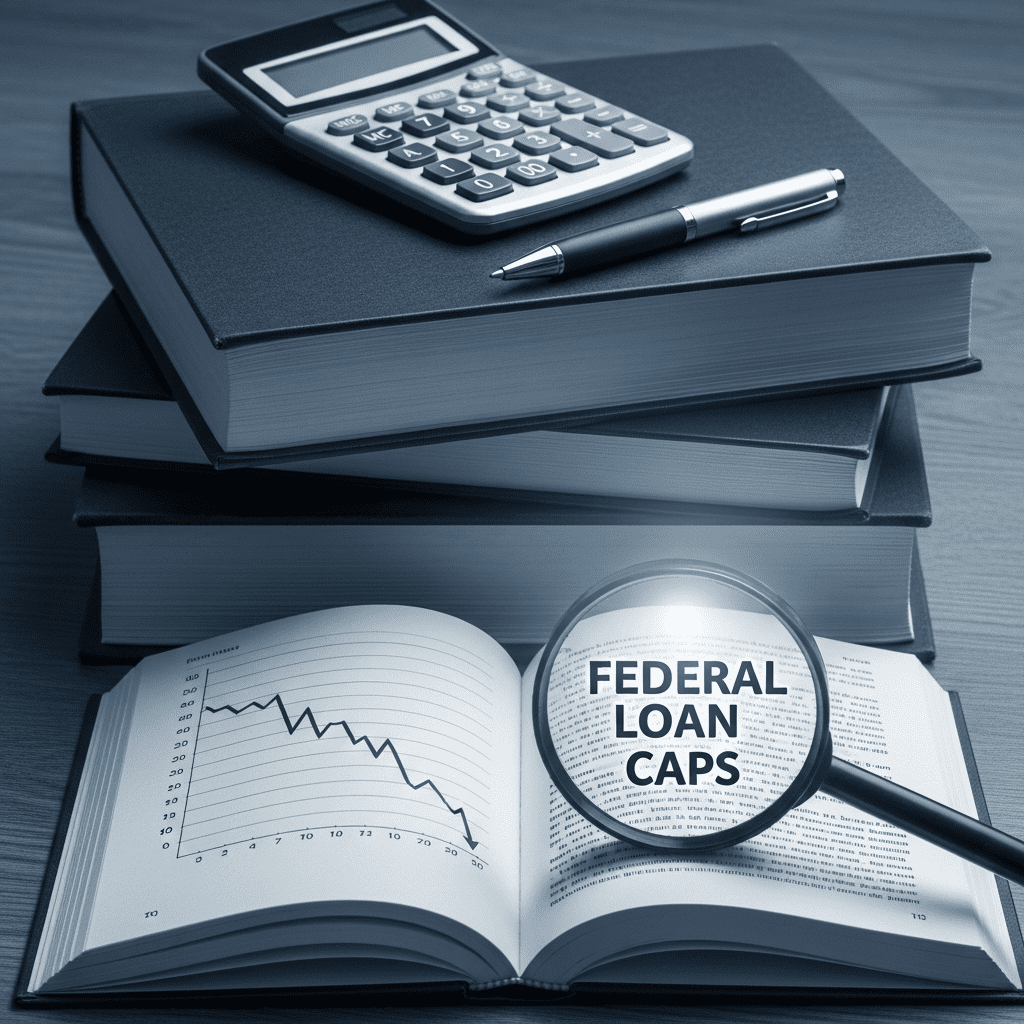
Lawmakers announced sweeping changes to federal loan limits for college—Parent PLUS borrowers at U.S. Education Solutions ($EDSO) will now face stricter caps. The unexpected federal loan limits for college spark urgent questions for families planning 2025-26 tuition payments.
Federal Loan Limits for College Drop: PLUS Borrowers Face $20K Cap
The U.S. Department of Education, working with Congress, revealed a reduction in Parent PLUS loan maximums—from $31,000 to $20,000 per student annually beginning with the 2025-26 academic year. According to Education Department statistics, more than 795,000 families accessed PLUS loans last year, with aggregate borrowing surpassing $12.3 billion in 2024 (source: Federal Student Aid Data Center, July 2024). The new rules affect all new applications submitted after July 1, 2025, and are designed to curb overall family debt exposure amid rising concerns about loan delinquencies. For comparison, average annual tuition at four-year public universities reached $10,940 in 2024–25, while private nonprofit colleges averaged $41,540 (source: College Board, Trends in College Pricing 2024). These limits are the first significant adjustment since 1992, signaling a clear shift in federal higher-education lending policy.
How Lower Federal Loan Caps Could Impact College Access and Costs
Analysts warn that reduced federal loan limits for college may compound existing affordability pressures for many middle-class and upper-middle-class families, already squeezed by tuition inflation averaging 4.2% annually since 2020 (College Board). Without access to previous PLUS loan levels, families could face wider funding gaps, potentially driving increased demand for private student loans, which typically carry higher rates—averaging 6.87% for fixed-rate private loans in mid-2024 (source: Credible.com market survey, May 2024). For colleges, lower federal lending caps could impact enrollment, particularly at higher-cost private institutions, and accelerate shifts in student demographics. Financial advisors note the reform may alter demand across the education sector, echoing historical enrollment dips after the 2008-2010 tightening of federal aid programs.
Positioning Your Portfolio Amid Shifting College Lending Policy
Investors tracking the student loan sector, as well as financial institutions exposed to private education loans like SLM Corporation ($SLM) and Discover Financial Services ($DFS), should monitor shifting volume projections and origination risk as federal loan limits for college take effect. Lower caps may drive more borrowers toward private lenders, possibly increasing origination risk but boosting profit margins in the sector. Long-term, education-focused ETFs and municipal bond funds tied to college capital projects may see slower inflows. For broader portfolio protection, investors can follow latest financial news about policy reform, and seek insights in investment strategy updates as federal loan policy evolves. The move also warrants careful attention from those holding positions in for-profit higher education businesses, which historically have seen volatility linked to changes in student aid.
What Market Strategists Expect on College Affordability and Lending
Industry analysts observe that while short-term adjustments may disrupt the education lending market, the federal cap reduction is expected to drive innovation in alternative financing—such as income share agreements and employer-sponsored tuition programs. According to market consensus gathered by NASFAA and Bloomberg Education Finance (Oct 2024), families and investors should anticipate heightened scrutiny of both college cost growth and the private lending sector through 2026 as the new rules take hold.
College Funding Shift: Federal Loan Limits for College Reshape 2025
With new federal loan limits for college set to reduce annual borrowing, families must re-evaluate their financing strategies ahead of the 2025-26 academic year. Watching tuition trends, private loan rate shifts, and alternative funding options is critical. Investors and parents alike should closely monitor policy signals and sector data as this sharp funding reset unfolds across higher education.
Tags: federal loan limits, student loans, education sector, $EDSO, college affordability