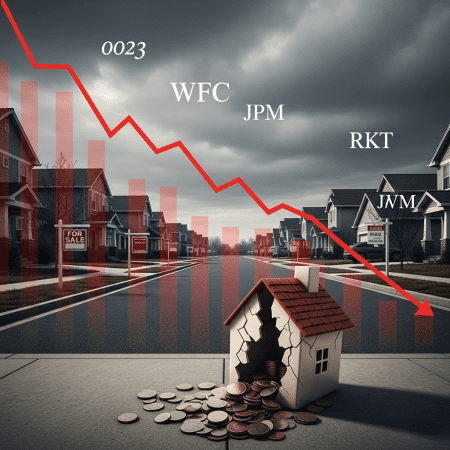






Redfin ($RDFN) revealed that skyrocketing flood insurance costs, driven by a mounting climate threat, sparked a record exodus from major US metros in 2025. As more Americans reassess where to live, the climate threat moving US metros is unexpectedly steering housing and investment trends.
Flood Insurance Premiums Soar 83%, Triggering Mass Moves in 2025
Between January and September 2025, US cities like Miami, Houston, and New Orleans saw a net population loss of 180,000 residents, according to Redfin’s internal migration tracking. The exodus gained momentum after the Federal Emergency Management Agency (FEMA) announced average flood insurance premiums would rise 83% nationwide compared to 2020 prices, with some coastal ZIP codes experiencing increases above 200%. Moody’s Analytics ($MCO) estimates that home values in FEMA-designated flood zones in Miami fell 5.4% year-over-year through August 2025, underperforming the wider market. Latest financial news confirms a surge in insurance applications and inquiries in lower-risk inland markets as buyers seek protection from this escalating risk (sources: Redfin, FEMA, Moody’s Analytics).
Why Real Estate and Insurance Markets Respond Sharply to Climate Risk
Higher flood risk is reshaping not only migration but core US housing and insurance markets. The American Property Casualty Insurance Association reports a 32% drop in new homeowners insurance policy issuances within severe risk counties in 2025 compared to the previous year. Meanwhile, the National Association of Realtors data shows median listing times in Florida’s highest-risk counties rose to 54 days in Q3 2025, up from 37 days in Q3 2023. Historical comparisons reveal that climate-driven migration was once limited to smaller, disaster-prone towns, but is now influencing major urban areas. Experts link this trend to both increased disaster frequency and state policy responses tightening insurance market rules.
Investor Strategies: Hedging Portfolios Against Regional Climate Threats
Investors with exposure to real estate REITs such as Prologis ($PLD) and insurance stocks like The Travelers Companies ($TRV) may face elevated volatility. Regional banks with significant mortgage portfolios in Florida, Louisiana, and Texas have ramped up reserve requirements as loan default risk edges higher, per S&P Global figures. Long-term investors may reassess geographic diversification—allocating toward REITs with more inland or diversified property assets—or increase holdings in climate technology ETFs. For further context, stock market analysis and investment strategy coverage highlight how asset classes are shifting. Shorter-term traders can monitor insurance rate filings and FEMA announcements for catalysts impacting property, financial, and insurance shares.
Analysts Say Climate Migration Trends May Accelerate Through 2026
According to analysts at Morgan Stanley and industry observers, there is little indication that the exit from high-risk metros will slow in the near term. Early 2025 data already suggests increased migration from vulnerable coastal regions to inland cities. Market consensus suggests that unless there is meaningful investment in flood mitigation, pricing imbalances and insurance premiums are likely to persist, further impacting both real estate and capital markets.
Climate Threat Moving US Metros Signals a Shift for Investors in 2025
The climate threat moving US metros is no longer a theoretical concern—investors must weigh exposure to high-risk geographies with unprecedented urgency. Watching migration data, insurance filings, and FEMA policies will be essential in the coming quarters, as these variables increasingly drive asset values and risk. The lesson in 2025: adapt portfolios or risk being left behind by the next wave of climate-driven capital shifts.
Tags: climate risk, flood insurance, migration, real estate, $RDFN