





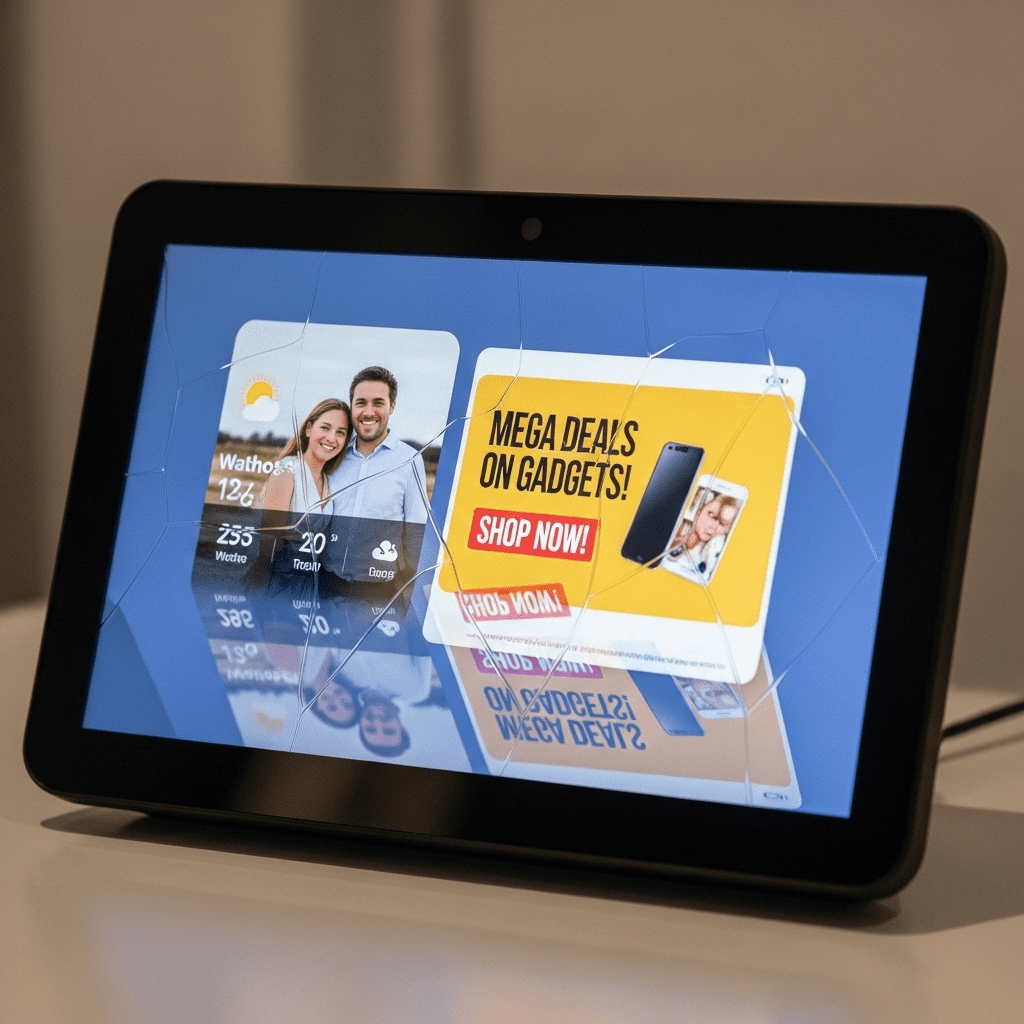
In 2025, many users agree that Amazon’s giant ads have ruined the Echo Show, turning what was once a tasteful smart display into a billboard for promotional content. This shift poses important considerations for those invested in smart home technology, as well as for companies seeking to balance product value with monetization.
How Amazon’s Giant Ads Have Ruined the Echo Show User Experience
The Echo Show was introduced as a pivotal smart display, designed to integrate seamlessly into homes, facilitate productivity, and provide personalized information. However, over the past year, Amazon’s giant ads have ruined the Echo Show for many early adopters. Intrusive banners now surface on the screen, pushing cross-promotions and shopping suggestions, often at the expense of the user experience.
For users who invested in the Echo Show as a productivity tool, these oversized ads interrupt workflows and undermine utility. The device’s screen, previously reserved for weather updates, calendar events, and timers, is now cluttered with promotional offers. This persistent advertising detracts from the device’s original promise and diminishes its value over time.
Market Impact and Changing Consumer Perceptions
The surge in aggressive advertising reflects broader trends in the smart device industry. With competition tightening and margins thinning, companies like Amazon are looking for new revenue streams. Yet the decision to prioritize sponsored content on flagship devices has drawn criticism in industry circles. Consumer review platforms report a significant uptick in complaints, with many echoing concerns that Amazon’s giant ads have ruined the Echo Show as a premium display solution.
The backlash also highlights a pivotal issue for investors and technology companies alike: when does ad monetization cross the line and compromise customer loyalty? It’s a question smart-home industry analysts will continue debating in the months ahead.
Financial Implications for Smart Home Investors
From an investment perspective, Amazon’s strategy has ripple effects. As the proliferation of giant ads undermines user satisfaction, the perceived differentiation of the Echo Show declines. Competitors such as Google and Apple, who have thus far avoided aggressive on-device advertising, may benefit. Investors keen on emerging smart home trends are closely monitoring customer sentiment, which can influence both short-term sales and long-term brand equity. For further analysis, consider reviewing recent investment insights into the smart device market.
Exploring User Alternatives as Amazon’s Giant Ads Have Ruined the Echo Show
Consumers’ frustration has given rise to a renewed interest in alternative solutions. Some are turning to displays from other manufacturers, while others are seeking out DIY approaches to avoid unwanted ads. Forums dedicated to smart home setups share extensive threads on disabling or working around promotional screens. However, Amazon tightly controls its ecosystem, making such actions labor-intensive or in some cases impossible.
This environment of forced exposure to ads pushes some users to reconsider future spending on smart devices. An industry-wide lesson emerges: excessive advertising can erode customer trust and shift demand, ultimately impacting the bottom line. For those looking to diversify their smart home strategy, reviewing portfolio diversification within the technology sector is increasingly valuable.
Strategic Outlook: What’s Next for the Echo Show?
Amazon’s leadership faces a crucial decision—maintain ad-driven revenue streams or realign with consumer preferences to preserve the Echo Show’s market standing. Internal reports suggest that while ad revenue grew significantly in 2024, customer retention in this segment is softening. The challenge lies in restoring balance: ads that inform rather than overwhelm, and features that delight rather than deter.
As investor focus shifts to brands adopting a customer-centric approach, the Echo Show’s trajectory may serve as a cautionary tale. For ongoing updates on technology and smart device trends, explore recent industry briefings.
Conclusion: The Lasting Effects as Amazon’s Giant Ads Have Ruined the Echo Show
Amazon’s giant ads have ruined the Echo Show for average consumers and technology enthusiasts seeking a distraction-free smart home hub. As the marketplace reacts, both in user behavior and investment flows, one truth becomes clear: in 2025, sustainable tech leadership will depend on balancing revenue with genuine customer value.