

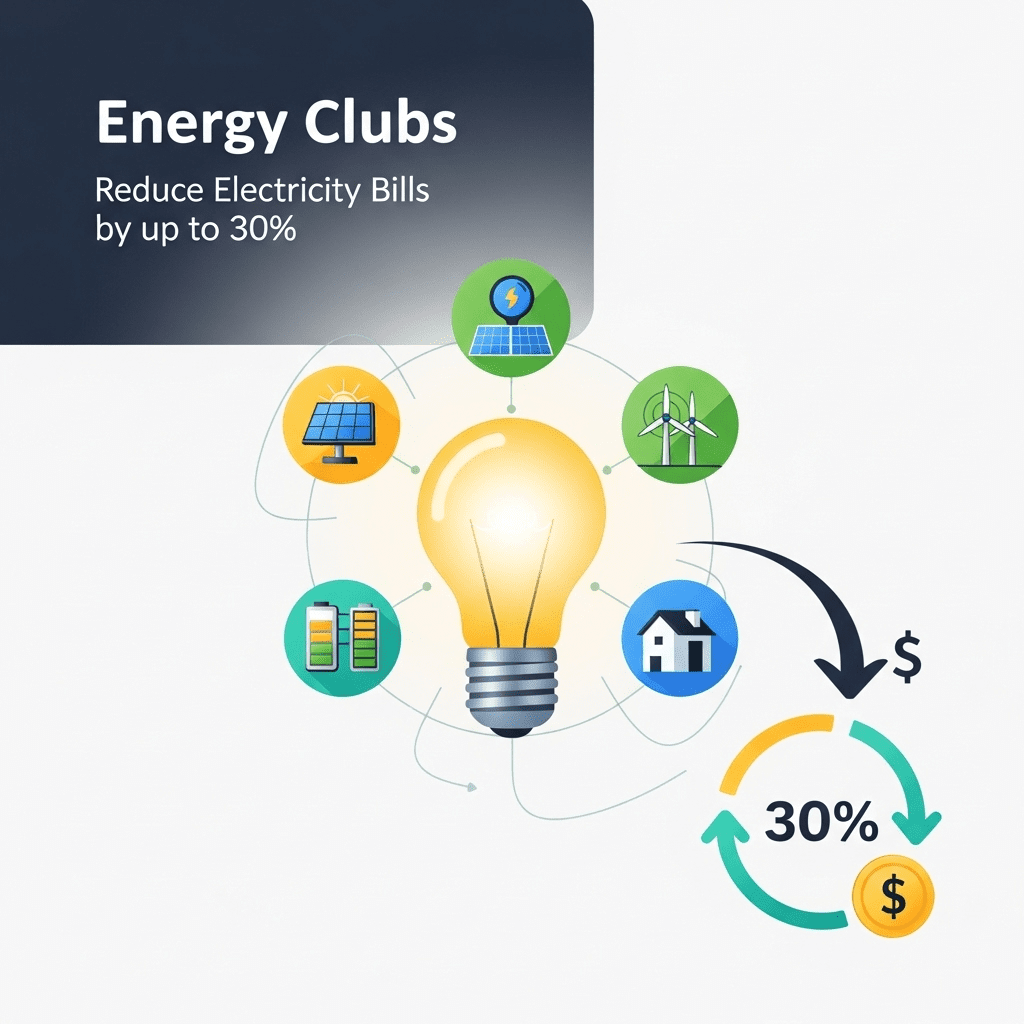
As utility costs surge and the demand for affordable, sustainable energy grows, many consumers are seeking creative solutions. This has brought a growing spotlight to the concept of collective action—specifically, how energy clubs offer chance to reduce electricity bills by up to 30%. By pooling resources, households and businesses leverage the power of group buying, gaining access to wholesale rates, enhanced energy efficiency, and greater market stability.
How Energy Clubs Offer Chance to Reduce Electricity Bills by Up to 30%
Energy clubs, also called energy cooperatives or community energy groups, are collectives that enable members to purchase electricity together, negotiate better rates, and sometimes even invest in localized renewable generation. These clubs are steadily rising across Europe, North America, and other energy markets, driven by cost pressures, regulatory shifts, and growing consumer awareness.
By aggregating demand, energy clubs can secure bulk discounts from suppliers or produce their own power from solar, wind, or local microgrids. The result: participants routinely report savings between 15% and, in leading cases, up to 30% on their monthly power bills. This group-based approach not only saves money, but also supports the shift to greener, more decentralized energy sources.
Understanding the Operational Model of Energy Clubs
At their core, energy clubs function much like buying groups in other sectors. Members—ranging from individual homes to small businesses—combine their consumption data and negotiating power. The club then seeks the best energy contracts or invests collectively in shared clean energy assets. Transparency, democratic governance, and careful vendor selection are central principles.
Some energy clubs contract energy brokers or utilize AI-powered platforms that analyze market data, select optimal supply agreements, and automate trading. Others focus on building or financing solar farms, wind turbines, or battery storage that directly supply clean power to members at a reduced and stable rate.
Financial Advantages and Long-Term Impact
The financial case for joining an energy club is compelling. Not only do members benefit from reduced tariffs—often negotiated at rates below the lowest retail offers—but they also gain protections against future price volatility. With electricity prices in some regions increasing by double digits annually, this predictability can be crucial for household and business budgeting.
Research from the European Federation of Energy Cooperatives and peer-reviewed market studies show that organized energy clubs have collectively saved members over $250 million in the past three years. Many also offer dividend-style returns, reinvesting surplus profits into local infrastructure, demand response upgrades, or further productivity gains.
ESG Alignment and Green Credentials
For organizations and individuals focused on environmental, social, and governance (ESG) objectives, energy clubs present added appeal. By investing in renewables and reducing reliance on centralized, fossil-fuel-based grids, members shrink their carbon footprints and contribute to energy transition targets.
ESG-minded investors and those seeking new investment insights will note that community-led energy groups have received increasing institutional interest. As regulatory frameworks strengthen around sustainability reporting, participation in a recognized energy club could soon become an important marker of corporate or social responsibility.
Potential Risks and Regulatory Considerations
While energy clubs offer significant savings, it’s important to be aware of potential pitfalls. Regulatory hurdles in some regions may limit market access or impose additional compliance costs. Governance structures must be robust, transparent, and capable of protecting all members’ interests, especially in clubs involving pooled investments.
Moreover, the financial health of the club—dependent on market conditions, long-term supply contracts, and technology performance—should be regularly audited. Seeking professional guidance or connecting with established networks can help mitigate risks and offer further savings. Learn more about balancing risk in community ventures with these financial tools.
How to Join or Form an Energy Club in 2025
With digital platforms and regulatory support growing, joining an energy club is increasingly straightforward. Many established organizations offer simple onboarding for individuals and small businesses; others allow groups to form new clubs in their local community. Steps typically involve registering interest, sharing energy usage data, and participating in contract negotiations or community meetings.
For those considering starting their own club, guidance and resources are widely available from energy cooperatives, local authorities, and sector experts. In some markets, government grants or technical support can further reduce upfront costs and speed up deployment. Access the latest trends in sustainable infrastructure and renewable energy markets to stay ahead.
Conclusion: Energy Clubs Power Sustainable, Affordable Futures
As the global energy landscape evolves, energy clubs are emerging as powerful tools to democratize electricity markets, drive down costs, and accelerate clean energy adoption. By collaborating on purchasing and production, members realize substantial financial savings—up to 30% on bills—while advancing broader environmental and social goals. In 2025, joining an energy club may be one of the most pragmatic, forward-looking steps for households and businesses navigating a volatile energy market landscape.




