





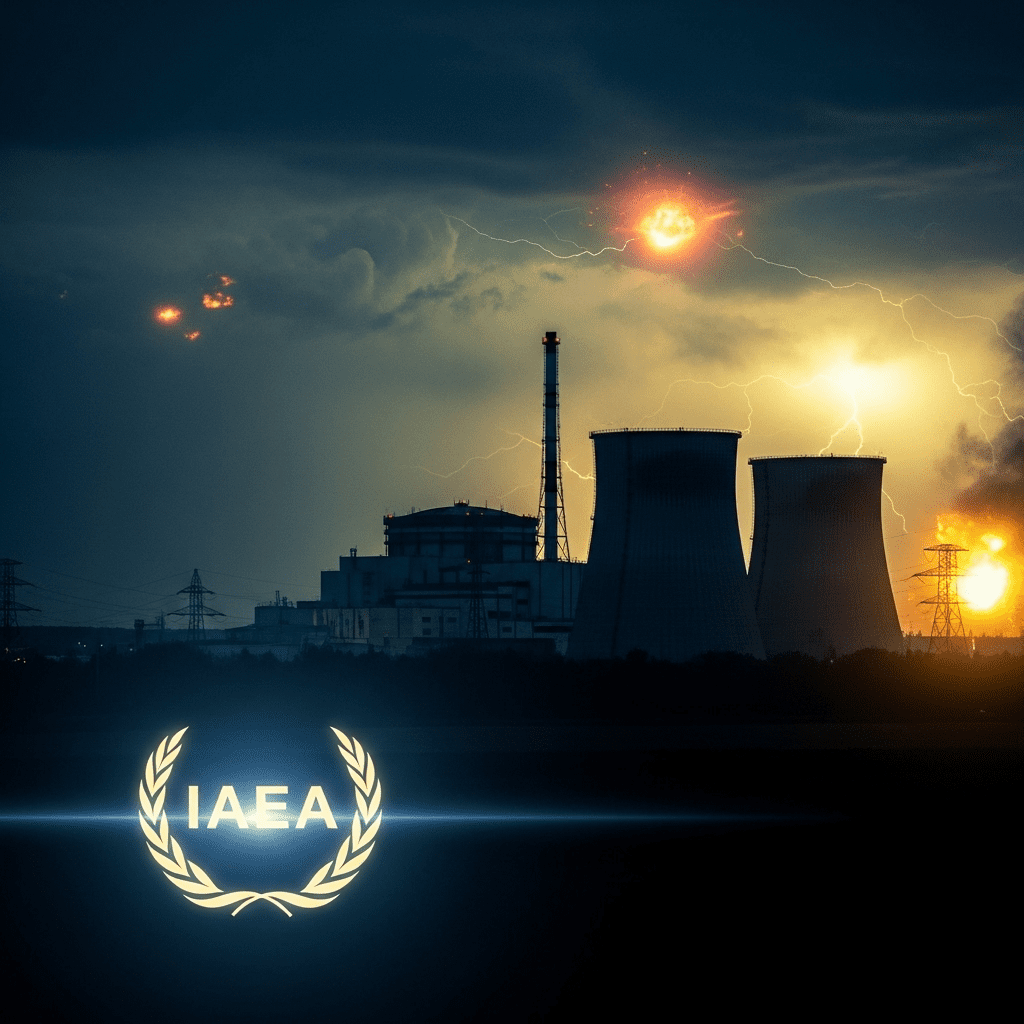
The IAEA moves to restore power to Zaporizhzhya Nuclear Plant amid escalating risks in Ukraine, a development that is intensifying debates across the global energy sector. As critical infrastructure remains threatened, the International Atomic Energy Agency’s rapid intervention highlights both the vulnerabilities and the strategic importance of nuclear assets in conflict zones.
IAEA Moves to Restore Power to Zaporizhzhya Nuclear Plant: Strategic Implications
The Zaporizhzhya Nuclear Plant, Europe’s largest, has faced repeated operational disruptions due to ongoing geopolitical tensions. In recent weeks, concerns about a complete power loss have elevated international alarm, leading the IAEA to take decisive steps to secure offsite power connections and support backup systems. This move not only aims to prevent a catastrophic nuclear incident but also underscores the growing complexity of maintaining energy resilience in regions marked by conflict.
IAEA officials have underscored that sustained access to external electricity is essential for the plant to maintain safe cooling processes for its reactors. Any prolonged outage risks overheating, with potential consequences extending far beyond Ukraine’s borders. This situation raises serious questions for investors and policymakers about the future of nuclear energy security, and the larger implications for European energy markets and supply chains.
Escalating Risks in the Context of Ongoing Conflict
The deteriorating security environment around Zaporizhzhya has led to emergency protocol activation on multiple occasions. The facility’s reliance on a tenuous grid connection highlights the inherent fragility of energy infrastructure during armed conflict. IAEA teams, deployed on-site, are working closely with national operators to assess safety status and develop contingency measures, reflecting a robust commitment to risk mitigation.
For observers in the global finance community, the latest IAEA intervention illustrates the atypical risks now associated with energy assets in unstable regions. The potential for radiological incidents or prolonged supply disruptions remains a scenario that regional governments and private sector actors must consider in their resilience strategies.
Broader Energy Security and Market Repercussions
The IAEA’s operations at Zaporizhzhya reverberate throughout international energy markets. Nuclear facilities account for a significant portion of Ukraine’s electricity, and the threat of a prolonged shutdown or malfunction could exacerbate already volatile energy prices in Europe. Investors monitoring the energy transition are paying close attention to these developments, as they weigh the risks and opportunities inherent in the nuclear sector.
The episode also renews discussions around diversification strategies, grid modernization, and the role of renewables. Many industry analysts have noted that a single point of failure—such as Zaporizhzhya—can have far-reaching effects in tightly interconnected energy systems, impacting everything from regional economic stability to supply chain management.
IAEA’s Role: Strengthening Regulatory Oversight and Global Collaboration
The IAEA’s response sets a precedent for how international agencies coordinate technical, regulatory, and safety efforts in crisis situations. By sending technical experts, issuing situation updates, and advocating for protected access corridors, the agency is demonstrating the necessity for unified international action when dealing with nuclear safety risks.
This case also propels the issue of nuclear plant security up the agenda for global regulators, prompting new conversations about best practices, resilience investments, and the extension of bilateral and multilateral security assurances in the civil nuclear domain.
Investment Outlook: Navigating Uncertainty Amid IAEA Moves to Restore Power to Zaporizhzhya Nuclear Plant
For institutional investors, utility firms, and energy market analysts, the IAEA moves to restore power to Zaporizhzhya Nuclear Plant are more than a headline—they are a live case study in operational risk and geopolitical exposure. Positioning portfolios to manage these risks may require recalibrating models to include factors such as conflict resilience, international regulatory intervention, and the shifting balance of energy production.
As the world pursues energy diversification in 2025 and beyond, events at Zaporizhzhya illustrate the need for agile, informed decision-making. Stakeholders would do well to monitor how the IAEA’s ongoing actions continue to shape the outlook for both nuclear safety and energy investment across Europe and globally.