

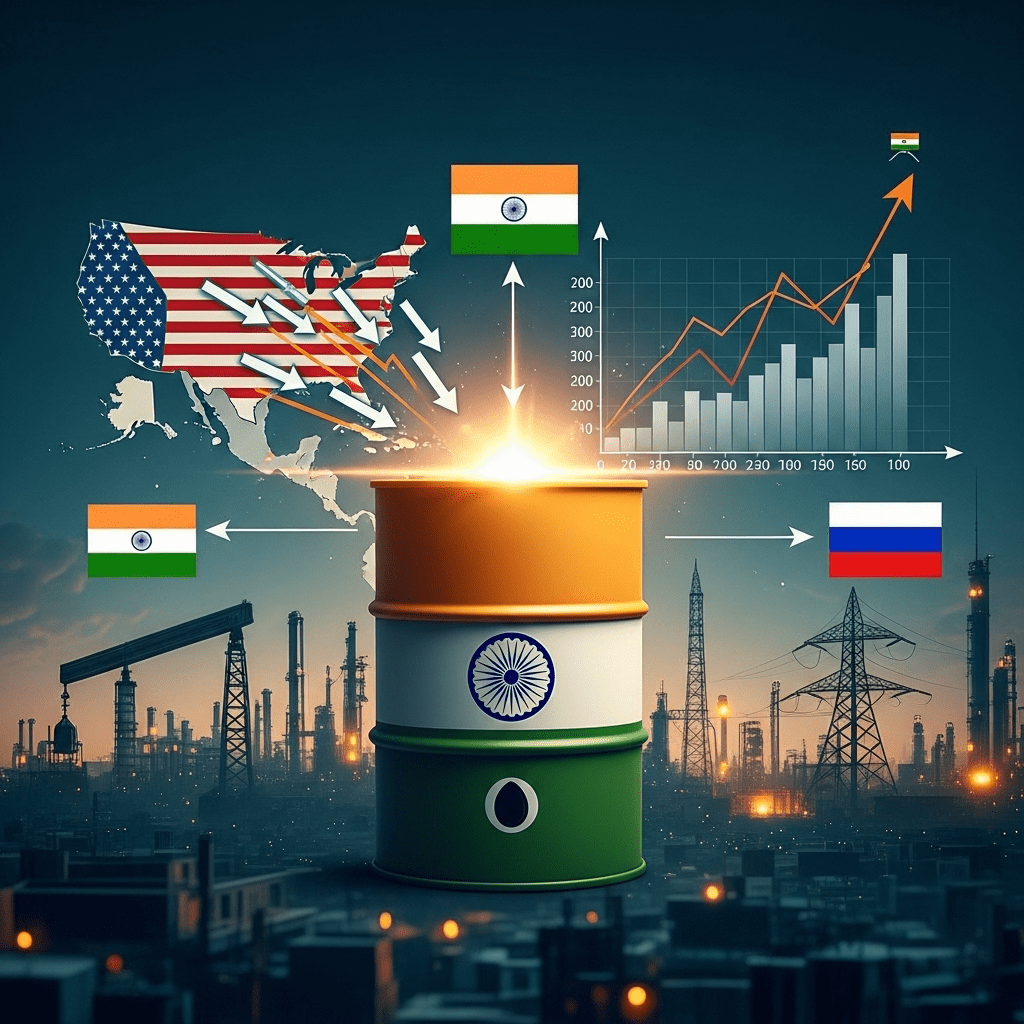
India says consumers are priority amid U.S. pressure to cut Russian oil, reinforcing its commitment to affordable energy for its population even as geopolitical tensions rise. As the world’s third-largest oil importer, India’s stance has global implications for oil markets, investment sentiment, and the evolving energy landscape in 2025.
India Says Consumers Are Priority Amid U.S. Pressure to Cut Russian Oil
In recent months, India’s energy ministry has repeatedly stated that Indian consumers come first, particularly as the U.S. intensifies diplomatic efforts to curb oil exports from Russia. New Delhi has pushed back against Western criticism, arguing that access to stable and affordable oil supplies is crucial for supporting domestic economic growth and controlling inflation. This position sends a clear message: despite mounting international scrutiny and threats of secondary sanctions, India’s oil procurement policy will not compromise its citizens’ interests.
The Strategic Importance of Russian Oil for India
India’s reliance on discounted Russian crude has grown since 2022, as Western sanctions on Moscow have redirected export flows to Asian markets. Official data indicates that Russian oil accounted for over 35% of India’s crude imports in early 2025, up from 2% before the Ukraine conflict. These imports are often priced below global benchmarks, resulting in cost savings for Indian refiners and helping the government shield its population from global price shocks.
Washington’s Diplomatic Pressure Versus New Delhi’s Pragmatism
The U.S. government has urged countries, including India, to align more closely with G7 price caps and cut back purchases of Russian crude. Nevertheless, New Delhi has emphasized its right to make sovereign decisions regarding energy security. At a recent energy summit, Indian officials stressed that the nation’s 1.4 billion people cannot be put at risk because of shifting geopolitical alliances. “We will always prioritize the interests of our domestic consumers,” one senior official stated, underscoring the government’s position.
Global Oil Markets: Investment and Policy Impacts
The focus on consumers amid U.S. pressure to cut Russian oil has broad implications for global oil markets and investment strategies. India’s steadfast approach has contributed to a rebalancing of global supply chains, while also presenting opportunities and risks for investors. With the government’s preference for diversified suppliers, Indian refining margins may remain resilient even if the supply landscape evolves.
Energy Security and Inflation Management
Ensuring energy security and managing inflation remain top concerns for India in 2025. By prioritizing affordable Russian crude, India has been able to stabilize pump prices, buffer fiscal deficits, and support manufacturing activity. This strategy is particularly relevant at a time when volatile oil markets threaten recovery in emerging economies. Investors looking for macroeconomic stability in Asia may find India’s approach both pragmatic and protective.
Implications for Renewable Energy Transition
While India has made significant investments in renewables, fossil fuels remain critical as a bridge during the energy transition. The government’s insistence on uninterrupted oil supplies allows time for the continued rollout of solar, wind, and green hydrogen initiatives. For stakeholders monitoring sustainable investing trends, India’s balancing act underscores the complexities of climate policy in high-growth markets.
Emerging Opportunities in Energy Investments
Market analysts believe that India’s refusal to bow to U.S. pressure could open new avenues for energy investments. Domestic firms may benefit from predictable input costs, enhancing profitability. Simultaneously, international players may seek joint ventures with Indian refiners to capitalize on long-term demand stability. As highlighted in emerging markets research, such moves could influence sectoral growth and portfolio rebalancing in 2025.
Outlook for Policy and Partnerships
Going forward, India’s emphasis on consumer-focused energy policy is unlikely to waver unless there are substantial changes in the geopolitical or price environment. The Indian government continues to engage diplomatically with both Western and Russian counterparts, seeking to maintain a careful balance. As major elections and ongoing global tensions play out, investors and policymakers will closely watch how India navigates this complex landscape. Its strategy may ultimately set precedents for other large importing nations facing similar trade-offs between geopolitical alignment and domestic welfare.
In summary, the stance that India says consumers are priority amid U.S. pressure to cut Russian oil reflects the intricate interplay between international politics, national security, and citizen welfare. The evolution of India’s energy policy in 2025 will remain a key focus for global investors, market analysts, and policymakers alike.




