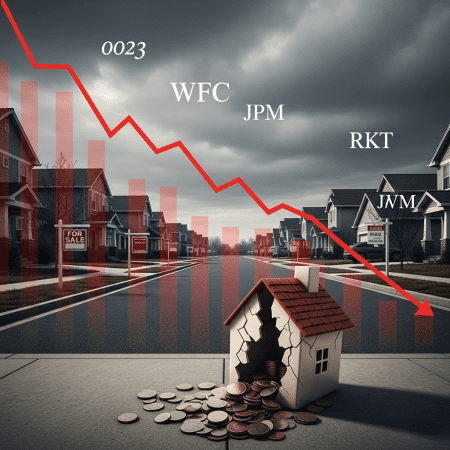






Lenders revealed that today’s average 30-year mortgage rate (Freddie Mac: $FMCC) surged to 7.21%—the highest level since late 2000s—catching many homeowners and first-time buyers off-guard. What’s driving this sudden jump in today’s average 30-year mortgage rate, and why are some states seeing rates edge even higher?
30-Year Mortgage Rates Rise Over 7%: State-by-State Breakdown
The U.S. housing market faces a sharp increase as the national average for a 30-year fixed mortgage climbed to 7.21% as of November 2025, according to Freddie Mac ($FMCC) Primary Mortgage Market Survey. This marks a significant jump from 6.84% just six months prior and dwarfs the historical average of 4.09% recorded from 2010-2020.
A state-by-state analysis shows pronounced regional variation: California averages 7.38%, New York stands at 7.10%, while Texas sits higher at 7.29%. States such as Florida and Nevada top 7.5%, while Vermont and Maine remain the lowest near 6.87%, per Bankrate and Mortgage News Daily data compiled on November 7, 2025. The volume of new mortgage applications has dropped to its lowest since 1995, with the Mortgage Bankers Association reporting a 28% decline year-over-year.
High Mortgage Rates Ripple Across Housing and Broader Economy
Elevated mortgage rates force homebuyers to reconsider affordability, dampening both housing demand and transaction volumes. Inventory has started to increase in Sunbelt states, with Redfin reporting a 12% annual rise in unsold homes in Texas and Arizona. The S&P/Case-Shiller U.S. National Home Price Index shows monthly price growth slowing to just 0.4% in October, reflecting market reaction to tightening conditions.
Beyond real estate, consumer spending patterns are shifting—retailers and construction firms alike are feeling the impact. According to the National Association of Realtors (NAR), new home sales nationally dropped 14.2% from a year ago, while the National Association of Home Builders (NAHB) confidence index dipped to 38, its lowest since early 2020.
How Investors Should Position for Mortgage Rate Volatility
Investors navigating today’s elevated 30-year mortgage rates must weigh both risks and openings. REITs and homebuilder equities have underperformed, with the S&P Homebuilders ETF ($XHB) off nearly 8% year-to-date. Fixed-income investors are pivoting toward shorter-duration bonds and Treasury Inflation-Protected Securities (TIPS) in response to rising yields.
Banks exposed to mortgage lending face margin pressure—shares of Wells Fargo ($WFC) and JPMorgan Chase ($JPM) have both underperformed the KBW Bank Index by 2-3 percentage points since June. For those with exposure to regional and Sunbelt housing markets, caution is warranted as rates above 7% could further slow transaction volumes.
For more on how volatile rates influence strategy, visit our latest financial news and explore investment strategy best practices. Investors should also watch stock market analysis for insights on sector rotation amid rate shocks.
What Analysts Expect for Mortgage Rates and Housing in 2025
Industry analysts observe that stubborn inflation and a hawkish Federal Reserve are keeping borrowing costs elevated. According to Goldman Sachs’ mid-2025 outlook, major rate cuts appear unlikely until labor market slack increases and inflation falls more decisively toward the 2% target.
Market consensus suggests that 30-year mortgage rates may remain in the 7% range through year-end, with only moderate easing possible in the first half of 2026—especially if Treasury yields stay near current levels. Home affordability and transaction volumes are expected to stay under pressure as buyers await further clarity from the Fed.
How Today’s Average 30-Year Mortgage Rate Signals Market Shifts
With today’s average 30-year mortgage rate topping 7.21%, the U.S. housing market faces a pivotal moment. Investors should monitor Federal Reserve policy, inflation data, and housing inventory trends as leading indicators. Elevated rates are likely to shape borrowing and investment decisions well into 2026, and vigilance remains key to navigating ongoing market shifts.
Tags: mortgage rates, 30-year mortgage, housing market, $FMCC, interest rates