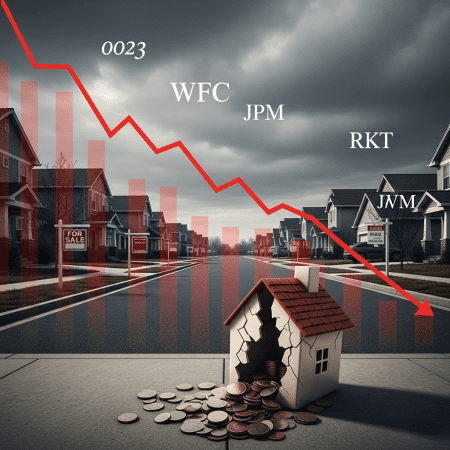






Many Americans find themselves laid off at 60 with no retirement savings, facing financial uncertainty just as retirement approaches. This article outlines the realities, market context, and smart investment strategies relevant in 2025 for navigating such a setback, focusing on opportunities and challenges for investors seeking stability and income.
What Happened
Facing the fact of being laid off at 60 with no retirement savings is increasingly common in the U.S. labor market. According to a 2024 AARP report, nearly 32% of Americans aged 60-64 have less than $50,000 saved for retirement, and 14% have no retirement savings at all (AARP). The end of a career without a nest egg, especially with only Social Security to rely on, forces many to reconsider their financial priorities and investment strategies. “I thought I could work until 67, but my industry downsized,” said Michael Torres, a recently displaced IT project manager. This scenario is starker amid slowing job growth in 2025, as noted by the U.S. Bureau of Labor Statistics, with only modest job creation in sectors favored by older workers.
Why It Matters
The economic impact of late-career layoffs extends beyond individual hardship; it underscores mounting retirement insecurity and challenges long-held assumptions about the American savings model. Recent data from Bloomberg (March 2025) reveals that prolonged workforce participation among baby boomers is declining, with many forced into early retirement due to layoffs or health issues. This trend raises concerns over heightened reliance on Social Security, straining public programs and reducing asset inflows into the stock market from what is traditionally a major investing cohort. Additionally, this disruption compels both policymakers and market participants to reassess the sustainability of retirement systems and the role of equities (market analysis).
Impact on Investors
For those laid off at 60 with no retirement savings, pivoting toward capital preservation and income generation becomes critical. Investors can consider dividend-paying blue-chip stocks (such as KO, JNJ, or PG), utility sector funds (XLU), or balanced mutual funds, which historically provide cash flow and lower volatility than growth stocks. According to Lauren Zhang, senior strategist at LPL Financial, “Older investors facing unexpected layoffs should focus on yield and liquidity while minimizing risk, prioritizing reliable dividend payers and short-duration bonds.” The 10-year Treasury yield hovering around 4.1% in 2025 also presents a low-risk income opportunity. Meanwhile, some may be tempted by higher-yielding but riskier assets; careful diversification and realistic withdrawal strategies are vital. For tailored approaches, readers can explore investment insights or consult a fiduciary financial advisor.
Expert Take
Analysts note that portfolio resilience is paramount after a late career job loss, especially with no retirement buffer. Market strategists suggest blending steady equities and fixed-income assets to manage both income needs and capital risk in this environment (ETF and income guides).
The Bottom Line
Being laid off at 60 with no retirement savings is challenging, but a disciplined approach focused on income-generating investments and risk control can help bridge the gap to Social Security and beyond. The 2025 market landscape offers pragmatic opportunities for late-stage investors willing to adapt. Maintaining realistic expectations, building diverse income streams, and revisiting financial plans are essential steps for financial stability moving forward.
Tags: late-career layoffs, retirement savings, stock market, dividend investing, Social Security.