





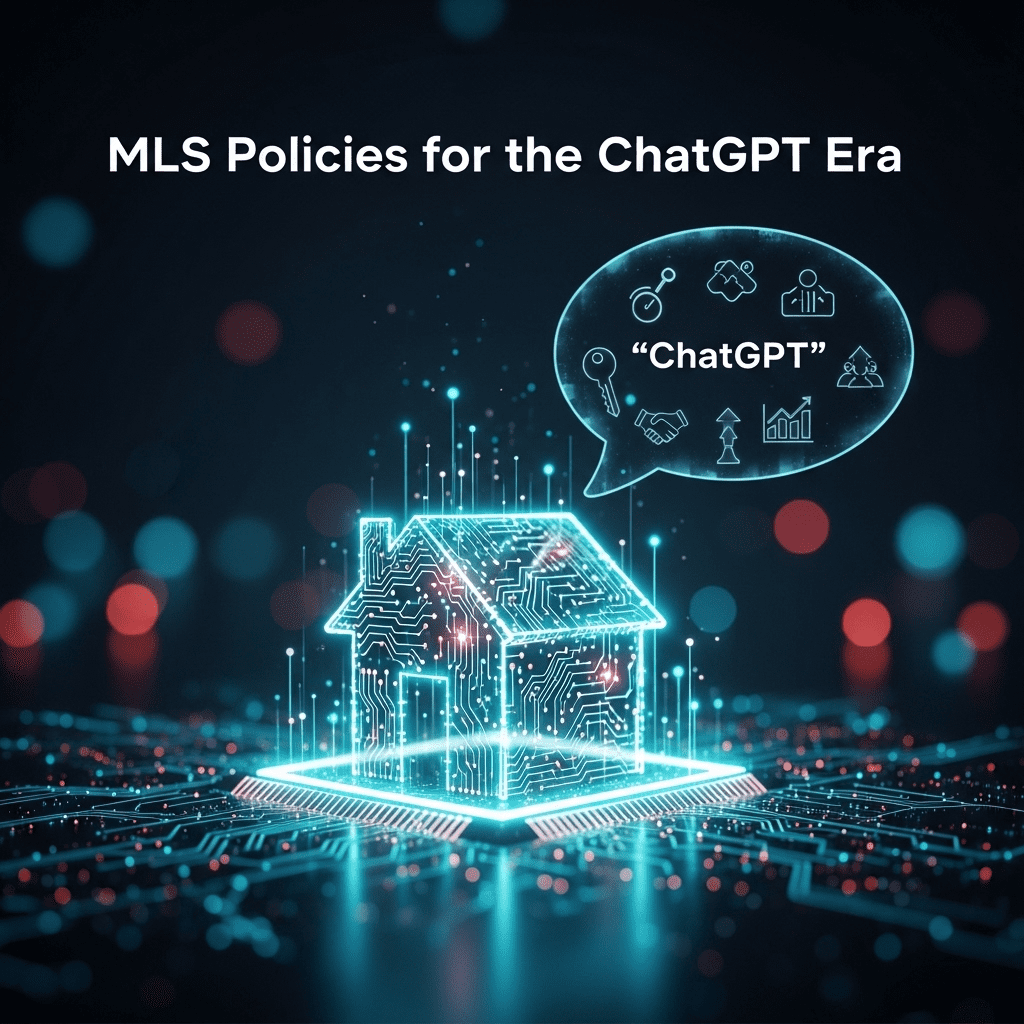
As generative AI reshapes how we interact with information, one critical question for the industry looms large: are MLS policies built for the ChatGPT era? With artificial intelligence transforming everything from listing descriptions to client communication, real estate professionals and investors are evaluating the adaptability of Multiple Listing Service (MLS) frameworks in 2025’s rapidly evolving digital landscape.
MLS Policies Built for the ChatGPT Era: An Urgent Review
The integration of natural language processing tools such as ChatGPT into real estate workflows is no longer theoretical—it’s already occurring. Agents use AI to automate descriptions, analyze property data, and even generate market insights. However, MLS policies built for the ChatGPT era have not always kept pace with this change. Traditional rules, crafted long before the rise of AI, were constructed to govern human behavior, not the output of deep learning models.
Key to MLS policy mandates are data accuracy, consistent formatting, and the prevention of copyright infringement. These were manageable in an analog era but now face challenges such as AI-generated content blurring lines of authorship and originality. Experts warn that, without adaptation, current MLS guidelines could become a bottleneck or risk lapses in compliance as brokerage firms carefully weigh the use of generative AI technologies.
AI Adoption Accelerates in Real Estate
According to a recent survey by the National Association of Realtors, over 45% of brokerages report using or piloting AI tools in 2025, a significant jump from just two years prior. Agents leverage these models not just for catchy listings, but to synthesize market trends and create personalized messaging for buyers—activities that have direct implications for MLS data integrity and fair housing compliance.
Yet as these tools proliferate, inconsistencies are emerging. Listings may inadvertently reproduce copyrighted content or fail to disclose essential facts, raising new questions about responsibility and enforcement. MLS organizations must now consider whether current policies can detect AI-generated listing violations or if technological upgrades—such as AI content detectors—are necessary safeguards.
Navigating Compliance: What Real Estate Pros Need to Know
For brokers and agents, understanding how MLS policies built for the ChatGPT era are evolving is essential both from a risk and an opportunity perspective. Leading MLS platforms are starting to update documentation requirements, mandate source attribution for AI-generated content, and clarify liability for errors. Some are even piloting AI audit trails to ensure transparency and confidence in listing data.
The stakes are high: failure to comply with MLS rules can result in hefty fines or listing removals, while inadvertent bias in AI descriptions could trigger fair housing violations. Industry veteran Jane Porter, Head of Compliance at a major west coast brokerage, notes, “Agents must double-check every AI-generated listing for accuracy and fairness. Technology is a tool, not a shield from liability.”
The Role of Investment and Innovation
For proptech investors and forward-thinking brokerages, there is significant upside in platforms that blend AI innovation with robust MLS compliance tools. Integration of real-time AI monitoring into listing systems is poised to be a 2025 growth sector. Those investing in systems that anticipate and prevent AI-driven missteps are likely to lead the market, according to recent investment insights from ThinkInvest.org.
Future-Proofing MLS Policies for the AI Age
What would true adaptation look like? To ensure that MLS policies built for the ChatGPT era serve both consumer interests and industry progress, experts recommend several forward-thinking steps:
- Continuous policy updates in response to emerging AI tools and threats.
- Transparent disclosure practices for AI-assisted content.
- Collaboration with technology providers to develop compliance APIs.
- Expanded training for agents and brokers on AI ethics.
Moreover, MLS organizations should work with legal advisors and AI ethicists to proactively address concerns around data privacy, algorithmic bias, and copyright management. As digital real estate becomes more data-driven, these steps will be key to both protecting clients and enabling seamless innovation across the housing market.
Beyond 2025: The Evolving AI+MLS Landscape
As ChatGPT and other large language models become trusted tools for agents and consumers alike, the question is not whether AI will reshape the industry—it’s how smartly and ethically it’s integrated. MLS policies built for the ChatGPT era can serve as benchmarks for responsible adoption, but only if continuously revisited. Industry watchers predict an uptick in partnerships between MLSs and AI technology firms to future-proof platforms and boost investor confidence.
Ultimately, adapting MLS governance for the AI age is a collaborative journey—one that balances innovation with ethical responsibilities. For anyone navigating real estate’s digital frontier, staying informed is critical. Explore more about shifting regulatory frameworks and proptech disruption on ThinkInvest.org’s news analysis.