




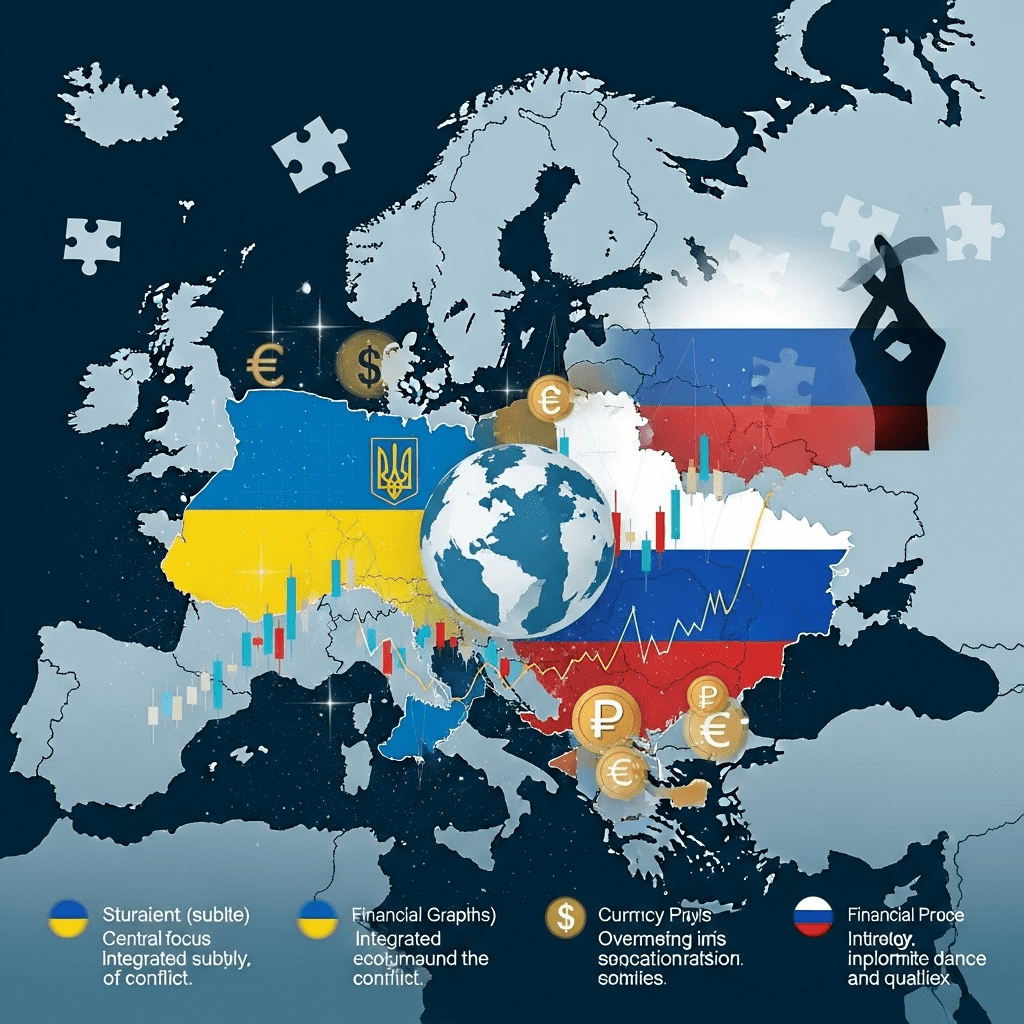
The geopolitical landscape shifted dramatically this week as Trump urges Zelenskyy to accept Putin’s terms to end war, sparking intense debate among economists, policymakers, and global investors. The prospect of a negotiated settlement between Ukraine and Russia introduces new uncertainties for the global economy — already grappling with inflation, supply chain disruptions, and shifting currency values. Analysts are now scrambling to evaluate what this controversial move could mean for international markets and investors.
Trump Urges Zelenskyy to Accept Putin’s Terms to End War: Economic Impact Analysis
The statement that Trump urges Zelenskyy to accept Putin’s terms to end war marks a turning point in Western policy discussions. Immediate reactions ranged from cautious optimism about de-escalation to concerns over the precedent of negotiating under duress. For global markets, even the suggestion of an impending peace deal impacts risk sentiment, commodity prices, and the broader investment climate.
First and foremost, stabilization along the Eastern European front could ease global energy markets, particularly natural gas and oil. Ukraine’s key pipelines and Russian supply to Europe have been at the heart of the current volatility: a ceasefire or settlement, even on disputed terms, could send energy prices lower — reducing inflationary pressure on the EU and, to some extent, the United States.
Conversely, if Ukraine is perceived as capitulating under pressure, investor confidence in emerging markets and fragile democracies could decline, fearing similar scenarios elsewhere. Sanctions regimes, once dependent on a hardline Western consensus, might soften, further affecting sectors such as defense and cybersecurity.
Market Volatility and Investor Risk Assessment
Financial markets react swiftly to major geopolitical signals. The latest developments, where Trump urges Zelenskyy to accept Putin’s terms to end war, have already resulted in short-term currency fluctuations. The euro and ruble experienced volatility as traders tried to anticipate a potential thaw in East-West relations. Bond yields in safe havens like U.S. Treasuries dipped, reflecting a rush to safety amid policy uncertainty.
Longer term, investors must weigh the direct economic benefits of possible peace against reputational and rule-of-law costs. While some portfolio managers argue that Ukrainian infrastructure could attract fresh investment if hostilities subside, others warn of a risk premium attached to regions where sovereign autonomy may be seen as negotiable.
Global Supply Chains and Commodity Flows: What Changes?
The war in Ukraine has had profound effects on global supply chains, especially in agricultural commodities like wheat and sunflower oil, as well as metals such as nickel and palladium. Should Trump’s suggested terms hasten an end to the conflict, these supply bottlenecks could ease. That said, any peace agreement will likely come with complexities around trade agreements, sanctions relaxation, and investment flows into the region.
For countries dependent on imports from Russia and Ukraine, such as Egypt and several Southeast Asian nations, food price inflation could moderate. This would offer relief for central banks and fiscal planners fighting cost-of-living crises. Yet, risks remain if Moscow’s terms set a new precedent for international conflict resolution, with knock-on effects for global stability and investment sentiment.
Policy and Regulatory Outlook for 2025
Looking ahead, the conversation sparked when Trump urges Zelenskyy to accept Putin’s terms to end war will likely force policymakers in Washington, Brussels, and Beijing to reassess strategic red lines and economic leverage. Investors should monitor evolving sanction frameworks — particularly those affecting banking, technology, and defense sectors. Regulatory changes could reshape cross-border capital flows, asset valuations, and market access in Europe and beyond.
Central banks may also recalibrate their response to energy price shocks if peace prospects materialize. With supply-side inflation potentially abating, the European Central Bank and Federal Reserve could adjust their policy tightening paths, impacting global interest rates and currency values.
Investor Strategies Amid Geopolitical Uncertainty
Professional investors and wealth managers are advising caution as global power dynamics realign. Portfolio diversification, country risk assessment, and sector rotation remain crucial. Global macro strategies are especially favored, with many analysts warning that underlying structural risks — from food security to cybersecurity — may persist even as active hostilities pause.
Conclusion: Navigating a Transforming Global Economy
As Trump urges Zelenskyy to accept Putin’s terms to end war, the world waits to see whether this signals a genuine path to peace or introduces new layers of risk for the international economy. For investors, understanding the interplay between geopolitics and markets will be essential in 2025 and beyond. Staying informed, agile, and aligned with credible sources will be critical for navigating the complex intersection of policy, security, and global finance.