




TL;DR: The UAE pioneers gigascale renewable energy project with a landmark $8.7 billion investment, cementing its leadership in the global clean energy transition. This move is set to influence both regional markets and global investor sentiment toward renewables.
What Happened
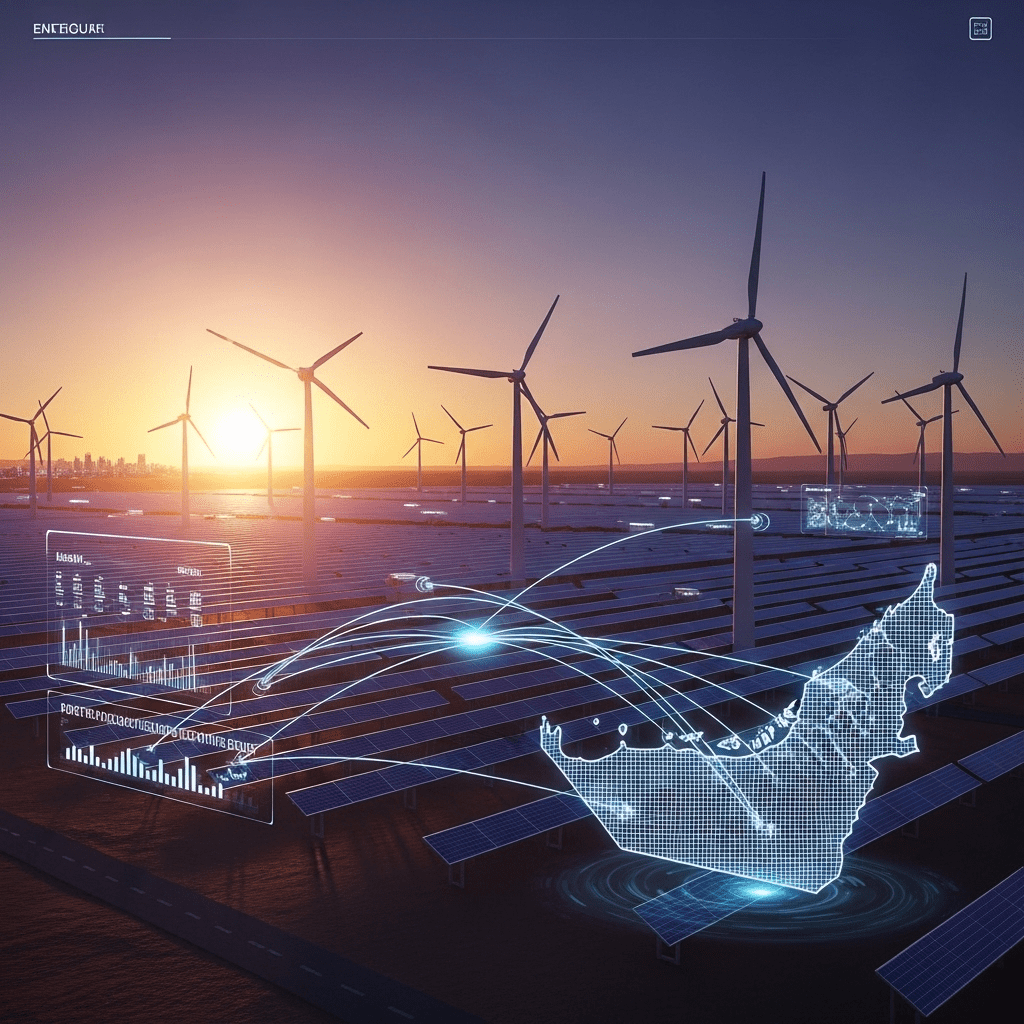
On June 20, 2025, the UAE announced a strategic leap as it pioneers a gigascale renewable energy project—the largest of its kind in the Middle East and North Africa (MENA). Spearheaded by Masdar and the Abu Dhabi National Energy Company (TAQA), the project will deploy 10 GW of solar and wind capacity across Abu Dhabi’s Al Dhafra and Northern Emirates regions by 2030. The initiative forms part of the UAE’s $8.7 billion clean energy expansion, earmarked to both decarbonize its own grid and supply power to export markets via cross-border interconnections. According to HE Dr. Sultan Al Jaber, UAE Minister of Industry and Advanced Technology, “This project demonstrates our intent to lead on renewable energy, ensuring sustainable returns for investors and energy security for the region.” The ambitious timeline aligns with the UAE’s Net Zero 2050 Strategy and fulfills targets set at COP28, hosted in Dubai. Recent market analysis indicates this project alone will boost the UAE’s renewable installed capacity by over 60% by 2030 (IEA, 2025).
Why It Matters
The gigascale renewable energy project signals a structural shift in energy markets—not just for the UAE, but for the entire MENA region. As global demand for low-carbon solutions accelerates, the UAE’s move may catalyze renewed infrastructure and institutional investment, supporting projected $200+ billion in clean energy capital inflows to the region by 2030 (BloombergNEF). Analysts view such large-scale projects as instrumental in stabilizing regional power prices and attracting global manufacturers seeking carbon-neutral supply chains. Furthermore, the project underscores the role of Gulf states in global energy transition, offsetting volatile fossil revenues with diversified green assets. According to investment insights, this situates the UAE among top emerging markets for ESG-focused portfolios worldwide.
Impact on Investors
For investors, the UAE’s gigascale renewable energy project offers both direct and indirect opportunities. Key listed entities such as Masdar, TAQA (ADX: TAQA), and developers including ACWA Power (TADAWUL: 2082) could see earnings growth as utility-scale clean projects ramp up. The heightened emphasis on transmission and logistics is also favorable for regional infrastructure REITs and green bond issuances. However, analysts caution risks around supply chain constraints, with some PV panel manufacturers and global inverter suppliers already facing backlogs amid global competition for critical minerals. The broader MENA renewables sector—and companies with exposure—stand to benefit, especially as the UAE’s blueprint informs upcoming Saudi and Egyptian project tenders. For deeper trend tracking, renewable energy sector updates provide additional context on related indices and funds.
Expert Take
Analysts note that the UAE’s gigascale renewable energy project is a “milestone for institutional investors seeking scale and stability in emerging market renewables.” Market strategists suggest that as more sovereign wealth funds double down on clean infrastructure, portfolio allocations to the MENA region will likely rise throughout 2025.
The Bottom Line
The UAE’s gigascale renewable energy project exemplifies commitment and scale in the global energy transition, offering significant implications for ESG investing and regional market diversification. For investors looking at long-term sustainability themes in frontier and emerging markets, the UAE’s leadership sets a new benchmark for gigawatt-scale, investable renewables.
Tags: UAE, renewable energy, gigascale, MENA, clean power.