

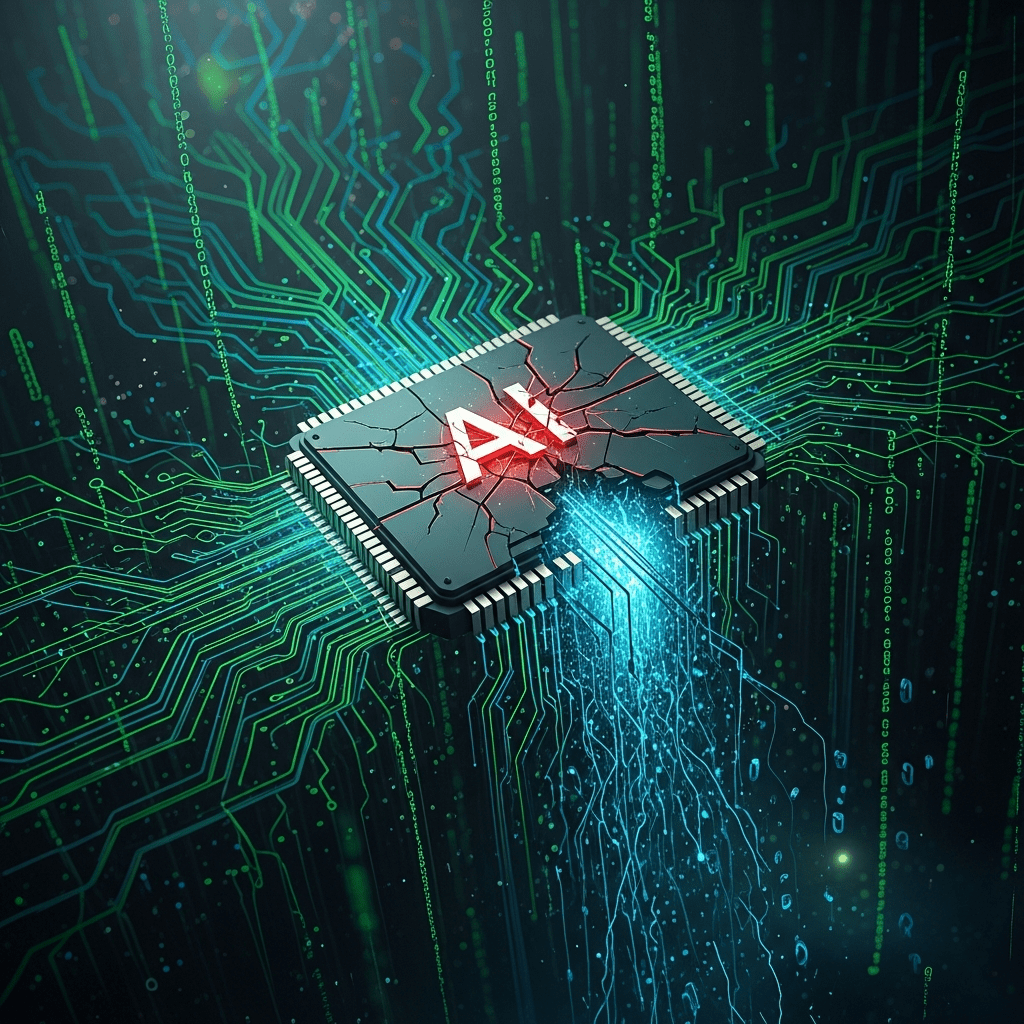
ModelWorks Inc. ($MODEL) revealed a stunning $280 million Q3 writedown as vibe coding risks triggered a sudden model collapse, upending expectations across the AI startup sector. The scale and speed of the collapse surprised investors monitoring vibe coding risks and raised urgent questions for unicorn hopefuls. Could this signal a wider vulnerability for AI-driven business models?
ModelWorks’ $280M Writeoff Signals Dangers of Vibe Coding
On November 15, 2025, ModelWorks Inc. ($MODEL) announced on its earnings call a $280 million impairment tied directly to a breakdown in its flagship AI model. The company cited “excessive reliance on vibe coding,” referring to undocumented code and decision heuristics added by engineers under pressure to meet deadlines and investor growth targets. According to company filings, model output error rates spiked from 3.8% to 19.4% between June and October 2025, wiping out eight months of projected client revenues (SEC Form 8-K, Nov. 2025). As a result, ModelWorks’ valuation slid from $3.4 billion in May to an estimated $2.1 billion by mid-November, per Bloomberg data. Industry observers note that this is the first major US startup to publicly link a model collapse to vibe coding—a trend more frequently associated with rapid, under-documented scaling in emerging markets.
Why AI Startup Funding Faces New Scrutiny After Model Collapse
The ModelWorks incident triggered renewed scrutiny from venture capitalists and strategic investors, already cautious after a 14% year-over-year decline in global AI startup funding during Q3 2025 (CB Insights, October 2025). With the sector facing mounting regulatory pressure and higher technical due diligence demands, startups reliant on opaque or “vibe-driven” code risk greater funding challenges. This echoes trends in fintech and crypto, where similar lapses in documentation and audit protocols led to over $3.2 billion in reported losses in 2022-2024 (Reuters, June 2024). By comparison, the NASDAQ AI Index fell 4.6% in the week following ModelWorks’ announcement, reflecting investor anxiety over sector-wide technical risks. Industry leaders, including firms like DataVerse AI and CodeFoundry, have since issued public commitments to enhance codebase auditability and transparency standards.
How Investors Can Mitigate Vibe Coding Risks in AI Portfolios
For investors with exposure to AI and machine learning startups, mitigating vibe coding risks now requires a proactive approach. Due diligence should focus on code documentation practices, the percentage of codebase covered by peer review (with industry benchmarks above 86% per McKinsey Tech Report, 2024), and frequency of third-party audits. Portfolio managers are increasingly requiring quarterly code audit reports and real-time monitoring dashboards. Diversification across sub-sectors—such as AI infrastructure (represented by firms like InfraAI) and enterprise SaaS (including $MODEL)—can reduce single-point failure risk. For real-time updates on sector volatility, investors are turning to resources like stock market analysis and latest financial news to track critical signals and pivots in AI startup investment strategies.
What Analysts Expect Next for ModelWorks and AI Startups
Industry analysts observe that the ModelWorks collapse is likely a bellwether for stricter technical oversight in AI funding rounds. According to investment strategists at Evercore and Morgan Stanley (industry commentary, October 2025), startups unable to demonstrate robust quality controls may see valuations cut by 15-25% over the next two quarters. Market consensus suggests that those adopting best-in-class documentation protocols could access premium-priced capital, while others may risk acquisition or shutdown as investor scrutiny intensifies.
Vibe Coding Risks Model Collapse Signals New Era for AI Investors
The ModelWorks event demonstrates that vibe coding risks and resultant model collapse are now material threats for AI investors. As the sector pivots to rigorous code auditing and transparency, keeping the focus keyphrase—vibe coding risks model collapse—top of mind can help investors separate resilient prospects from future casualties. Watch for stricter audits and funding standards to shape the AI unicorn landscape into 2026 and beyond.
Tags: ModelWorks, AI startups, venture capital, $MODEL, technical risk




