

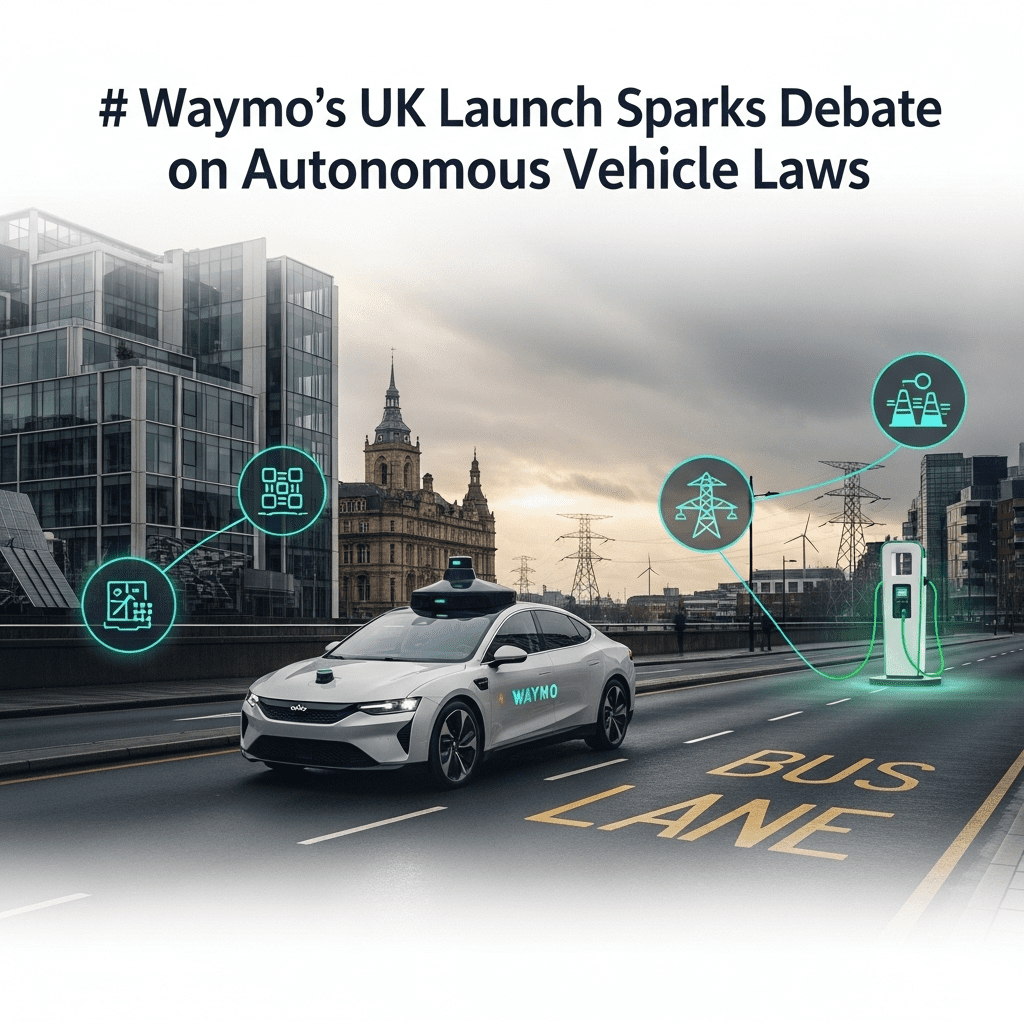
Waymo’s UK launch sparks debate on autonomous vehicle laws, casting a spotlight on the future of mobility, energy consumption, and legislative frameworks in one of Europe’s most closely watched markets. As the Alphabet-owned self-driving technology leader begins trial operations on British roads in 2025, industry observers, lawmakers, and investors are closely monitoring what this could mean for energy strategy and regulatory clarity in a rapidly evolving automotive sector.
Waymo’s UK Launch Sparks Debate on Autonomous Vehicle Laws
The arrival of Waymo in the UK has intensified conversations on how existing legal and energy systems can adapt to widespread autonomous vehicle (AV) use. Unlike previous rollouts in the United States, the UK presents a unique combination of dense urban infrastructure, strict regulatory traditions, and ambitious net-zero goals. The intersection of AV technology with national energy and transportation policies is expected to have far-reaching effects on everything from public safety to fleet electrification and grid demand.
Regulatory Challenges and Opportunities
Waymo’s debut exposes both the promise and the legislative gaps of the UK’s current autonomous vehicle laws. While the government has signaled support for innovation—unveiling a roadmap for self-driving vehicle integration by 2025—real-world deployment raises questions around liability, insurance, data security, and infrastructure readiness. Recent consultations indicate a need for amendments to the Road Traffic Act and new provisions for data management and ethical AI use. Key stakeholders are urging for accelerated yet responsible rulemaking to prevent legal uncertainty from stifling investment and technology uptake—a frequent topic in investment insights discussions.
Energy Impact: Electrification and Grid Readiness
The focus on green mobility is central to the Waymo launch narrative. Self-driving fleets, almost universally expected to be electric, could significantly increase electricity demand in urban centers. This amplifies the need for robust charging infrastructure and smart grid management—a point raised in the UK government’s energy transition strategy. According to the UK Department for Business, Energy & Industrial Strategy (BEIS), a surge in electric vehicle adoption could cause local demand spikes of up to 10% in some city zones by 2030, a scenario accelerated by commercial AV adoption.
Investor Implications: Opportunities and Risks
For investors, Waymo’s UK launch sparks debate on autonomous vehicle laws and the broader energy transition, highlighting lucrative but volatile opportunities. Leading funds are tracking regulatory milestones, as clarity on autonomous operation rules could precede a ramp-up in infrastructure spending and related equities. At the same time, risks persist from potential liability uncertainties, cybersecurity threats, and the scale of grid upgrades needed for mass AV deployment. Industry analysis on emerging markets also notes that the UK’s policy developments may set a precedent for other European jurisdictions.
Public Sentiment and Market Readiness
The British public remains cautious about AV adoption. Recent surveys, including those conducted by the RAC Foundation, suggest that trust in self-driving technology is rising but hinges on transparent safety standards and clear legal responsibility in the event of accidents. This dynamic impacts both regulatory pacing and the willingness of leading energy players and carmakers to invest in new mobility solutions.
The Road Ahead: Innovation, Energy, and Legal Frameworks
Waymo’s UK launch, and the debate it sparks around autonomous vehicle laws, marks a turning point for the intersection of energy, technology, and regulation. The potential to revolutionize urban transport—with knock-on benefits for congestion, emissions, and grid efficiency—will depend on how swiftly and thoughtfully lawmakers adapt existing frameworks. Companies operating in the mobility and energy sectors will need to remain agile, engage with stakeholders, and invest in both legislative advocacy and infrastructure upgrades to leverage these trends for long-term growth. For more analysis on this evolving landscape, follow ongoing updates and strategic commentary at financial news.




