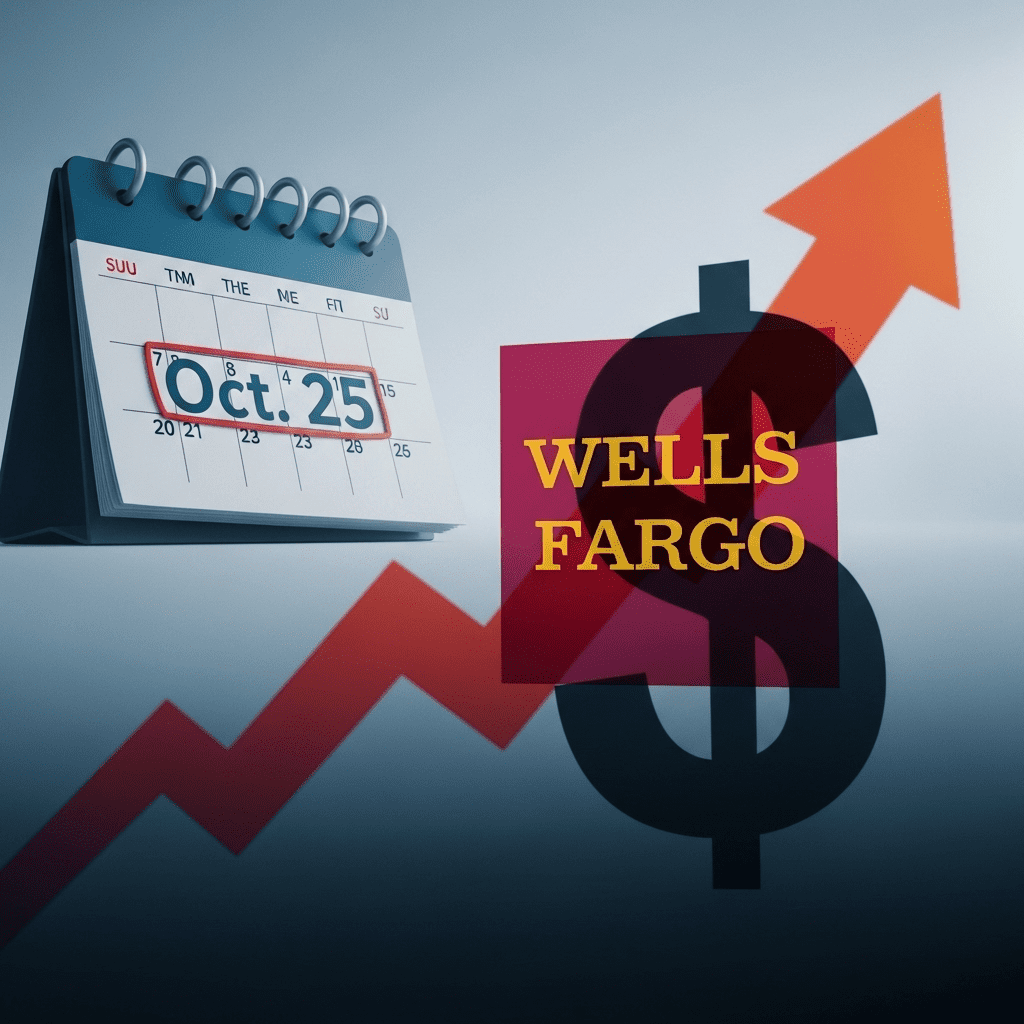
Attention Wells Fargo customers: Wells Fargo is raising a key fee that could impact many checking account holders as early as October 25, 2025. Understanding what this change means for you—and acting before the new fee structure takes effect—can help you avoid unnecessary banking costs and protect your financial well-being.
How Wells Fargo Is Raising a Key Fee in 2025
In a recent announcement, Wells Fargo confirmed it will increase its monthly service fees for select checking accounts, with changes coming into effect on October 25, 2025. The primary checking account monthly maintenance fee is set to rise by $3, moving from $10 to $13 monthly. This adjustment follows a trend among major banks responding to higher operational costs and evolving customer behaviors.
The fee increase will apply primarily to account holders with Wells Fargo Everyday Checking and Preferred Checking accounts. The bank stated that qualifying for fee waivers—such as maintaining a minimum daily balance or fulfilling monthly direct deposit requirements—will become slightly stricter. For example, the qualifying minimum direct deposit for a fee waiver will move from $500 to $650 per month. These tweaks mean that more customers are likely to be affected if they do not take action ahead of the October deadline.
Why Is Wells Fargo Increasing Fees?
Banks routinely reassess their fee structures in response to changing economic conditions, tighter regulations, and increased use of digital banking services. Since 2022, major institutions like Wells Fargo have cited substantial investments in cybersecurity, technology, and customer experience as factors that necessitate fee updates. Additionally, industry competition and the pressure from high-yield online banks, which offer low or zero account fees, have changed how traditional banks design their products and revenue streams.
For customers, this means it’s more important than ever to stay updated on policy and fee changes to avoid unexpected costs. You can stay informed with ongoing market news and analysis as these shifts continue.
What Can Account Holders Do Before the Oct. 25 Deadline?
With Wells Fargo is raising a key fee, taking action before October 25 is essential to avoid higher banking costs. Here are actionable steps to minimize or eliminate the impact:
- Review Account Balances: Ensure you meet the new minimum balance or direct deposit requirements to qualify for a monthly fee waiver.
- Set Up Direct Deposit: If you don’t already have recurring direct deposits, consider coordinating with your employer or benefits provider to meet the new threshold.
- Switch to a Different Account: Wells Fargo offers several account options, some with lower or no fees for students, seniors, and select customers. Explore whether you qualify for these products.
- Compare Other Banks: If the new fees don’t suit your needs, consider switching to a digital or community bank. Many online banks offer no-monthly-fee checking with competitive features.
- Act Promptly: Banks require lead time for account changes or closures, so don’t wait until the last minute.
For those unsure about switching, reviewing recent personal finance strategies can help guide your decision.
Long-Term Implications for Banking Customers
This adjustment is part of a broader shift in the retail banking landscape. As banks adapt to a digital-first environment, brick-and-mortar institutions like Wells Fargo are streamlining services and relying more on fee-based revenue instead of overdraft charges and penalty fees. This is a trend analysts expect to continue into 2025 and beyond.
For customers, it underscores the importance of regularly reviewing account terms and maintaining strong financial habits. Checking your monthly statements, setting up account alerts, and understanding how small fees can add up are fundamental practices for anyone hoping to optimize their finances in a changing market.
Avoid Higher Costs as Wells Fargo Is Raising a Key Fee
In summary, Wells Fargo is raising a key fee for checking account holders starting October 25, 2025. This change reflects broader economic shifts and the ongoing transformation of banking services. By taking proactive steps—such as adjusting direct deposit amounts or exploring alternative banking options—you can steer clear of unnecessary expenses and make the most of your financial resources.
Stay ahead of these changes with the latest investment research and economic trends from trusted financial sources. Whether you remain with Wells Fargo or choose a new institution, informed decisions are key to financial success in 2025.