As buyers and investors look ahead, understanding what the latest mortgage data tells us about home sales in 2026 is essential for making informed real estate decisions. Recent trends in mortgage rates, housing demand, and lending practices are creating ripple effects that could reshape the property market in the coming year.
What the Latest Mortgage Data Tells Us About Home Sales in 2026
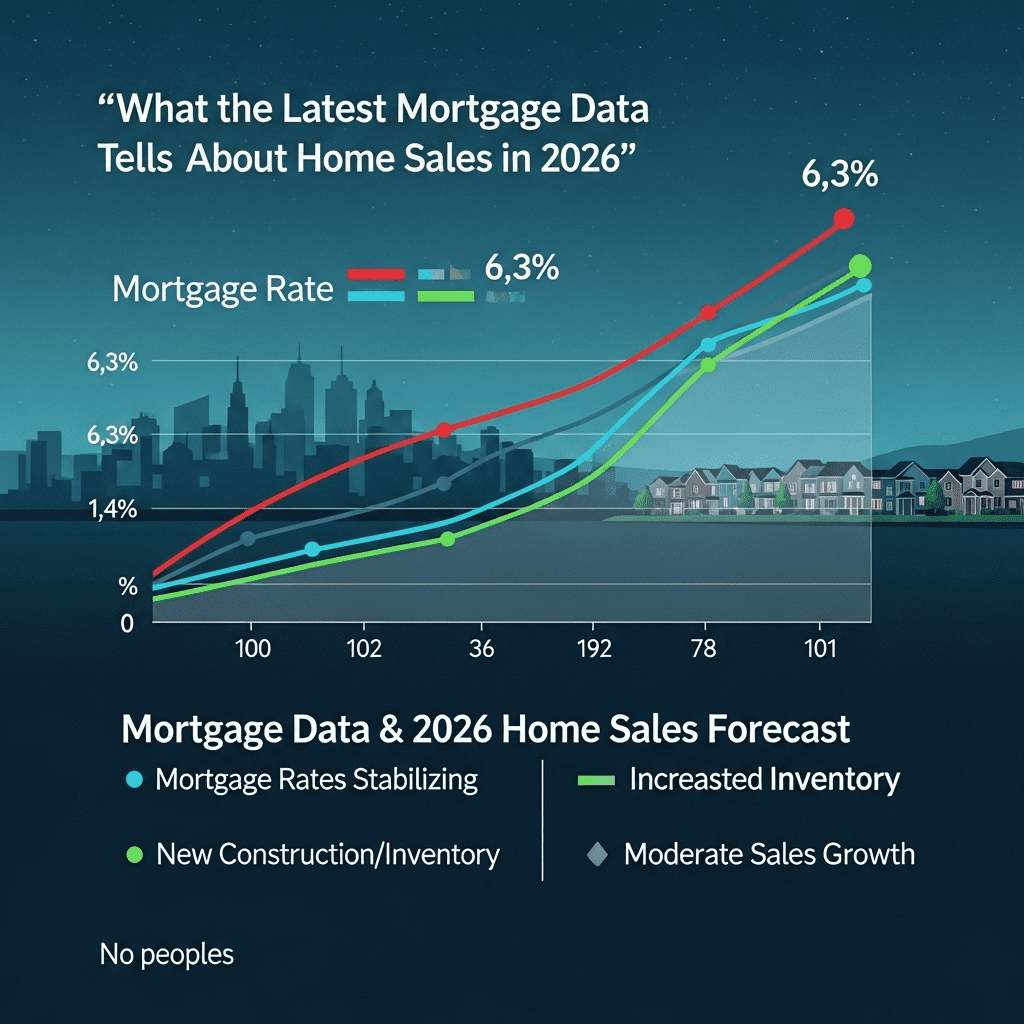
Examining what the latest mortgage data tells us about home sales in 2026 reveals key patterns impacting buyers, sellers, and investors. Mortgage rates, after fluctuating throughout the early 2020s, are now stabilizing closer to historical averages. According to data from the Mortgage Bankers Association, average 30-year fixed rates hovered around 6.3% at the beginning of 2025, with projections suggesting modest decreases entering 2026.
These comprehensive analytics suggest that while affordability remains a concern, the potential for slightly lower rates could stimulate pent-up demand. Experts argue that with wage growth and inflation gradually leveling, the housing market might enter a period of steadier growth, especially in regions previously impacted by rapid price appreciation and tight inventories.
How Lending Practices Are Shaping Buyer Behavior
Another critical takeaway from recent investment insights is how mortgage approval criteria have evolved. Lenders, having learned from the lessons of past cycles, are balancing risk management with accessibility. The reintroduction of alternative credit assessment tools—including AI-driven risk models—has moderately broadened underwriting standards, making mortgages accessible to a slightly larger segment of creditworthy buyers without compromising stability.
This has particular significance for first-time buyers, who historically face barriers of higher down payments and stringent debt-to-income ratios. As more lenders leverage advanced data analytics, the doors may open wider for moderate-income households, fueling a more diversified homebuyer pool in 2026.
Regional Variations: Urban vs. Suburban Trends
Regionality is another layer to consider when assessing what the latest mortgage data tells us about home sales in 2026. Current analytics indicate that suburban areas and smaller metros continue to benefit from post-pandemic migratory trends. Lower average home prices and more flexible lending are combining to sustain housing demand outside pricier urban cores.
Conversely, in the nation’s largest cities, elevated prices and higher property taxes are prompting continued moderation in both demand and home price growth. As mortgage rates stabilize, expect suburban and exurban markets to outperform, while urban sales volumes may remain flat or rise at a slower pace.
The Impact of Inventory and Construction Activity
Inventory constraints have long shaped the housing landscape. Recent mortgage data aligns with real estate market forecasts that suggest new construction activity is set to pick up in 2026. Builders are responding to ongoing demand by bringing more single-family and multifamily units to market, a trend that may gradually ease pressure on home prices and facilitate healthier transaction volumes.
This anticipated inventory growth, paired with moderate mortgage rate declines, places both buyers and sellers in a more balanced environment. The result? Greater negotiating power for buyers, moderated appreciation rates, and increased market liquidity—three critical factors for long-term real estate stability.
Investment Implications and Strategic Opportunities
For investors, what the latest mortgage data tells us about home sales in 2026 offers a roadmap for strategic planning. Stabilizing rates, evolving lending criteria, and growing supply present opportunities to capitalize on regional disparities and emerging rental markets.
Additionally, as more data points and projections become available, seasoned investors may focus on yield-generating assets in high-growth metros, or diversify into built-to-rent and workforce housing products. Staying ahead of mortgage and housing trends remains crucial in optimizing real estate portfolios, as discussed in many investment strategy resources.
Conclusion: Navigating the Real Estate Market in 2026
In summary, understanding what the latest mortgage data tells us about home sales in 2026 equips buyers, sellers, and investors with the insights needed to navigate a complex, evolving market. With mortgage rates showing signs of stability, lending practices broadening, and inventory expanding, the stage is set for a more balanced real estate environment in the year ahead. Staying informed and leveraging data-driven insights will be paramount for success in this dynamic market.