

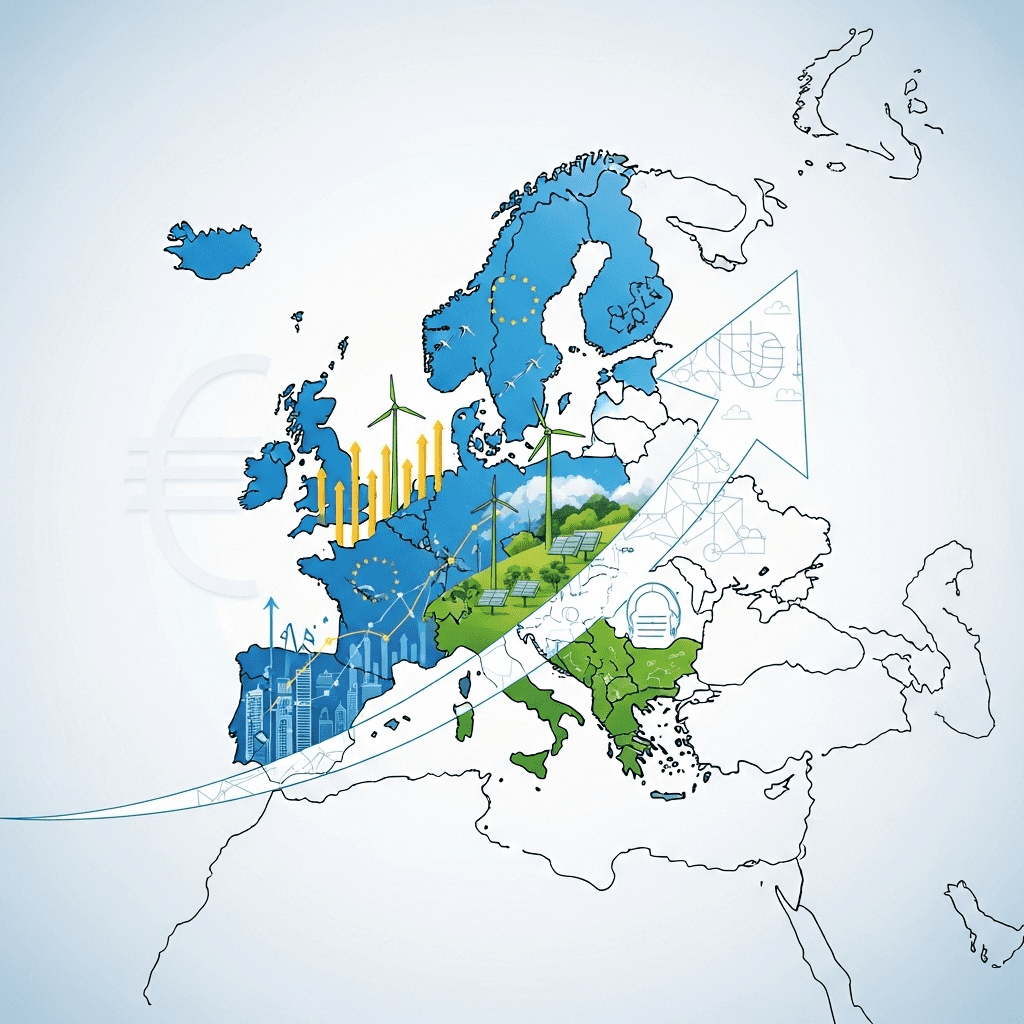
In recent months, a prevailing question among economists and investors is what to make of European optimism as 2025 unfolds. After years of sluggish growth, unprecedented challenges, and shifting global dynamics, Europe’s economic confidence has resurged—raising key considerations for market participants and policymakers alike.
What to Make of European Optimism in Today’s Economy
Emerging from the shadow of a turbulent global economy, Europe’s newfound optimism is grounded in several pivotal factors. Consumer sentiment has reached a five-year high, business activity readings are inching upward, and capital markets are reflecting renewed global investor interest. So, what to make of European optimism at a time when the region faces both persistent hurdles and new opportunities?
The European Commission’s economic sentiment index surged by more than 8 points in the last quarter, highlighting a growing sense of stability. Inflation, long a concern for eurozone nations, is finally trending toward the European Central Bank’s 2% target. Meanwhile, fiscal reforms and green transition investments are buoying growth prospects, with Germany, France, and Italy leading targeted stimulus programs. For those seeking market strategies and regional diversification, these improvements are notable.
Drivers Behind the Renewed Confidence
The optimism permeating European economic conversations stems from several converging trends:
- Energy Stabilization: A successful winter energy management strategy and increased renewable capacity have reduced vulnerability to supply shocks.
- Labor Market Recovery: Unemployment across the eurozone has decreased to 6.3%—the lowest in over a decade, driving wage growth and lifting consumer spending.
- Digital and Green Investments: Post-pandemic recovery funds are powering innovation across fintech, EV production, and clean technology sectors, positioning Europe at the forefront of the green industrial transition.
Moreover, a cooling inflation environment is paving the way for potential rate cuts by the European Central Bank, further stimulating lending and investment. These factors together underpin not just hopeful sentiment, but also tangible economic activity—a development closely watched by global investors following macroeconomic trends.
Risks Tempering European Optimism
While the upswing is apparent, prudent investors should recognize the risks that could temper or disrupt the continent’s economic revival. Uncertainties regarding the ongoing conflict in Ukraine, persistent geopolitical tensions with China and the US, and supply chain bottlenecks in critical industries remain key threats.
Additionally, although inflation has moderated, underlying component prices—especially energy and food—remain volatile. Policymakers must strike a delicate balance between fostering growth and containing price pressures. Meanwhile, the rise of political fragmentation, including European Parliament election volatility, could challenge policy continuity and reform momentum.
Implications for Investors in 2025
Understanding what to make of European optimism means discerning between cyclical upswings and structural transformation. For long-term investors, Europe’s commitment to digitalization and green tech offers compelling opportunities, especially in sectors aligned with the EU’s sustainability agenda. Equity markets, particularly in renewables, healthcare, and advanced manufacturing, are expected to lead growth.
At the same time, fixed-income investors may find value as the ECB shifts toward an accommodative stance, while exposure to European sovereign bonds remains a defensive play amid lingering global uncertainty. The blend of cyclical tailwinds and policy support position Europe as a diversification tool for portfolios seeking resilience and growth—in line with global risk management recommendations.
Conclusion: Navigating Optimism with Caution
The question of what to make of European optimism in 2025 blends hope with discernment. While consumer and business confidence are undeniably on the rise, and the continent has made tangible progress on key economic priorities, risks both internal and external could yet shift the narrative. Investors and policymakers would do well to balance cautious optimism with vigilant risk assessment, capitalizing on opportunities as the European recovery story unfolds.




