




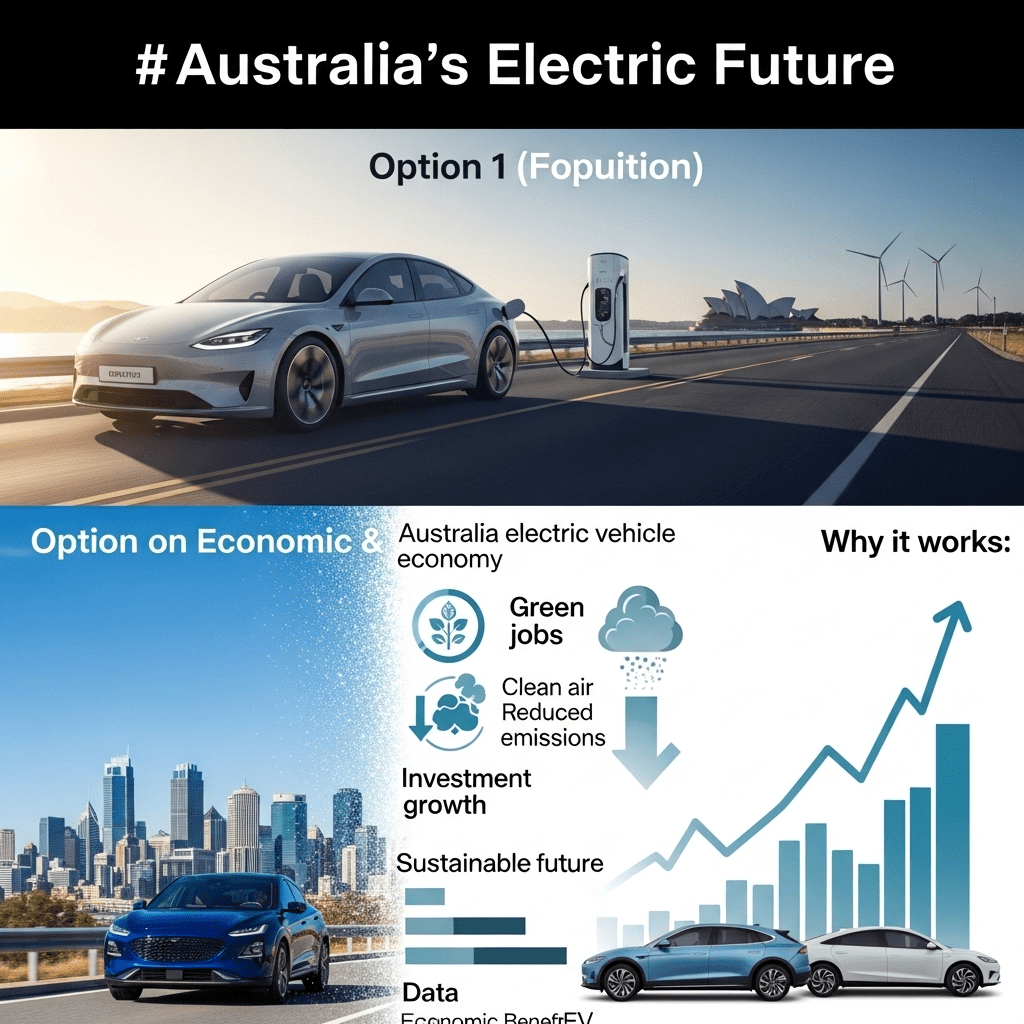
For Australia to fully embrace an electrified future and capture the economic, environmental, and technological benefits of the EV revolution, it is imperative that we ban petrol and diesel cars by 2035. As global momentum builds for clean transportation, policy leaders and investors must recognize that decisive action now will safeguard Australia’s competitive edge and sustainability in years to come.
Why Australia Needs to Ban Petrol and Diesel Cars by 2035
Many of Australia’s trading partners, including the UK, EU countries, and parts of the US, have already committed to phasing out internal combustion engine (ICE) vehicles within the next decade. To remain competitive and avoid becoming a dumping ground for outdated vehicles, Australia must move to ban petrol and diesel cars by 2035. This bold stance is backed by mounting evidence—according to the International Energy Agency (IEA), rapid electrification could cut transportation sector emissions by more than 50% over 15 years, directly supporting Australia’s net-zero by 2050 pledge.
The Economic Case for Policy Leadership
Strategic investments in electric vehicle (EV) infrastructure can help unlock massive value for Australia’s economy. By mandating a ban on ICE vehicles and incentivizing EV adoption, Australia can support new manufacturing opportunities, green jobs, and a thriving local battery industry. Data from the Clean Energy Finance Corporation shows that transitioning to EVs could inject billions into the domestic economy through reduced fuel imports and increased energy independence. For investors and policymakers seeking sustainable growth drivers, aligning with net-zero transport is a powerful move.
Environmental and Health Benefits
Enacting a policy to ban petrol and diesel cars by 2035 aligns with Australia’s obligations under the Paris Agreement and delivers significant public health dividends. Road transport generates roughly 18% of the nation’s total greenhouse gas emissions. According to Climate Council Australia, air pollution from ICE vehicles leads to thousands of preventable deaths each year and high healthcare costs. EVs eliminate tailpipe emissions, reducing smog and improving urban air quality as demonstrated in cities with high EV uptake.
Challenges and Solutions for the Electric Vehicle Transition
While a 2035 ban presents logistical and economic challenges, international examples offer guidance. Norway’s successful phase-out of new fossil fuel-powered cars relied on incentives for EV buyers, robust charging networks, and clear government timelines. Australia should learn from these approaches, focusing on grid upgrades, workplace charging, and rural accessibility. Investment in battery recycling and local supply chains can further minimize transition costs and create enduring opportunity. For anyone interested in future-proofing investments, early participation in EV infrastructure and clean tech markets is essential.
Policy Certainty and Investor Confidence
A legislated ban date provides market clarity, which is critical for automakers, infrastructure planners, and the financial sector. Auto manufacturers like Hyundai and Ford are actively expanding their EV portfolios in regions with firm phase-out timelines, directing billions of dollars towards research and production. Australia risks falling behind unless it signals firm intent. Policy certainty not only unlocks private sector partnership but also allows investors to confidently back long-term transportation projects. Discover more about how regulatory frameworks can shape long-term economic outcomes.
Conclusion: Seize the Opportunity for Sustainable Transport
The imperative for Australia to ban petrol and diesel cars by 2035 is clear: achieving net-zero targets, protecting national competitiveness, and safeguarding public health all hinge on a swift and decisive shift. As global transport leaders move decisively towards electrification, Australia must not be left behind. Investors, governments, and communities have much to gain by accelerating the transition—now is the time to act for a cleaner, more prosperous future.