




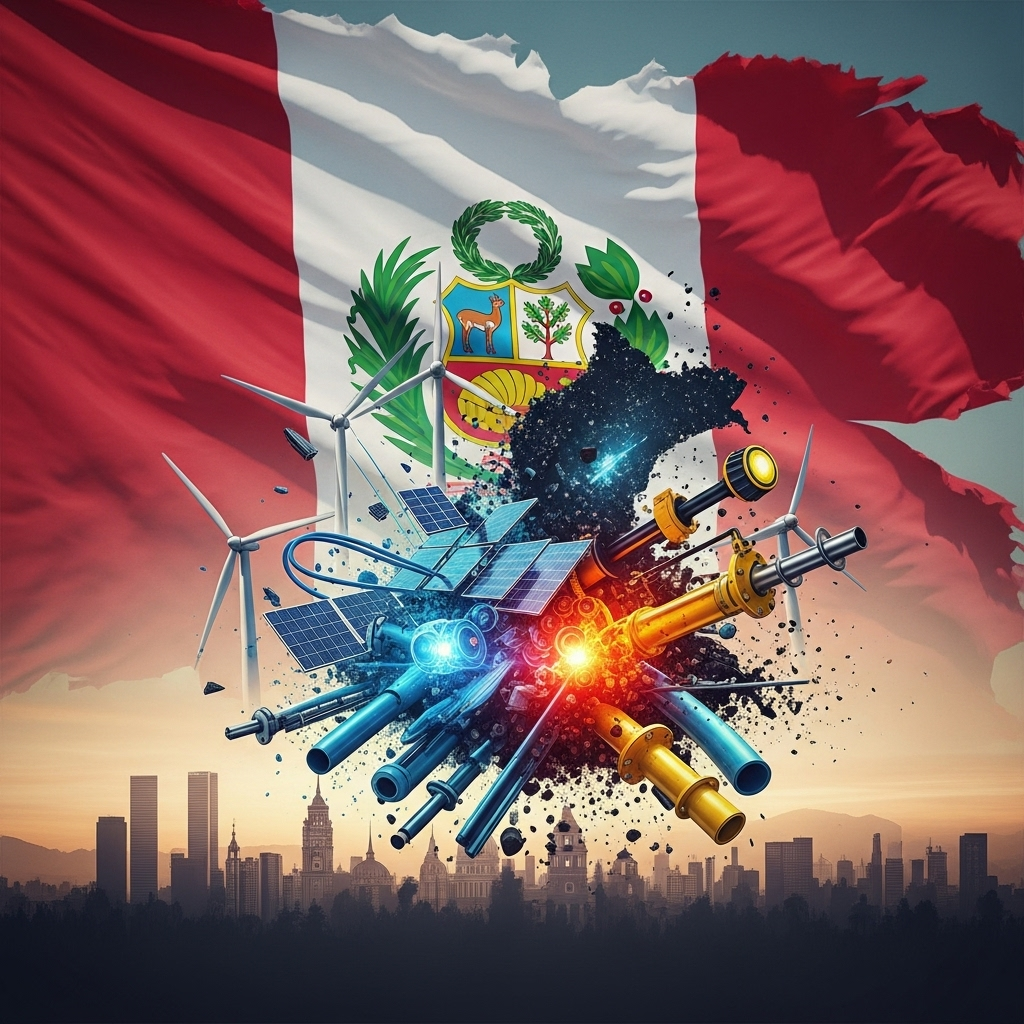
Political upheaval continues to shape Peru’s investment landscape, raising pressing questions about energy policy and economic stability. Why Peru just ousted another president and what comes next has become a critical concern, influencing both domestic energy sector strategies and international investor confidence.
Why Peru Just Ousted Another President and What Comes Next for Energy Markets
Peru’s presidency has become a revolving door, with yet another sudden ouster making global headlines this year. This ongoing political volatility has far-reaching consequences beyond governance, directly impacting the country’s energy sector. Investors and stakeholders are watching closely to understand how policy shifts, leadership uncertainty, and social unrest may affect minerals extraction, LNG exports, and renewable energy transitions—vital elements in Peru’s economy and its role in global energy markets.
Political Instability and the Energy Sector
Peru’s frequent changes in leadership—rooted in corruption scandals, widespread protests, and institutional distrust—have disrupted policy continuity. This instability creates uncertainty for major natural gas, mining, and renewable energy projects. For global investors seeking exposure to Latin American energy assets, the lack of long-term policy consistency presents heightened risk. Project permitting, regulatory frameworks, and public-private partnerships are prone to delays or renegotiation, complicating forecasting and weighed returns.
Notably, Peru is among the world’s top producers of copper and gold, and it houses significant natural gas reserves. Energy companies and mining investors rely on a stable government to protect assets and honor contracts. A recurring leadership vacuum often results in the review or reversal of agreements, affecting project timelines and potentially triggering costly disputes or arbitration proceedings.
The Outlook for Fossil Fuels and Renewables
The incoming administration faces two pressing challenges: addressing immediate social unrest and signaling policy certainty to reassure the investment community. The new leadership’s direction on fossil fuel and renewable energy development remains unclear, but the stakes are high. Natural gas exports—primarily via the Peru LNG project—account for a substantial share of national revenue. Any shift in licensing, royalties, or foreign participation could reshape the energy market and disrupt regional supply chains.
Meanwhile, pressure is mounting for Peru to accelerate its transition toward renewables, especially hydro, solar, and wind power. As regional neighbors ramp up clean energy targets, Peru’s next government must clarify its support for investment incentives, permitting efficiency, and grid modernization. The energy transition represents both risk and opportunity for capital inflows and sector growth, provided political stability can be restored.
Investor Takeaways: Energy Policy Risks and Opportunities
For those monitoring emerging market trends, Peru serves as a case study in why political risk is central to energy sector valuations. The country’s copper and gas resources remain attractive, but sustained disorder could prompt capital flight and force developers to hedge operations more conservatively.
Short-Term Uncertainty, Long-Term Potential
Following the ouster, short-term disruptions to licensing and project pipelines are to be expected. However, if the new government prioritizes sector resilience, reaffirms international agreements, and pursues regulatory modernization, Peru can regain its appeal as an energy investment destination. Industry leaders are also looking for signals on ESG standards, indigenous rights, and environmental compliance, which affect both corporate reputation and operational permissions.
Regional Context and Strategic Positioning
Peru’s instability comes at a pivotal moment for South America’s energy geopolitics. Demand for critical minerals is surging due to global clean energy ambitions, while LNG supplies play a strategic role in balancing markets beyond the continent. Any shift in Peru’s policy stance could ripple through neighboring countries’ strategies and alter trade balances. Up-to-date macroeconomic analysis is essential for investors tracking cross-border risks and opportunities tied to Peru’s leadership changes.
What Comes Next: Key Questions for 2025
- Will the new administration stabilize regulatory oversight of mining and energy projects?
- Can a lasting consensus be forged on balancing extractive industries and clean energy investment?
- How will investor sentiment shift if political volatility persists through 2025?
Answers to these questions will define the trajectory of Peru’s energy sector and influence global supply chains tied to both fossil fuels and renewables. As Peru’s political saga continues, sophisticated investors are advised to stay alert for fast-evolving policy guidance and leverage rigorous investment insights to navigate the shifting landscape.
In summary, understanding why Peru just ousted another president and what comes next is fundamental for energy market participants and financial professionals seeking informed exposure to this dynamic and pivotal economy.