

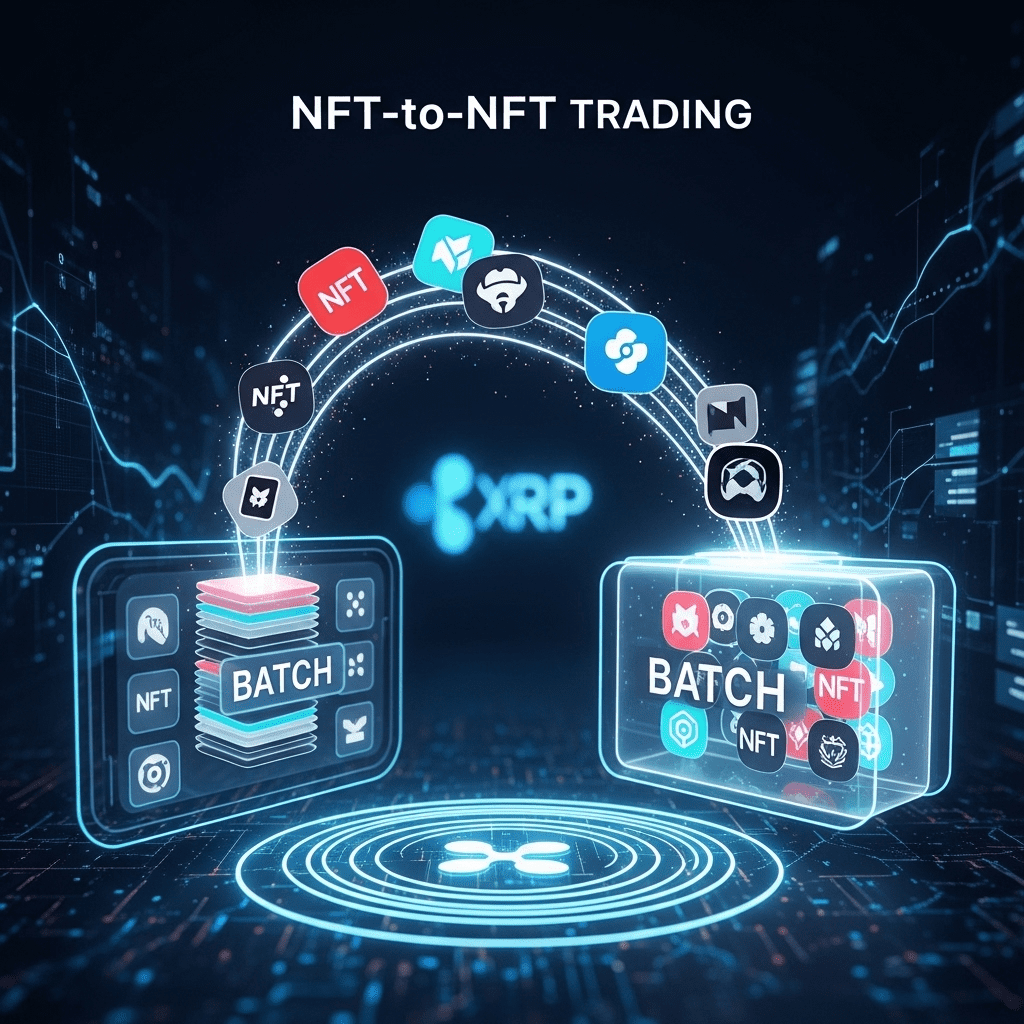
The XRP Ledger validator community has unveiled a proposed ‘Batch’ amendment that could unlock NFT-to-NFT trading on the blockchain, aiming to drive new utility for digital asset markets. This development signals heightened innovation in the XRP ecosystem as crypto investors look for next-generation solutions in 2025.
What Happened
An XRP Ledger validator has revealed a path for NFT-to-NFT trading through the introduction of a ‘Batch’ amendment—a protocol-level change enabling simultaneous swaps of multiple non-fungible tokens. The proposal, discussed in a recent validator node meeting and highlighted on public developer forums, seeks to allow users to bundle several NFTs into a single atomic transaction, reducing execution risk and intermediation costs. Shane Reed, a validator running one of the XRP Ledger’s top-performing nodes, stated, “Batch processing could give market participants greater flexibility and open the door to true peer-to-peer NFT trading.” According to data from Reuters, NFT transaction volume on the XRP Ledger surged 120% year-over-year by Q1 2025, underscoring the growing relevance of such features.
Why It Matters
The proposed ‘Batch’ amendment stands to disrupt traditional NFT exchanges by offering a decentralized and cost-efficient conduit for NFT-to-NFT trading on the XRP Ledger. As digital collectibles ecosystems become more diverse, current single-transaction swaps prove limiting—especially as larger institutions and gaming platforms enter the NFT market. Recent market analysis points to increasing demand for atomic swaps and bundled transaction support, as evidenced by similar upgrades pursued on Solana and Ethereum in 2024. Analysts believe broad protocol innovations could widen XRP’s appeal beyond payments and remittances, making it a viable option for tokenized assets.
Impact on Investors
For XRP (XRP) holders and NFT-focused investors, the batch-trading capability could open new arbitrage and portfolio diversification strategies while minimizing friction. The feature may also fuel liquidity on decentralized NFT markets and create multi-asset trade flows previously unavailable on the protocol. “This proposal, if adopted, could set a precedent for how cross-asset swaps are deployed in major layer-1 networks,” said Carla Ruiz, Head of Crypto Research at Sphere Insights. She added, “Investors should monitor validator sentiment closely; protocol shifts like this can be a tipping point for ecosystem value.” For more on emerging blockchain trends, see ThinkInvest’s investment insights and up-to-date market coverage.
Expert Take
Analysts note that successful adoption of batch-based NFT trading on the XRP Ledger could spur comparable proposals across other major blockchains, cementing XRP’s role as an innovation driver in digital assets. Market strategists suggest validators’ support levels and upcoming voting cycles will be key to watch in the second half of 2025.
The Bottom Line
The proposed ‘Batch’ amendment reflects the XRP Ledger validator community’s push for advanced NFT-to-NFT trading that could increase platform utility and diversify trading mechanics. As the blockchain adapts for NFT innovation, investors and market builders should consider the focus keyphrase: XRP Ledger validator NFT-to-NFT trading—a trend that could define next-generation digital asset exchanges in 2025.
Tags: XRP Ledger, NFT trading, batch amendment, crypto innovation, digital assets.




