

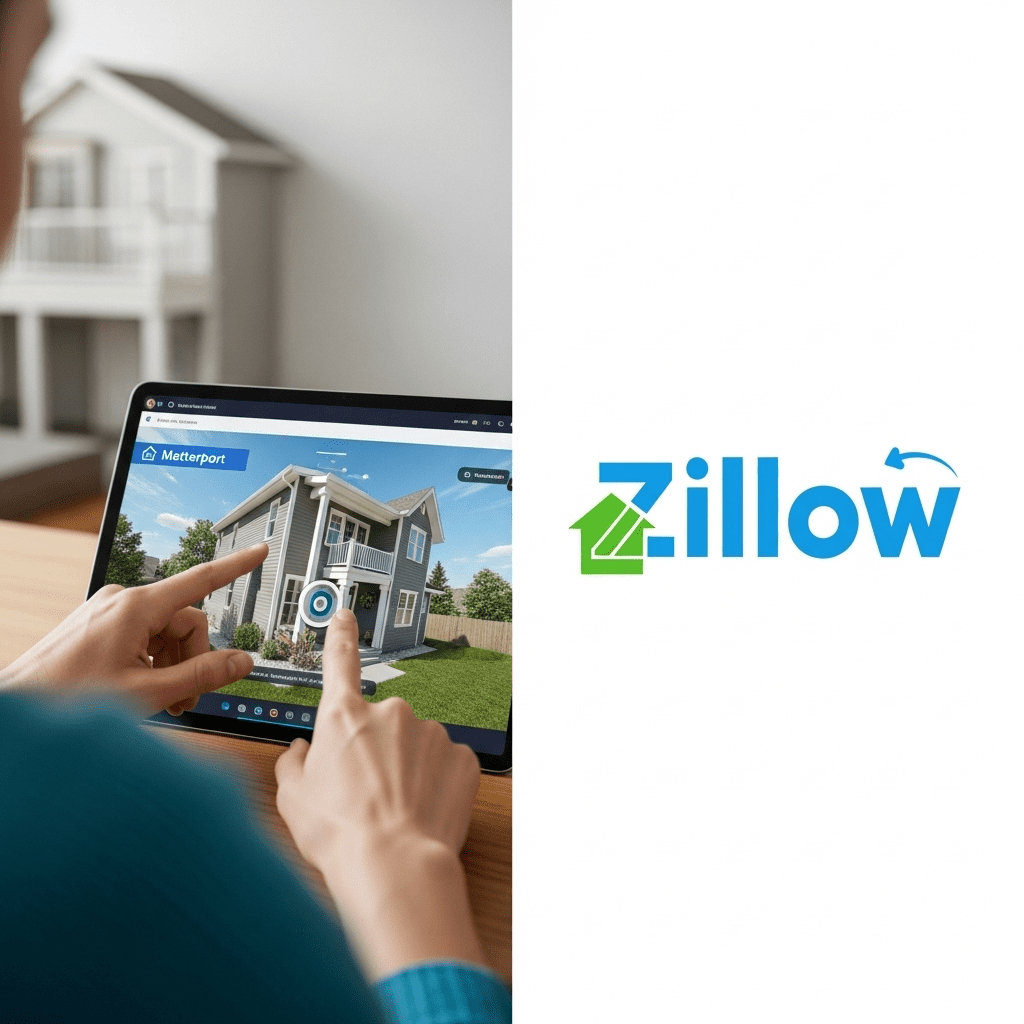
The recent move where Zillow pulls Matterport tours from its listings is reshaping the virtual home touring experience for agents, buyers, and property investors heading into 2025. As digital innovation and immersive technology continue to drive the real estate industry, Zillow’s decision raises important questions about the role of 3D home tours and the strategies platforms use to engage users in an increasingly competitive market.
Why Zillow Pulls Matterport Tours from Its Listings
At the end of Q2 2024, many agents and property managers noticed that their listings, previously enhanced by interactive Matterport 3D tours, no longer displayed such features on Zillow. The announcement confirmed that Zillow pulls Matterport tours from its listings, citing a strategic shift towards proprietary technology. Instead of relying on third-party providers like Matterport, Zillow is focusing on developing and expanding its own virtual tour offerings to drive direct user engagement and maintain closer control over the user experience.
This transition aligns with the financial and competitive motivations in proptech, as platforms seek to differentiate themselves and retain data within their ecosystems. For real estate agents accustomed to embedding Matterport’s industry-standard 3D home tours, this adjustment requires them to reconsider how they present properties on one of the most trafficked real estate portals in the United States. Digital transformation in real estate is thus facing a notable fork in the road.
Implications for Homebuyers and Real Estate Investors
For buyers and investors, the absence of Matterport’s rich, room-by-room navigation might translate into a less immersive browsing experience. Zillow promises alternative solutions, such as its 3D Home tours, but users familiar with Matterport’s smooth interface and detailed floor plans may find the change limiting, at least in the short term. For investors—especially those active in remote or out-of-state markets—reliable virtual tours are critical in evaluating opportunities efficiently and minimizing travel, which ties into broader investment insights.
Virtual Home Tour Technology: Market Trends and Rivalries
The decision that Zillow pulls Matterport tours from its listings comes amid rapid innovation in real estate marketing. The pandemic-fueled surge in demand for virtual tours elevated Matterport’s status but also prompted tech giants like Zillow and Redfin to invest in proprietary platforms. In shifting away from third-party integrations, Zillow mirrors a larger trend of digital platforms tightening control over their user journeys, similar to the vertical integration seen in fintech and e-commerce.
According to a 2024 NAR report, over 70% of buyers view virtual tours as essential. Zillow’s native 3D Home tool, while accessible, may not yet offer the depth or widespread adoption of Matterport, creating a transitional period where agents must choose between listing optimization on Zillow or hosting advanced tours elsewhere. As a result, some agents may double-list or promote their listings on competing sites that still support Matterport.
Strategic Considerations for Agents and Brokers
Agents leveraging Zillow as their primary marketing channel must quickly adapt. The shift could drive increased adoption of Zillow’s in-house 3D technology but may also push some toward alternative platforms favoring diverse virtual tour integrations. For brokerages, revisiting digital marketing budgets and partnerships is prudent, especially with the growing link between immersive technology and faster, higher-value transactions.
It’s also a pivotal moment for technology providers like Matterport, who are now compelled to expand their direct relationships with brokerages or enhance compatibility with emerging platforms. Market participants should monitor these shifts closely to anticipate how buyer behavior and search patterns are impacted—a key consideration for those seeking market analysis on future proptech waves.
What’s Next for Virtual Home Tours After Zillow Pulls Matterport Tours?
This decision is not the end for Matterport nor for advanced virtual touring in the real estate ecosystem. Instead, it marks a competitive turning point, encouraging innovation and possibly more differentiated offerings across sites. Sellers and agents should expect ongoing updates from Zillow regarding their proprietary solutions—watching for improved capabilities and user experience enhancements throughout 2025.
Investors and agents looking to optimize listing performance need to focus on multi-platform strategies, compare analytics, and prioritize flexibility in adopting new technologies. As the landscape evolves, staying informed about platform policies and consumer expectations will be crucial for continued success in digital-first real estate marketing.
Ultimately, as Zillow pulls Matterport tours from its listings, the broader move is likely to accelerate competition, innovation, and reconfiguration in how homes are shown, searched, and ultimately sold in 2025’s dynamic housing market.




