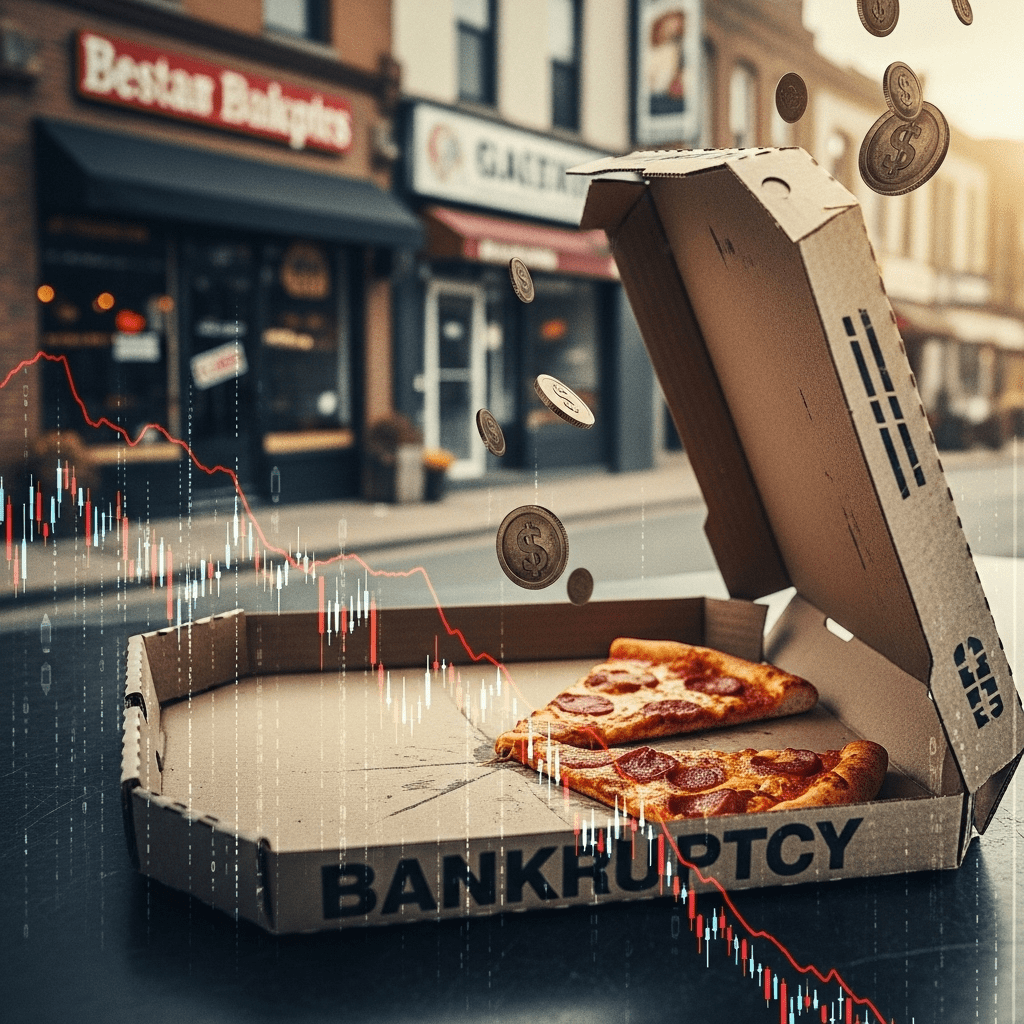
The 49-year-old pizza chain bankruptcy has led the company to seek Chapter 11 protection, signaling ongoing pressures in the U.S. casual dining sector. Investors are closely watching broader impacts on restaurant stocks and consumer spending patterns in 2025.

What Happened

In a filing submitted this week to the U.S. Bankruptcy Court for the Northern District of Texas, Pizza Inn Holdings, a 49-year-old pizza chain with more than 200 locations nationwide, filed for Chapter 11 bankruptcy protection (source: Bloomberg). According to SEC disclosures and court documents, the company cited a “deteriorating financial position” and “prolonged inflation on ingredient costs” as primary triggers for its insolvency. Industry analysts note that foot traffic at the chain’s dine-in stores fell by 18% year-over-year in Q1 2025, despite limited growth in its take-out segment.

Why It Matters

The 49-year-old pizza chain bankruptcy underscores mounting challenges for mid-tier restaurant operators as inflation, shifting consumer habits, and competitive delivery platforms continue to thin margins across the industry. According to a 2025 Restaurant Industry Performance Index by the National Restaurant Association, over 22% of similar chains are now operating at or below break-even levels. The situation is reminiscent of 2020-2021, when established brands faced pandemic-era closures—but this time, enduring inflation and labor shortages are the leading headwinds. As franchise closures mount, the risk of contagion to related restaurant stocks and suppliers grows, raising questions for sector investors.

Impact on Investors

For shareholders and debt holders of Pizza Inn Holdings (PZZI), the bankruptcy filing makes recovery prospects highly uncertain, especially with restructuring plans calling for potential store closures and asset sales. Shares of major restaurant tickers such as Domino’s (DPZ) and Yum! Brands (YUM) initially swung lower in intraday trading—signaling sector-wide concerns. J.P. Morgan analyst Leah Sanders commented, “This bankruptcy may act as a cautionary tale. Investors should focus on restaurant brands with clear pricing power, digital channels, and stable franchisee networks.” Investors may find market analysis on consumer sectors helpful to monitor how peers manage inflationary pressures and capital allocation.

Expert Take

Analysts note that the 49-year-old pizza chain bankruptcy is “symptomatic of a highly competitive, low-margin sector battered by labor headwinds and cost inflation.” Market strategists suggest diversification within consumer discretionary holdings and maintaining vigilance on balance sheet health for sector picks.

The Bottom Line

The 49-year-old pizza chain bankruptcy highlights persistent challenges for legacy restaurant brands in 2025. Investors are advised to closely watch consumer discretionary earnings and sector outlooks for further signs of strain or resilience. For deeper coverage on retail and restaurant stocks, visit investment insights and sign up for regular industry updates.

Tags: pizza chain bankruptcy, restaurant stocks, Chapter 11, consumer discretionary, market analysis.

Share.

Specializes in financial journalism, providing readers with concise, reliable analysis of markets and economic developments.

Comments are closed.

Trade With A Regulated Broker

Your capital is at...

Your capital is at...

Your capital is at...

Your capital is at...

Your capital is at...

Your capital is at...

Your capital is at...

Your capital is at...

Your capital is at...

Your capital is at...

Your capital is at...

Your capital is at...

Your capital is at...

Your capital is at...

Your capital is at...

Your capital is at...

Your capital is at...

Your capital is at...

Disclaimer

The materials provided on this website, including news updates, analyses, opinions, and content from third-party sources, are intended solely for educational and informational purposes. They do not constitute financial advice, recommendations, or an invitation to take any specific action, including making investments or purchasing products. Any financial decision you make should be based on your own research, careful consideration, and consultation with qualified professionals. Content on this site is not tailored to your personal financial circumstances or objectives. Information may not be provided in real-time and may not always be accurate or complete. Market prices referenced may come from market makers rather than official exchanges. Any trading or investment decisions you make are entirely your responsibility, and you should not rely solely on the content provided here. ThinkInvest makes no warranties regarding the accuracy, completeness, or reliability of the information presented and shall not be liable for any losses, damages, or other consequences resulting from its use. This website may feature advertising and sponsored content. ThinkInvest may receive compensation from third parties in relation to such content. The inclusion of third-party content does not constitute endorsement or recommendation. ThinkInvest and its affiliates, officers, and employees are not responsible for your interactions with third-party services or websites. Any reliance on the information presented on this website is at your own risk.

Risk Disclaimer

This website provides information on cryptocurrencies, contracts for difference (CFDs), and other financial instruments, as well as related brokers, exchanges, and market participants. These instruments are complex and carry a significant risk of loss. You should carefully evaluate whether you understand how they work and whether you can afford the potential financial losses. ThinkInvest strongly recommends conducting your own thorough research before making any investment decisions. Do not invest in any instrument that you do not fully understand, including the risks involved. All trading and investment decisions are made at your own risk. The content on this website is intended for educational and informational purposes only and should not be taken as financial advice or a recommendation to buy, sell, or hold any particular instrument. ThinkInvest, along with its employees, officers, subsidiaries, and affiliates, is not responsible for any losses or damages resulting from your use of this website or reliance on its content.
© 2025 Thinkinvest. Designed by Thinkinvest.
Exit mobile version