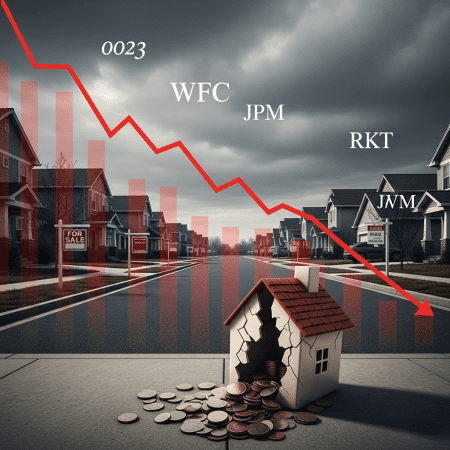







Freddie Mac ($FMCC) revealed that the average age of first-time home buyers surged to 36 in 2025—the oldest on record, spotlighting the “average age first-time home buyer” trend. The sharp climb, surpassing prior forecasts, raises new questions for real estate, investors, and start-up stakeholders.
First-Time Home Buyer Average Age Jumps to 36 in 2025, Says Freddie Mac
The average age of first-time home buyers climbed to 36 years in 2025, up from 33 in 2019, according to Freddie Mac ($FMCC) and the National Association of Realtors (NAR) 2024 annual report. This is the highest since NAR began tracking the metric in 1981. Over 54% of first-time buyers now fall between ages 33 and 41, with only 20% under 30, reflecting a dramatic generational delay. Concomitantly, median first-time home prices soared to $384,500 as of July 2025, a 28% increase from 2020, per Bloomberg data published in September 2025.
Why Rising First-Time Buyer Age Signals Structural Housing Market Shift
This rising “average age first-time home buyer” highlights broad affordability pressures across the U.S. housing sector. Higher mortgage rates—averaging 6.9% in Q3 2025, per Federal Reserve Economic Data (FRED)—and aggressive price appreciation have outpaced wage growth, making home ownership increasingly unattainable for younger generations. Industry analysis from Redfin’s September 2025 Housing Market Update notes that student debt burdens, stricter lending standards, and post-pandemic inflation have further squeezed purchasing power. Compared to 2011, when the median age was 29, the current trajectory signals a longer-term generation-wide shift in housing market entry.
Investor Strategies: Positioning Portfolios Amid Delayed Home Ownership
Seasoned investors tracking the real estate and financial sectors are recalibrating allocations in response to the delayed entry of first-time buyers. Public homebuilders such as D.R. Horton ($DHI) and Lennar ($LEN) have shifted product pipelines toward smaller, affordable single-family homes and build-to-rent offerings. REITs with exposure to multi-family and rental sectors—like Invitation Homes ($INVH)—outperformed the S&P 500 Real Estate Index by 4% year-to-date, according to FactSet data as of October 2025. Investors seeking defensive diversification may prioritize sectors aligned with rental demand, while those focused on emerging tech should watch proptech unicorns leveraging AI for mortgage processing and rent-to-own platforms. For a broader context on market positioning, view stock market analysis and explore other latest financial news on shifting real estate trends.
Market Outlook: Analysts Expect Persistent Headwinds for Younger Buyers
Investment strategists at Morgan Stanley and research from the Urban Institute (2024) project that first-time buyer ages will likely remain elevated unless there is a significant moderation in home prices or interest rates. Industry analysts caution that ongoing inflation and high borrowing costs will persist through at least mid-2026, consistent with Federal Open Market Committee (FOMC) meeting notes from September 2025. The consensus is that affordability challenges and structural demand shifts will continue to reshape the U.S. housing landscape throughout the decade.
Record First-Time Buyer Age Signals New Era for Housing Market Investors
The record-high “average age first-time home buyer” underscores an inflection point for U.S. real estate, as younger Americans defer home purchases longer than ever before. Investors should monitor build-to-rent models, REIT dynamics, and proptech innovation as secular trends. Watching for shifts in interest rates and affordability programs will be crucial to identify new opportunities and risks heading into 2026.
Tags: homebuying, $FMCC, real estate, housing market, first-time buyers