






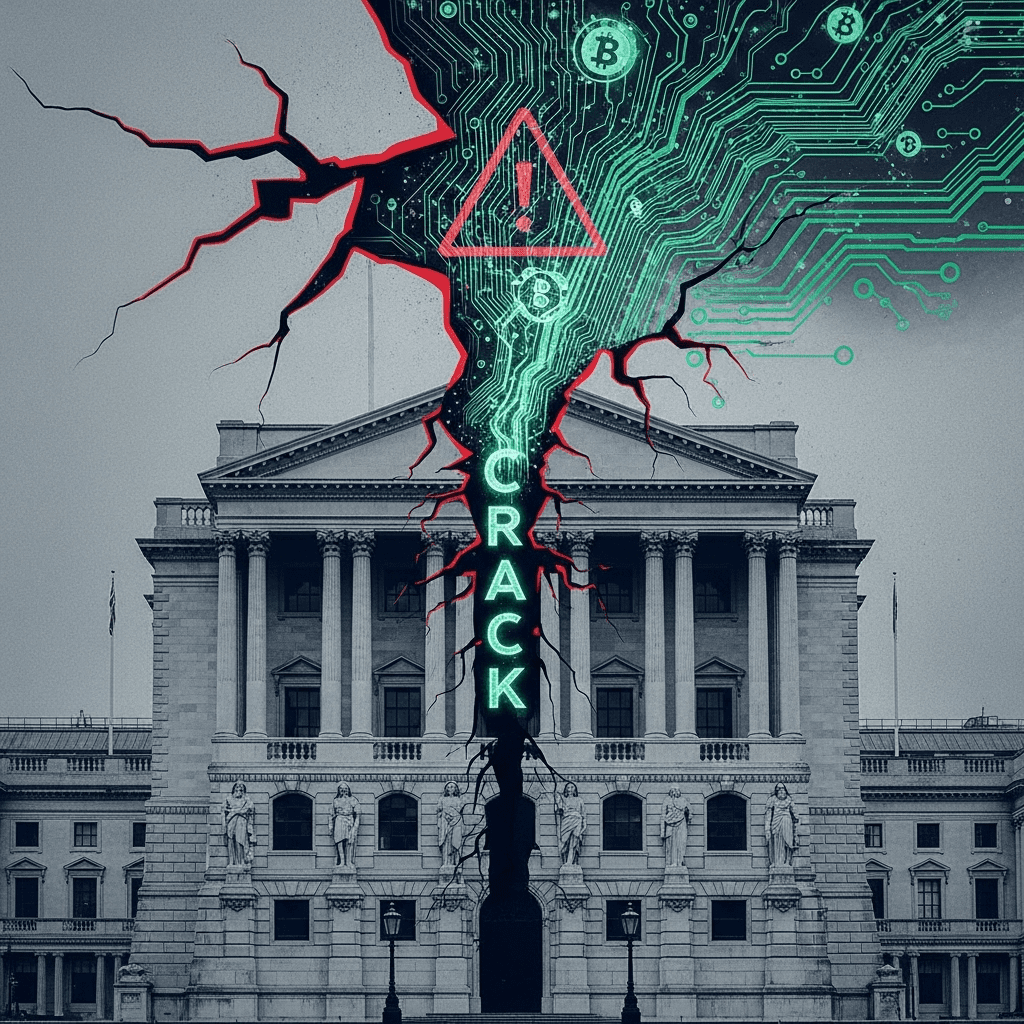
Bank of England ($BOENGL) Deputy Governor Sarah Breeden revealed that diluted stablecoin regulations could imperil UK financial stability, with the Bank of England stablecoin warning sparking debate across crypto and banking circles. Why is the UK risking its lead in digital assets at such a critical policy moment?
Bank of England Raises Alarm Over Stablecoin Rule Loopholes
On November 11, 2025, Deputy Governor Sarah Breeden of the Bank of England ($BOENGL) cautioned that efforts to relax proposed stablecoin regulations may introduce “real financial stability risks” to the UK. Speaking at the UK Finance Annual Crypto Conference, Breeden highlighted data from the FCA showing daily stablecoin trading in the UK averaged $730 million in Q3 2025, up 48% year-on-year (source: FCA Market Report, October 2025). The current regulatory framework under consultation would classify fiat-backed stablecoins as a new payment system, but key bank-exposure and capital requirements remain under review. Breeden warned that exemptions for smaller issuers or lighter reserve standards, being pushed by some in Parliament, could undermine systemic safeguards—especially as stablecoins now represent 7.5% of UK payment volumes, up from 3% in 2024 (source: Bank of England Payments Data, September 2025).
How UK Crypto Regulation Shift Impacts Global Stablecoin Markets
The Bank of England’s intervention comes as global investment in UK-based stablecoin ventures has surged, with London accounting for 36% of all European crypto payment startups launched since 2023 (source: PitchBook, July 2025). Industry analysts note that any dilution of rules may weaken the UK’s credibility as a trusted digital finance hub. Historically, effective regulation has underpinned investor confidence, as seen in the post-2022 recovery where regulated exchanges regained 28% market share from offshore competitors (CoinMarketCap, April 2025). Conversely, policy uncertainty often triggers market volatility; the total market cap of pound-linked stablecoins jumped 22% in H1 2025, partly driven by speculation around regulatory outcomes. If the UK adopts lighter-touch rules, industry observers fear that major international stablecoin issuers may “jurisdiction-shop,” reducing overall transparency in the ecosystem. For more coverage of these evolving cryptocurrency market trends, see our analysis hub.
Investor Strategies Amid Stablecoin Regulatory Uncertainty
For institutional investors and funds with exposure to UK stablecoin issuers, the policy debate represents both risk and opportunity. Firms trading digital payment tokens may benefit from short-term regulatory arbitrage, but face longer-term reputational and counterparty risks if oversight remains fragmented. Investors holding shares in major fintech platforms like Wise Plc ($WISE) or Revolut, with rising stablecoin volumes, should monitor capital adequacy ratios and risk disclosures amid shifting rules. Meanwhile, UK-focused digital asset ETFs recorded 14% monthly NAV volatility from August to October 2025 (Morningstar), substantially higher than the 6% average in global crypto ETFs. Long-term investors may prefer index-based exposure to minimize single-token regulatory shocks, while traders can capitalize on near-term price swings as Parliament debates key amendments. For more actionable analysis, visit our crypto insights section and review the latest financial news for real-time developments.
What Analysts Expect as UK Stablecoin Policy Evolves
Market strategists at major UK banks observe that the Bank of England’s warnings align with G7 financial stability frameworks and could result in strict reserve standards for all large stablecoin operators. Industry experts note that, absent robust regulation, risks of asset-liability mismatches and rapid redemptions grow as market volumes increase. According to industry analysts, any policy delays or perceived regulatory weakness could trigger further pound-denominated stablecoin volatility and prompt hedge funds to rebalance UK digital payment exposures. The consensus holds that final rules—expected by Q1 2026—will shape not just UK adoption, but global stablecoin best practices.
Stablecoin Regulation Warning Signals New Era for Crypto Markets
The Bank of England stablecoin warning underscores the stakes as Parliament shapes digital asset oversight. With UK stablecoin payments doubling in one year, investors should watch regulatory developments closely, as final rules could transform the risk-return profile for both issuers and holders. Diligent monitoring of policy and market signals will be critical as the next regulatory era unfolds.
Tags: stablecoin regulation, Bank of England, crypto markets, UK fintech, $BOENGL