





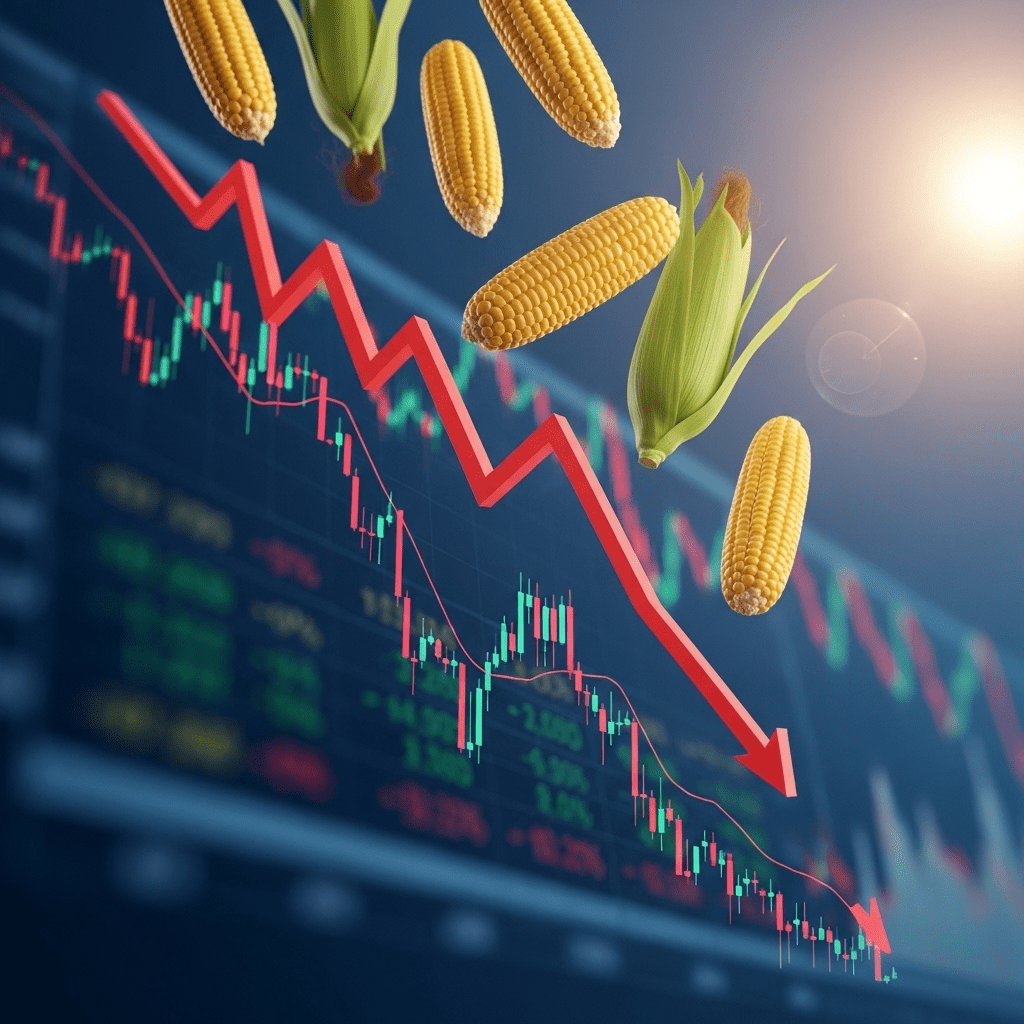
Markets are taking note of corn falling at midday, as prices experienced a sharp downturn during the latest trading session. This movement has significant implications for commodities traders and investors closely following agricultural markets, with concerns mounting regarding supply, demand, and global economic factors.
Corn Falling at Midday: Market Drivers and Immediate Impact
The phenomenon of corn falling at midday typically points to shifting market sentiment prompted by fresh data releases, geopolitical developments, or sudden changes in weather forecasts. On today’s session, the primary catalyst for the decline appears to be a combination of favorable crop progress reports from the U.S. Midwest and easing export demand as reflected in recent USDA updates. This midday dip underscores the volatility inherent in agricultural commodities, especially as traders recalibrate their positions in response to evolving information.
Supply Surplus and Favorable Weather Conditions
Weather plays a persistent role in corn pricing, and current conditions are optimal for crop development across key growing regions. The USDA’s June report suggests a higher-than-expected acreage planted and a robust yield outlook. As a result, concerns of a supply surplus are pressuring spot and futures prices. Many market participants are adjusting risk management strategies to adapt, according to insights shared on commodity trading best practices.
Global Demand Shifts and Export Challenges
The outlook for U.S. corn exports has softened amid increasing global competition. Major importers such as China and Mexico are reassessing their import schedules due to domestic stockpiles and improved harvests elsewhere. This shift has contributed to corn falling at midday as traders react to weakening demand prospects. Meanwhile, increased supply from South American producers like Brazil is further dampening U.S. corn’s export advantage.
Analyzing Technical Indicators as Corn Falls at Midday
The midday drop is also reflected in technical trading signals. Chart patterns exhibited a bearish reversal, with moving averages crossing below key support levels. Volume spikes were evident, especially in electronic trading, signaling large institutional moves. These signals often amplify midday price swings and are closely watched by short-term traders and professional analysts. Tracking indicators is crucial for timely responses to market changes, as noted in technical analysis tools highlighted by commodities experts.
Managed Money and Speculative Positioning
Other contributors to midday volatility include shifts in managed money and speculative hedging. In the most recent Commitment of Traders (COT) report, net long positions in corn futures have declined, suggesting funds are lightening exposure amid growing uncertainty. This dynamic often accelerates downward moves, especially during low liquidity periods at midday when professional traders adjust their portfolios quickly.
Broader Implications: Corn Falling at Midday and Investor Strategies
The continued trend of corn falling at midday raises strategic questions for investors. For those with exposure to agricultural ETFs or farming equities, the midday slump may signal the need for portfolio rebalancing. Longer-term, investors are assessing whether these midday corrections reflect structural changes in the global agri-market or present temporary buying opportunities.
Hedging and Risk Management in Volatile Markets
Effective risk management strategies such as stop-loss orders and diversified commodity portfolios can help mitigate losses from intraday swings. Many seasoned investors review historical correlational data and volatility patterns to inform their positions. Accessing current market research and expert perspectives is essential—resources like market outlook reports provide investors with the analysis needed to navigate such a dynamic environment.
Outlook and What to Watch As Corn Continues to Fall at Midday
Looking ahead, market participants will focus on updated weather data, export figures, and policy developments from key producers. The corn falling at midday trend emphasizes the necessity for proactive trading and staying attuned to fundamental and technical drivers. As the second half of 2025 unfolds, traders will watch to see if today’s moves signal a longer-term downtrend or the kind of midday correction that often precedes a rebound in volatile markets.
In conclusion, corn falling at midday remains a crucial indicator for commodities traders and investors alike. By closely monitoring supply-demand dynamics, technical charts, and global developments, market participants can better position themselves amid ongoing volatility.