




The news that CPI inflation stayed high in September has prompted concern across financial markets and policymaker circles. Persistent consumer price index (CPI) increases in late 2024 now frame investor outlook heading into 2025, raising critical questions about the direction of U.S. monetary policy, economic stability, and market opportunities.
Why CPI Inflation Stayed High in September Matters for Investors
When CPI inflation stayed high in September, the development did more than confirm a trend—it amplified uncertainty over the Federal Reserve’s next moves and the resilience of U.S. households. According to the Bureau of Labor Statistics, headline CPI rose at an annual pace well above the Fed’s long-term 2% target, driven by elevated shelter, energy, and food prices. Monthly core CPI figures (stripping out food and energy) also registered stubbornly high, dashing hopes for rapid disinflation.
This persistent inflationary pressure erodes real wages, constrains consumer spending, and challenges both fiscal and monetary policy. For investors, navigating inflation-linked volatility requires careful asset allocation and up-to-date investment insights.
Breaking Down the September CPI Data
September’s report showed headline CPI climbing by 0.4% month-over-month and 3.6% year-over-year. Notably, shelter costs continued to rise—accounting for over 40% of the headline increase—while services inflation remained sticky. Energy prices, volatile yet impactful, rebounded on global supply concerns.
By comparison, core CPI advanced 0.3% for the month and 4.0% year-over-year, signaling entrenched price pressures even as some goods categories saw relief. The BLS cited increases in rents, auto insurance, medical services, and transportation as significant contributors.
Impact on Monetary Policy and Market Sentiment
That CPI inflation stayed high in September puts the Federal Reserve in a difficult position. Despite prior rounds of aggressive rate hikes, the Fed has yet to declare victory over inflation. As a result, investors increasingly anticipate that the central bank will maintain—or even further increase—benchmark interest rates through the opening months of 2025.
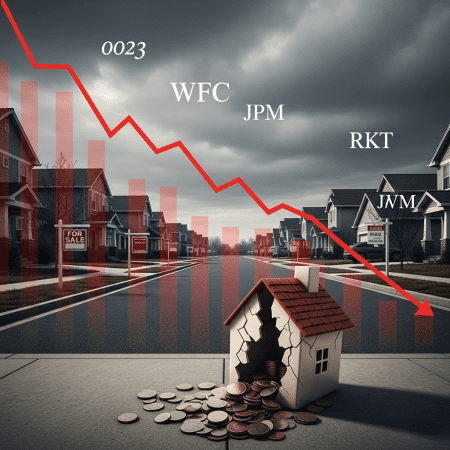
Tighter financial conditions often translate into higher borrowing costs, slowing credit growth and weighing on equity valuations, particularly in sectors like consumer discretionary and housing. However, some fixed-income opportunities, such as Treasury Inflation-Protected Securities (TIPS), have gained traction among risk-conscious investors seeking shelter amid volatility. Consider reviewing market analysis regularly to adapt to these monetary shifts.
Global and Domestic Drivers of Persistent Inflation
Several factors help explain why CPI inflation stayed high in September:
- Supply Chain Frictions: Despite easing from pandemic-era disruptions, logistics bottlenecks and labor shortages lingered, especially in transportation and manufacturing sectors.
- Energy Price Volatility: Global oil supply cuts and geopolitical tensions boosted gas and utility costs during late summer and early autumn.
- Shelter and Services Demand: Strong labor markets supported sustained demand for rental housing and essential services, pushing up prices.
- Fiscal Policy Support: Earlier stimulus effects and elevated government spending continued to filter through the economy, bolstering aggregate demand.
These combined headwinds make it challenging for inflation to return quickly to target ranges, complicating monetary and fiscal planning.
How Should Investors Respond to Persistently High CPI Inflation?
Given that CPI inflation stayed high in September, investors are weighing several strategic considerations heading into 2025. Diversification remains paramount, with renewed interest in value stocks, commodities, and inflation-hedged bonds. Maintaining exposure to sectors with pricing power—such as energy, healthcare, and parts of technology—can help buffer portfolio returns against cost pressures.
At the same time, elevated inflation enhances the appeal of alternative assets like real estate and commodities, both of which historically perform well during inflationary cycles. For more tactical guidance on asset allocation and risk management in this environment, investors can consult current financial planning resources.
Short- and Long-Term Economic Implications
If inflation plateaus at these elevated levels into early 2025, the risk of a “higher for longer” rate regime will persist. That scenario could slow GDP growth, raise recession fears, and potentially trigger further adjustments in both fiscal and monetary policy. Alternatively, a gradual cooling of underlying inflation pressures would bolster market confidence and ease pressure on consumers and businesses alike.
Outlook: Monitoring Inflation Risks into 2025
Although CPI inflation stayed high in September, economists forecast gradual moderation over the coming quarters, contingent upon energy market developments and labor market trends. Close monitoring of forward-looking CPI prints—as well as wage and employment data—remains critical.
Policymakers, business leaders, and investors alike must stay agile to respond to evolving data and unexpected shocks. By staying informed and adjusting strategies accordingly, market participants can better weather inflation-driven market shifts and seize new opportunities as they arise.