




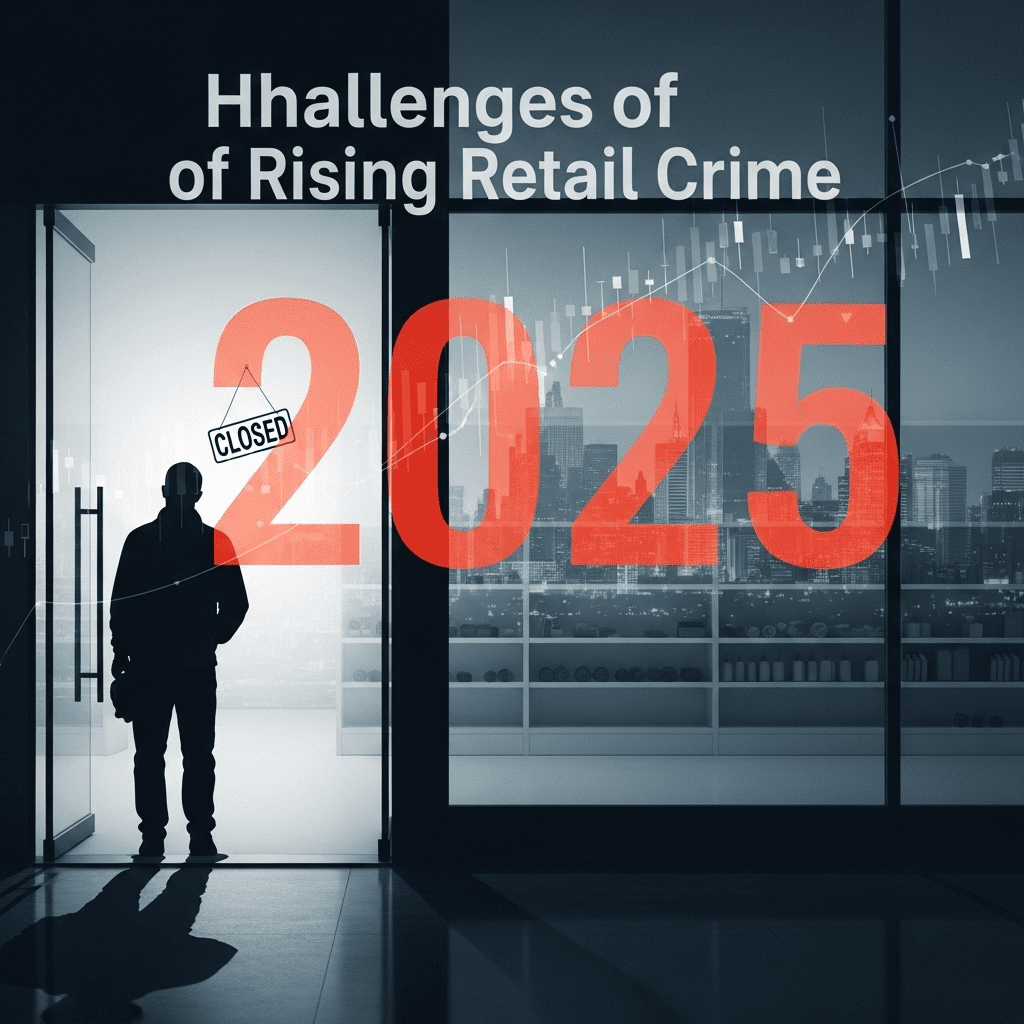
Recent crime reports show rise in shoplifting and fraud across major U.S. cities, igniting debates about the wider economic implications and raising red flags for investors and business owners as 2025 approaches. The intersecting challenges of retail crime and financial fraud now demand sharper risk assessment as theft threatens profit margins and marketplace integrity.
Crime Reports Show Rise in Shoplifting and Fraud: A 2025 Overview
In the past year, retailers and law enforcement have documented a notable surge in shoplifting and fraud incidents. National Retail Federation data points to a double-digit percentage increase in theft-related losses, with organized retail crime emerging as a persistent threat. As crime reports show rise in shoplifting and fraud, companies from big-box stores to local chains report mounting shrinkage rates, often leading to profit warnings and even store closures.
The Economic Ripple Effect on Businesses and Consumers
The sudden escalation in shoplifting and fraud is more than a law enforcement issue—it represents a systemic economic challenge. Retailers are absorbing billions in losses annually, forcing many to invest in costly security solutions and anti-theft technologies. According to security consultants, this trend has increased operational costs and contributed to price hikes for end consumers. In 2024, several major retailers cited crime concerns as a factor affecting quarterly earnings, raising questions about long-term business sustainability and investor confidence.
Marketplace Integrity and Fraud Trends
Beyond physical theft, digital fraud continues to evolve rapidly. The latest crime reports highlight a worrying uptick in online credit card fraud, returns fraud, and identity theft targeting both e-commerce platforms and traditional retailers. Increased digitalization has expanded attack surfaces—causing business leaders to double down on cyber security measures. This scenario underscores the urgent need for robust fraud detection tools and compliance frameworks. For more on safeguarding assets and the future of commerce, see our fintech analysis.
Implications for Investors and the Broader Economy
The persistent rise in shoplifting and fraud sends mixed signals to the financial markets. For investors, heightened retail crime often correlates with increased operational risk and diminished earnings visibility. Large retail stocks have experienced volatility in response to publicized theft incidents, with several analysts revising forecasts based on sector exposure to crime-related losses. Portfolio managers are now more attuned to these risks when evaluating retail equity or REIT holdings. Explore related investment insights for closer analysis of sector impacts.
Policy Responses and Retail Adaptations
As crime reports show rise in shoplifting and fraud, policymakers are taking varied approaches. Some cities are increasing penalties for organized retail crime, while others expand partnerships between private security and local law enforcement. On the business front, innovative loss-prevention technologies—such as AI-driven video surveillance—are becoming standard. This regulatory and operational environment will continue to evolve as public pressure mounts to protect both business viability and consumer access to goods.
Long-term Outlook and Strategic Considerations
Looking ahead to 2025, financial experts and retail executives are bracing for continued turbulence. The interplay between economic uncertainty, evolving criminal tactics, and regulatory responses will shape both the retail landscape and adjacent sectors supported by consumer commerce. Proactive risk management, technology investments, and informed policy advocacy will be critical for sustained growth. For additional analysis of macroeconomic risks and retail market trends, visit our latest market commentary.
Conclusion: Navigating Rising Retail Crime Risks
The reality that crime reports show rise in shoplifting and fraud reinforces the need for holistic strategies—spanning from robust internal controls to external collaboration. For investors, business leaders, and policymakers, understanding and addressing these trends will be vital to preserving economic value and marketplace trust as 2025 unfolds.