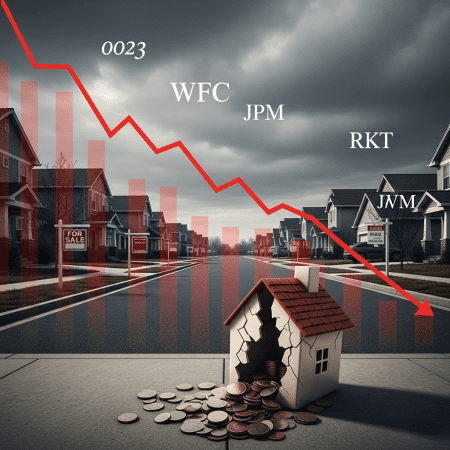






Deckers stock slumps after the footwear giant, known for its Hoka and UGG brands, warned investors of a potential consumer pullback driven by escalating tariffs and rising prices. The announcement has sparked significant volatility in the consumer retail sector, as Wall Street analysts reassess forecasts for discretionary spending in 2025.
Deckers Stock Slumps Amid Tariffs and Price Hikes
Shares of Deckers Outdoor Corporation (NYSE: DECK) tumbled sharply on Tuesday after the company’s quarterly earnings call revealed growing concerns about the impact of tariffs and inflationary pressures on consumer behavior. CEO Dave Powers stated during the call that “sustained cost increases, largely due to new tariffs on imported footwear, have led to higher retail prices—testing the resilience of even our most loyal customers.” The Deckers stock slumps scenario highlights broader anxieties about the footwear and apparel industry as geopolitical risks and input costs continue to surge.
Consumer Sentiment and Retail Headwinds
Deckers’ portfolio, led by the explosive growth of the Hoka brand, has enjoyed remarkable momentum over recent years as consumers prioritized comfort and athleticwear. However, 2025 has seen warning signs that changing economic conditions are curbing discretionary spending. According to recent market analysis, U.S. households are feeling the strain from sticky inflation and a cooling jobs market, dampening enthusiasm for premium-priced footwear.
In its forward guidance, Deckers cautioned that “shoppers are becoming more price-sensitive,” especially as new U.S. tariffs on Chinese-made shoes feed directly into retail prices. The company’s margin pressures are further exacerbated by elevated freight and logistics costs, making it more challenging to offer promotional discounts that would bolster demand.
Impact on Global Supply Chains and Competitors
Deckers’ warning reverberated beyond its own stock, dragging down shares of competing footwear makers like Nike, Skechers, and Adidas. Industry analysts suggest that the “tariff premium” is now baked into cost structures, forcing companies to rethink inventory strategies and even shift some sourcing to alternative markets such as Vietnam or Indonesia. However, such transitions require capital expenditure and time, adding further uncertainty to the 2025 outlook.
What the Deckers Stock Slumps Means for Investors
For equity investors tracking the Deckers stock slumps news, the immediate impact has been negative, with DECK dropping more than 10% intraday, wiping out several weeks of gains. Despite Deckers’ long-term track record of brand innovation and operational discipline, the near-term headwinds pose risks for both growth projections and profit margins.
Market strategists recommend that investors remain vigilant in monitoring inflation data, tariff developments, and consumer sentiment indices, all of which are likely to weigh heavily on performance across the apparel and footwear sector. For further insights into portfolio diversification, many analysts advocate a balanced allocation between cyclical consumer stocks and more defensive assets as economic uncertainty lingers.
Deckers’ Strategic Response and Industry Outlook
Deckers executives outlined a series of mitigation strategies, including cost optimization, expanded direct-to-consumer initiatives, and targeted inventory management. The company also highlighted ongoing investments in e-commerce technology and international expansion as pathways to offset North American market slowdowns.
Even so, the effectiveness of these measures remains to be seen, especially if tariffs and inflation persist. Retail experts at consumer trends reports note that Deckers’ ability to maintain customer loyalty amid higher prices will be closely watched by investors and competitors alike.
Looking Ahead: Navigating Market Volatility After Deckers Stock Slumps
As the Deckers stock slumps episode underscores, global supply chain disruptions, trade policy changes, and inflation are shaping an increasingly complex landscape for footwear and apparel companies in 2025. Investors should continue to monitor macroeconomic indicators and quarterly earnings updates to gauge the sector’s resilience.
While Deckers’ management has demonstrated flexibility in past downturns, the magnitude of current headwinds may constrain near-term returns. Those considering positions in DECK or its peers are advised to review updated risk assessments and stay attuned to policy developments, particularly around U.S.-China trade. In this rapidly evolving environment, comprehensive investment insights remain critical for making informed portfolio decisions.