




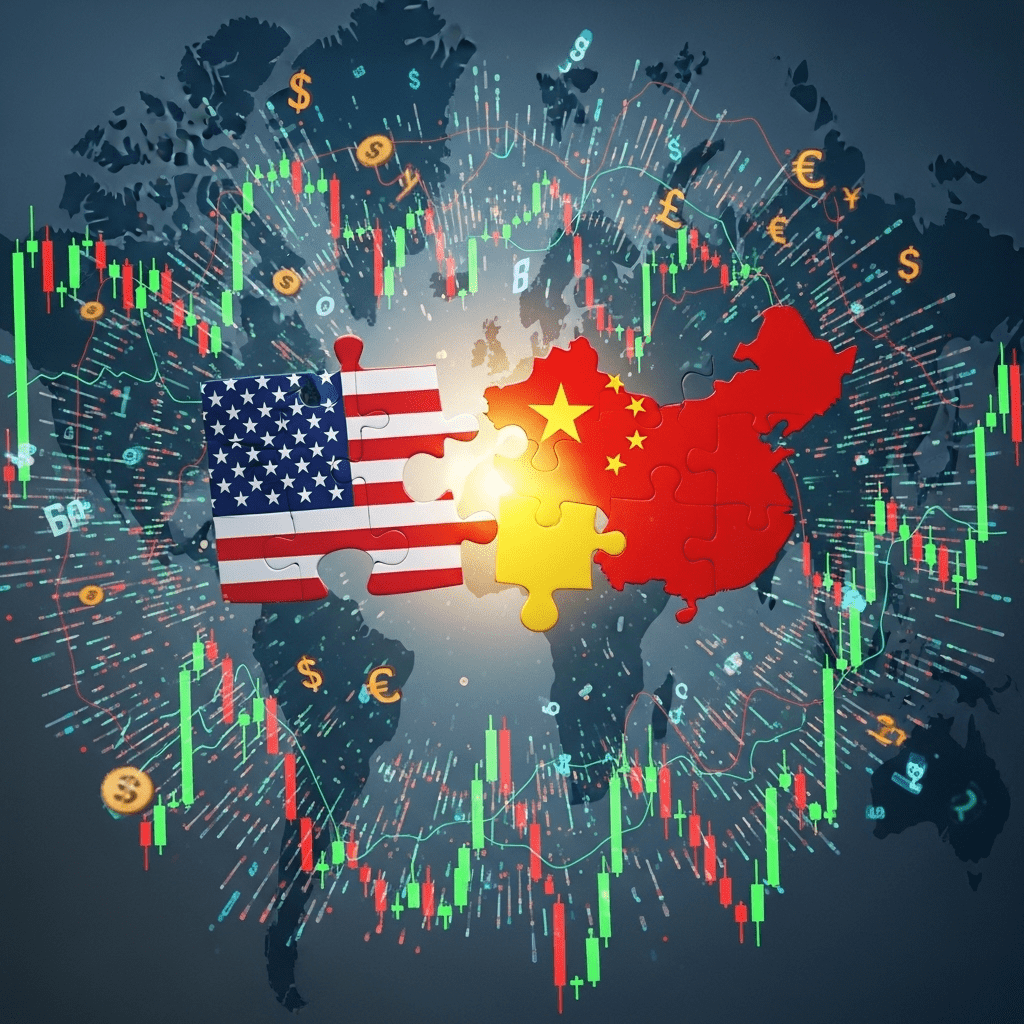
The Dollar edges higher as US-China trade tensions cool, a movement closely watched by investors grappling with global economic uncertainties in 2025. As major economies signal a return to negotiation tables and tariffs recede, foreign exchange and equity markets respond with renewed optimism and strategic repositioning.
Dollar Edges Higher as US-China Trade Tensions Cool: Analyzing Market Reactions
In early trading sessions this week, the US dollar saw modest gains against a basket of major currencies, thanks in part to the news that US-China trade tensions are cooling. Market participants point to recent diplomatic engagements between Washington and Beijing, which have led to announcements about paused tariffs and renewed cooperation on intellectual property and technology transfer. As a result, investors perceive reduced risk of global supply chain disruptions, boosting confidence across stock markets and currency exchanges.
This positive turn contrasts with the volatility seen in late 2024, when risk aversion sent the dollar and other global reserve currencies on a rollercoaster ride. Now, with talks progressing and key trade officials signaling intent to avoid further escalation, analysts expect sustained, albeit cautious, improvements in macroeconomic stability and risk sentiment.
Implications for the Stock Market and Global Equities
The stabilization in US-China relations is providing tailwinds to global equities. US indexes such as the S&P 500 and Nasdaq have ticked higher in recent days, buoyed by hopes that manufacturers and exporters may see fewer regulatory hurdles and cost pressures as cross-Pacific tariffs ease. Meanwhile, Asian equities—particularly in China and Hong Kong—have also rebounded, as investor fears of prolonged supply chain fragmentation recede.
For currency traders, the strengthening greenback reflects both increased demand for US assets and a broader appetite for risk. According to data from CME Group and BNY Mellon, institutional investors markedly increased their dollar exposure in response to the latest trade news. Strength in the dollar also signals that some investors still favor the US as a relatively safe destination for capital, even as emerging-market assets rally on improved trade sentiment.
Why Easing US-China Tensions Are Moving the Dollar
Understanding why the Dollar edges higher as US-China trade tensions cool requires a look at the interplay of investor psychology, central bank policy, and global economic fundamentals. In periods of trade-related uncertainty, the dollar has tended to act as a “safe haven” asset, with investors flocking to it at the expense of riskier investments. However, as tensions cool, the demand for safety ebbs—yet the dollar’s current upward move suggests confidence in the resilience of the US economy and the Federal Reserve’s monetary strategy for 2025.
Furthermore, a cooling trade dispute reduces inflationary pressures caused by tariffs and disrupted supply lines. This feeds into market expectations that the Federal Reserve may be able to keep rates steady or embark on a gradual loosening cycle later in the year—yet another factor attracting capital inflows into dollar assets. At the same time, improved prospects for US exporters and multinational corporations boost US stock performance and, by extension, support the greenback.
Strategic Moves for Investors in 2025
With the global economic outlook improving, active investors are reconsidering their portfolios. Emerging market equities, which suffered under previous trade tensions, are now seeing renewed interest. Currency strategists at Goldman Sachs and Citi recommend a diversified approach, balancing strong US assets with select international equities that stand to benefit from a less fragmented global trade environment.
Meanwhile, fixed income investors are monitoring the US Treasury market for signals on future Fed moves. A firmer dollar often weighs on commodities such as gold and oil, making it important for investors to remain vigilant about potential shifts in inflation, rates, and geopolitical risks.
The Broader Investment Climate: Beyond the Dollar
While the Dollar edges higher as US-China trade tensions cool, the impact goes beyond foreign exchange. For example, improved trade relations are expected to benefit sectors like technology, consumer electronics, and industrial manufacturing—not just in the US and China, but globally. These developments echo themes discussed in recent investment insights on sector rotation and global diversification.
Risk managers and institutional investors should also weigh the potential for unexpected setbacks. While the latest headlines are positive, geopolitical risks remain, and the history of US-China trade relations suggests that challenges could resurface. Accordingly, prudent investors are adopting a watchful yet opportunistic approach, seeking both safety in the dollar and growth in international assets.
Expert Commentary: What Lies Ahead?
Financial experts emphasize that the situation remains fluid. According to HSBC Global Markets, ‘the diplomatic momentum could catalyze a durable risk rally, but investors should not rule out volatility.’ Monitoring central bank communications and key economic data releases will be critical for investors seeking to anticipate the next moves in the FX and stock markets.
Ultimately, the dollar edges higher as US-China trade tensions cool, signaling cautious optimism throughout financial markets. For those focused on strategic asset allocation, staying informed via timely sources and analyzing market trends will remain essential as 2025 unfolds.