As summer temperatures soar globally, evidence shows that extreme heat risks higher for affordable housing residents are becoming a crucial concern for real estate investors and policymakers alike. With climate change intensifying, the impact on vulnerable populations — especially those living in affordable housing units — presents both ethical challenges and financial implications.
Extreme Heat Risks Higher for Affordable Housing Residents: Market and Social Impacts
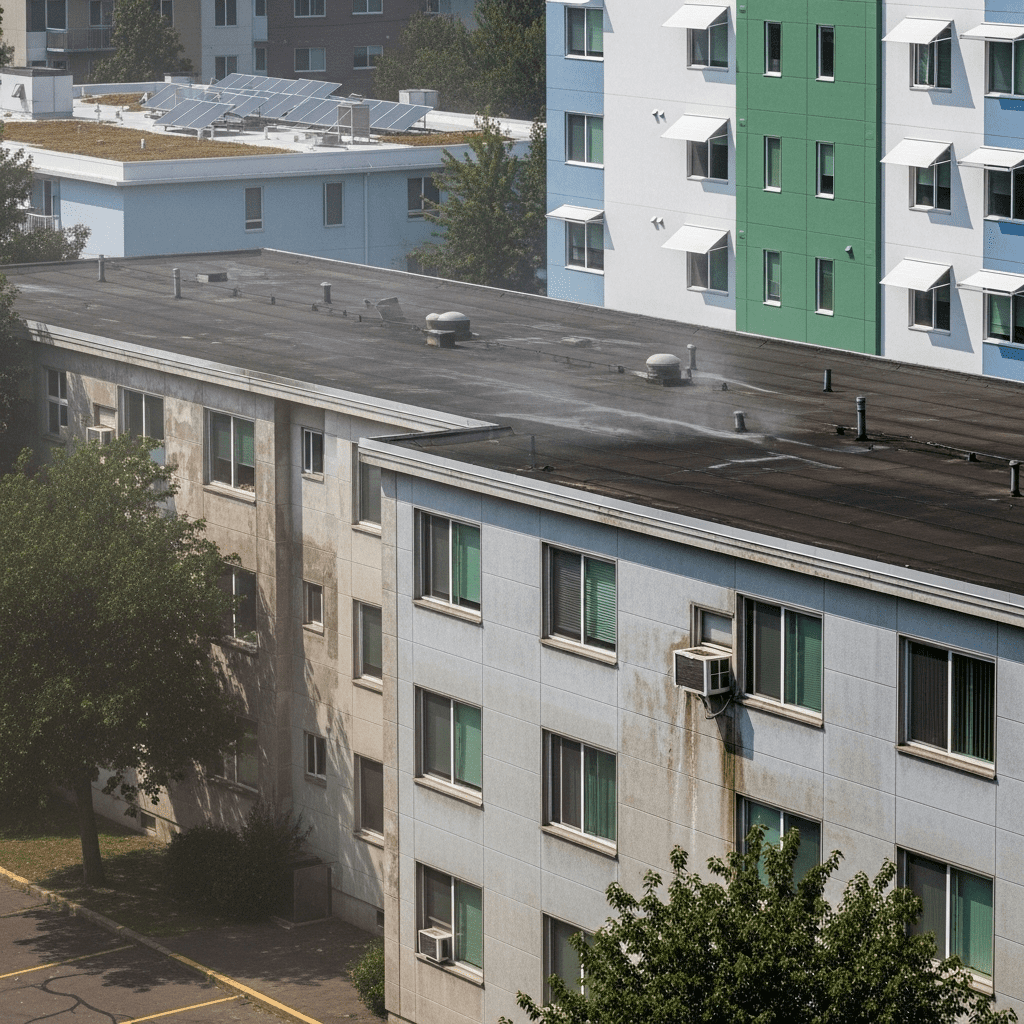
Affordable housing residents often live in older buildings that lack modern insulation, energy-efficient cooling systems, or shade-providing landscaping. According to the U.S. Department of Housing and Urban Development (HUD), more than 70% of subsidized housing units were constructed before 1980, long before current cooling and sustainability standards. As a result, these properties are significantly less equipped to shield occupants from unprecedented heatwaves, intensifying the overall extreme heat risks higher for affordable housing residents.
This exposure has a direct effect on energy consumption and costs. Families facing high utility bills are less able to afford air conditioning and can suffer health consequences including heat stroke, dehydration, and exacerbated respiratory conditions. The Centers for Disease Control and Prevention identifies low-income individuals as disproportionately affected during heat emergencies, which is exacerbated for affordable housing communities.
Investor Considerations: Real Estate Risk and Resilience
For real estate investors and asset managers, the growing evidence that climate risk impacts portfolios cannot be ignored. Properties facing chronic heat exposure risk both decreased value and higher insurance premiums. Furthermore, municipalities are increasingly adopting building codes mandating heat mitigation features such as reflective roofing, improved ventilation, and energy-efficient systems — which will raise compliance costs for property owners who haven’t proactively upgraded their assets.
Investors looking to safeguard long-term returns must assess the resiliency of affordable housing properties in at-risk regions. Retrofitting older units with heat-resistant materials or energy-efficient infrastructure like heat pumps and insulated windows not only protects residents but preserves asset value. Moreover, demonstrating proactive compliance with evolving sustainability benchmarks can be an advantage in securing public or private funding grants.
Community Health and Financial Implications of Extreme Heat
The public health ramifications of extreme heat are profound and closely linked to affordable housing. A 2023 study from the Urban Institute found that individuals in low-income housing are twice as likely to suffer heat-related health incidents compared to those in market-rate or luxury developments. Poor indoor air quality, unreliable cooling, and overcrowding further amplify these dangers.
Consequently, medical emergencies arising from extreme heat can lead to higher municipal healthcare expenditures and lost productivity. For landlords and local governments, these outcomes translate to reputational risks, increased tenant turnover, and legal liabilities. Investors should expect growing pressure from residents, advocacy groups, and regulators demanding climate-adaptive upgrades for affordable housing units.
Policy Developments and Funding Opportunities
Federal and local governments are responding to this growing crisis. In 2024, the Inflation Reduction Act and the Department of Energy launched grant programs focused on improving energy efficiency in low-income housing. These incentives offer a pathway for investors and developers to modernize housing stock while lowering capital outlays. By leveraging these public funding sources, affordable housing stakeholders can bolster resilience and potentially enhance sustainable investment returns.
Internationally, cities such as Paris and Tokyo are also introducing heat mapping and green infrastructure upgrades targeting the most vulnerable residential zones. Such initiatives are likely to set benchmarks for U.S. municipalities seeking to minimize the health and economic toll of extreme heat events.
Strategic Responses to Extreme Heat in Affordable Housing
With extreme heat risks higher for affordable housing residents now at the forefront of ESG (Environmental, Social, Governance) priorities, forward-thinking investors are actively pursuing solutions. Strategies include installing green roofs, retrofitting buildings for passive cooling, creating shaded outdoor spaces, and engaging tenants in energy awareness programs. These upgrades not only reduce thermal stress and utility expenses but can also improve property desirability and long-term financial performance.
Future Outlook: Extreme Heat as a Long-Term Investment Factor
Given the increasing frequency and severity of heatwaves projected for the coming decades, climate adaptation must be fully integrated into affordable housing investment strategies. Firms that address heat-related risks proactively are likely to capture value while aligning with regulatory and societal expectations. As the ESG landscape evolves, mitigating environmental risks will remain a differentiator for both institutional and retail investors.
Ultimately, ensuring that affordable housing can withstand extreme heat is both a humanitarian imperative and a strategic investment consideration. By combining leading-edge adaptation measures with prudent asset management, investors can protect vulnerable communities and position portfolios for resilience in a changing climate.