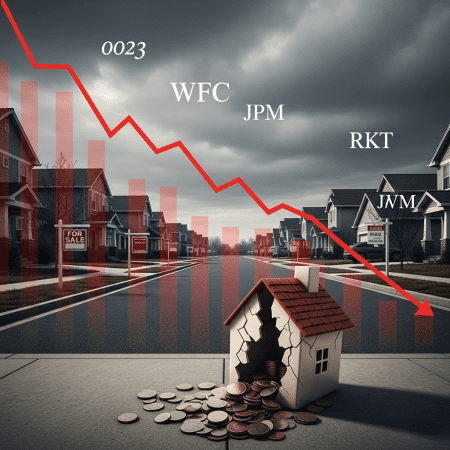







Sequoia Capital ($SEQ) revealed that over 64% of high-growth startups reporting 2025 YTD unicorn valuations lack robust financial resilience—a sobering insight driving urgent debate on “fast growth fragile foundations” in Silicon Valley. What’s pushing record-breaking fundraising but amplifying risk for founders and investors?
Startup Funding Surges 35% as Financial Risks Intensify in 2025
U.S. venture-backed startups secured $173 billion in funding in the first three quarters of 2025, up 35% from the same period last year, according to PitchBook data through September 2025. Yet Sequoia Capital ($SEQ) noted that 57% of the 149 U.S. unicorns created this year reported a cash runway under 18 months, a marked decline from 79% averaging at least 24 months during 2021’s IPO surge. Meanwhile, average startup burn rates—monthly net cash outflows—have increased 22% over the last year, Bloomberg Intelligence reported in October 2025. These trends highlight that while capital availability is strong, operational financial health is deteriorating at many high-velocity companies.
Why the Startup Sector Faces Mounting Resilience Challenges in 2025
The current environment sees record valuations and investor optimism, yet many startups in fintech, SaaS, and logistics face mounting balance sheet fragility. According to a September 2025 CB Insights report, nearly 58% of new unicorns operate with negative EBITDA, signaling underlying profitability concerns. Simultaneously, tech layoffs exceeded 79,000 as of November 2025—35% above 2024’s full-year total, per Layoffs.fyi—reflecting turbulent business models amid tightening capital markets. As rising interest rates and regulatory uncertainty bite, sector volatility rises and the risk of high-profile failures escalates. This dynamic sharply contrasts with the “growth at all costs” era of 2021, and underscores the shift toward demanding more sustainable financial models.
How Investors Can Strengthen Startup Portfolios Against Volatility
Investors allocating to high-growth startups should scrutinize runway, burn rate, and gross margins—focusing on companies with 18-24 months’ cash buffer and demonstrable customer growth. For those exposed to fintech or SaaS unicorns, consider periodic portfolio rebalancing and stress-testing scenario analyses against both valuation markdowns and delayed exit timelines. Institutional investors are increasingly reviewing startup balance sheets before secondary market purchases, according to a June 2025 Bain & Company survey. For actionable insights and broader sector context, track stock market analysis for IPO calendars, and leverage latest financial news for regulatory updates impacting venture-backed companies. Private syndicate investors may benefit by collaborating on board-level financial oversight or pressing for third-party audits during rapid scaling phases.
Market Analysts Warn: Correction Looms for Overextended Startups
Industry analysts warn that unless startups pivot to stronger capital management, more late-stage down rounds or distressed acquisitions could hit the sector by Q1 2026. Data from Crunchbase as of October 2025 shows a 16% uptick in startup down rounds compared to previous quarters, a signal of investor caution. Market consensus suggests founders should prepare for increased due diligence and more stringent funding terms as macroeconomic uncertainty continues to weigh on risk assets.
Financial Resilience Now Defines Fast Growth Fragile Foundations Era
In 2025, fast growth fragile foundations is more than a catchphrase—it signals an era where cash discipline, transparency, and risk mitigation are critical to long-term survival. Startups ignoring financial resilience face steeper hurdles to funding and scaling. Investors should prioritize resilience metrics as leading indicators, and monitor liquidity and runway data closely heading into 2026’s anticipated market recalibration.
Tags: startups, unicorns, $SEQ, venture-capital, fast-growth