




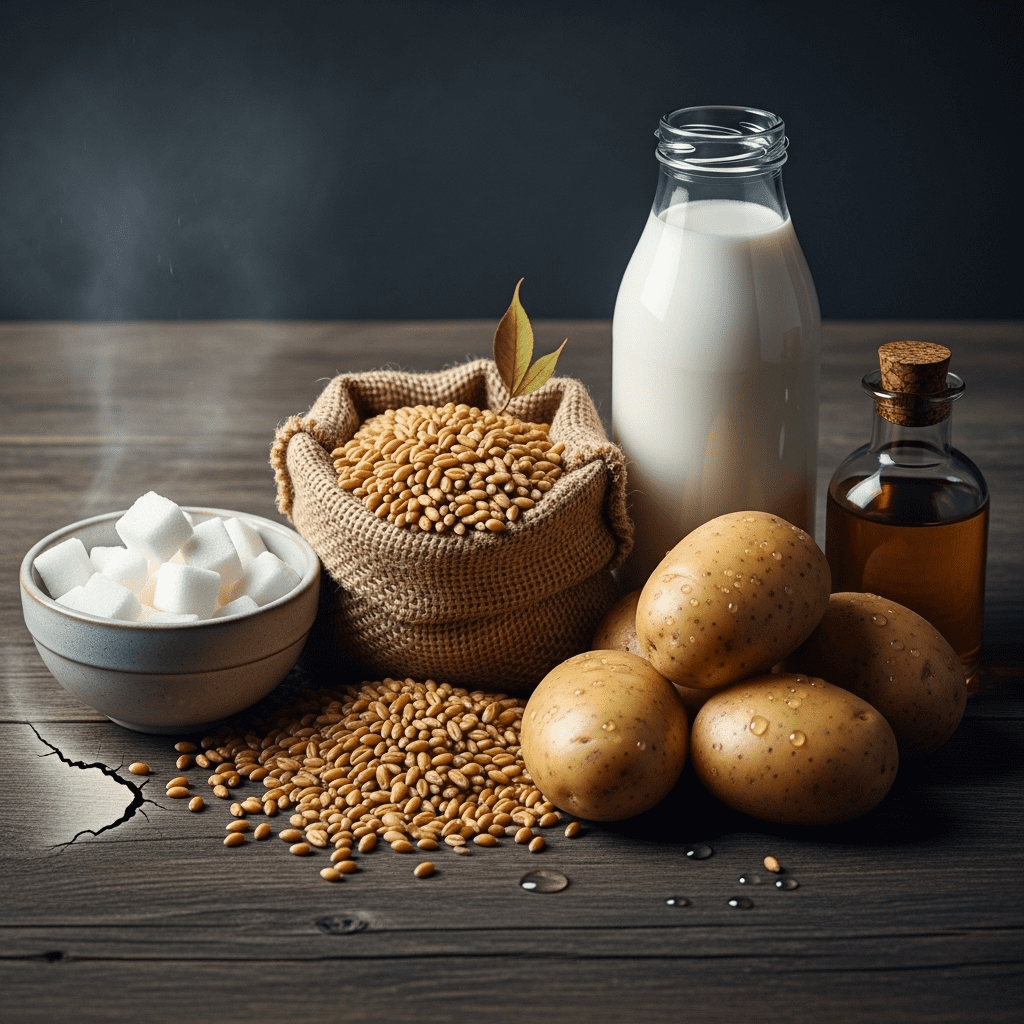
The five staples fuelling UK food inflation are increasingly coming under the spotlight as climate risks intensify across the globe. In 2025, a landmark study finds that supply chain disruptions, extreme weather, and shifting global demand are placing unusual pressure on key food commodities—amplifying grocery prices and creating fresh challenges for policy makers, investors, and UK households alike.
Five Staples Fuelling UK Food Inflation: What Are They and Why Do They Matter?
According to analysis by market economists and agricultural experts, the five staples fuelling UK food inflation include wheat, potatoes, sugar, dairy, and vegetable oil. Each of these essentials not only forms the backbone of British diets but also demonstrates the complex interplay between climate volatility and economic resiliency. Analysts at the London School of Economics and agricultural think tanks underscore how these staples are especially vulnerable to global supply shocks.
1. Wheat: The Foundation Facing Weather Extremes
Wheat is a central pillar in British food products from bread to breakfast cereals. In recent years, recurring droughts in Europe coupled with export restrictions from major grain-producing nations have sent wheat prices sharply higher. The latest reports suggest that the UK, which imports up to 40% of its wheat, is feeling the impact in higher shelf prices and rising input costs for local bakeries. Climatic uncertainty, amplified by El Niño cycles, further exacerbates the risk of future supply shocks—a trend monitored closely in commodity markets.
2. Potatoes: A British Staple Hit by Floods
No British table is complete without potatoes, yet excessive rainfall and waterlogging in the UK and neighbouring regions have slashed yields by over 15% in recent seasons. This decline, according to DEFRA data, is causing wholesale prices to spike, affecting not only the cost of fresh produce but also processed foods like frozen chips and crisps. Such volatility is pushing both producers and retailers to rethink their risk management strategies and focus on sustainable supply chains, as discussed in leading industry forums.
3. Sugar: Global Shortages and Export Bans
The sugar sector has been roiled by global supply disruptions—most notably drought-driven shortages in top exporters such as India and Brazil. With import costs jumping and the UK’s own sugar beet crops suffering from pests and unusual weather, sugar prices are at a 10-year high. This not only affects the price of sweets and beverages but also increases operational costs for the foodservice industry. Global food trends and changing health regulations add further complexity to future demand forecasts, a topic relevant to those seeking economic analysis.
4. Dairy: Pressures from Feed Costs and Heatwaves
Dairy prices in the UK are rising as a confluence of high animal feed costs, soaring energy prices, and prolonged summer heatwaves hit domestic production. With many UK dairy farmers struggling to absorb additional costs, prices for milk, cheese, and butter have climbed accordingly. Experts warn that the industry may see continued consolidation unless climate adaptation measures—such as more resilient feed crops and efficient cooling—become mainstream in coming years.
5. Vegetable Oil: A Global Market Facing Turbulence
Vegetable oil, a key ingredient in food manufacturing and home cooking, is subject to profound global volatility. Palm and sunflower oil supplies have been affected by war in Eastern Europe and sustainability-driven export bans in Southeast Asia. Prices for these oils have seen double-digit jumps, with the cost quickly feeding through to baked goods, ready meals, and the hospitality sector. The interconnectedness of vegetable oil markets highlights the urgent need for resilience in trading and procurement, a trend tracked by supply chain analysts.
Rising Climate Risks and the Outlook for UK Food Prices
The study finds that climate-driven events—from droughts in the global south to unprecedented floods across the British Isles—are no longer rare shocks but persistent features of the modern food economy. Food inflation in the UK reached 7.1% in early 2025, with these five staples accounting for the majority of the upward price pressure. The Bank of England and policymakers are wrestling with whether these price increases are temporary disruptions or signals of a more structurally inflationary era for food.
Investment and Policy Responses
Forward-looking investors are watching agricultural technology (AgTech) and climate-adaptive farming solutions as potential growth areas. Meanwhile, the UK government is reviewing long-term food security strategies, considering both import diversification and support for climate-resilient domestic agriculture. Analysts recommend greater transparency and real-time data sharing between producers, retailers, and consumers to better anticipate supply disruptions and mitigate future shocks.
Implications of Five Staples Fuelling UK Food Inflation
For households, the impact of sustained food inflation is acutely felt at the checkout, particularly among lower-income families. For businesses and investors, the challenge lies in navigating input cost volatility and supply chain fragility. The focus now shifts to innovative solutions—from vertical farming to better data analytics—to manage the risks and tap new opportunities in the evolving food ecosystem.
As climate risks escalate and the five staples fuelling UK food inflation remain in sharp focus, a collective effort from policy makers, agribusiness, and investors will determine how resilient the UK’s food system will be in the critical years ahead.